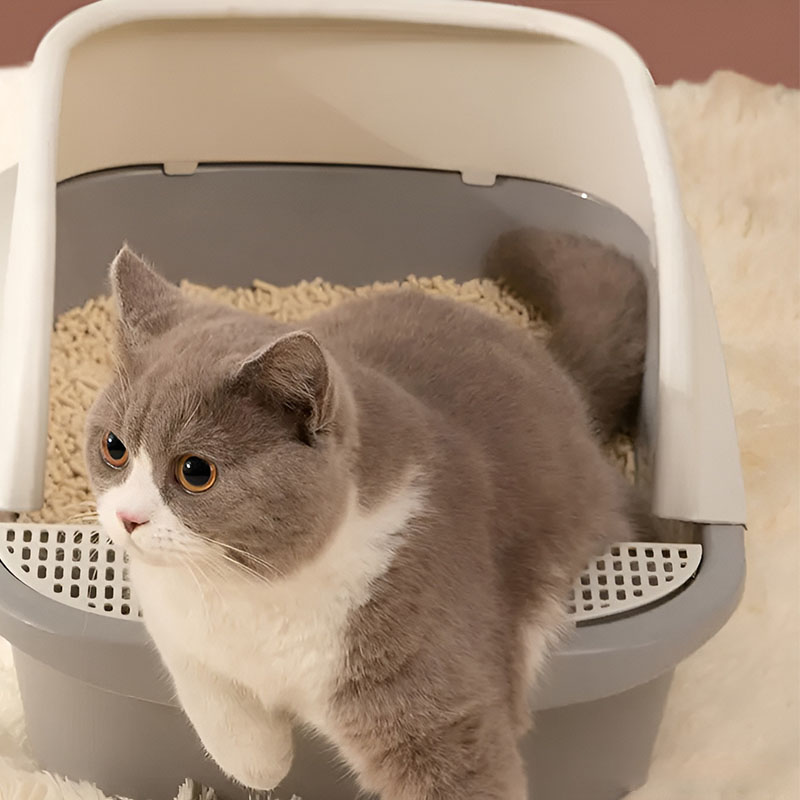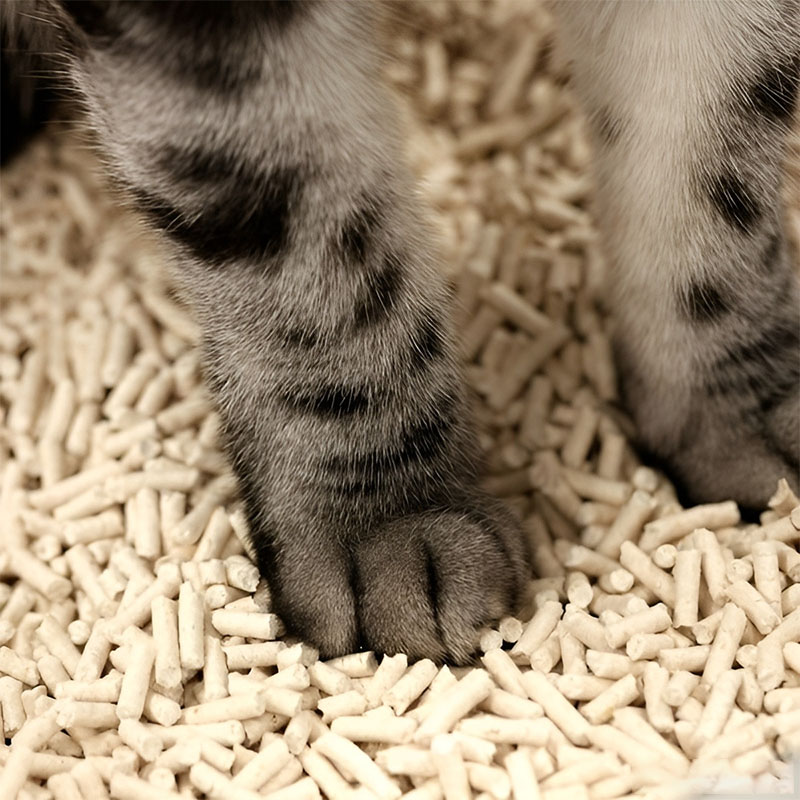
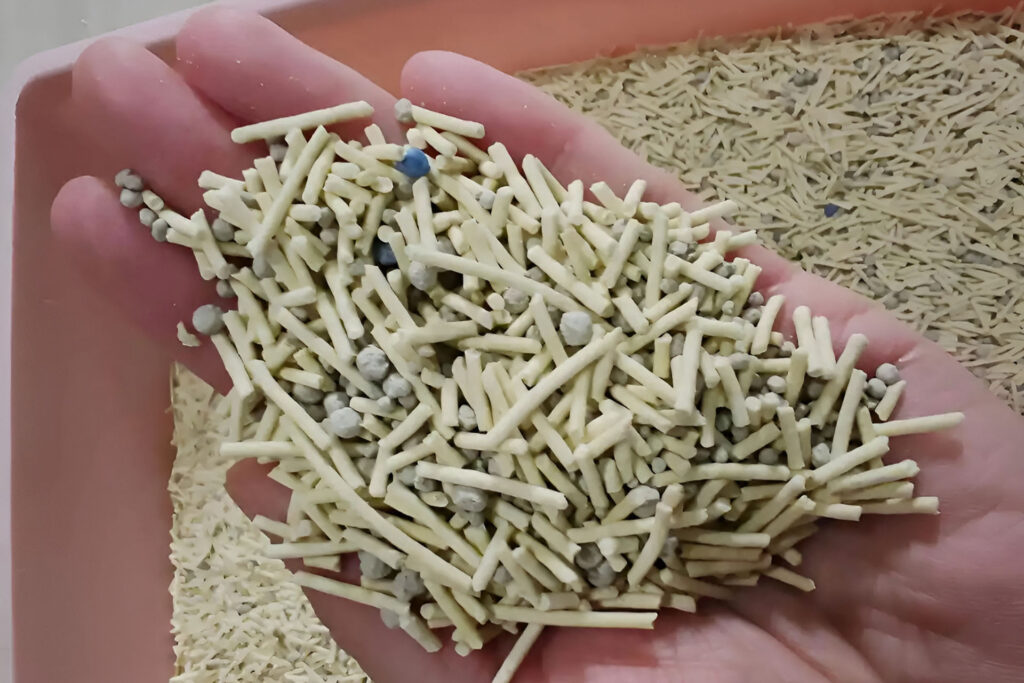
في الوقت الحاضر، تستخدم الغالبية العظمى من “أولياء أمور القطط” نوعًا واحدًا من رمل القطط، وهو ما يؤدي غالبًا إلى مشاكل مزعجة يصعب التوفيق بينها. فاستخدام البنتونيت النقي وحده ينتج عنه غبار كثيف، ولا يمكن التخلص منه في المرحاض، كما أنه يلتصق بسهولة بقاع صندوق الرمل في الأيام الرطبة. من ناحية أخرى، فإن استخدام فضلات القطط التوفو مما يؤدي إلى تكتل ناعم، يتفتت بسهولة في البيئات التي تضم عدة قطط ويترك آثارًا كثيرة. ولهذا السبب، أصبح مفهوم الرمل المختلط للقطط هو الخيار السائد لدى مالكي الحيوانات الأليفة في المنازل ومربي القطط المحترفين على حد سواء.
يُعد استخدام البنتونيت كأساس لتصنيع رمل القطط المخلوط عالي الجودة خيارًا يوفر أعلى درجات التكيف وأقوى الجوانب العملية. ومع ذلك، تنتشر حاليًا في السوق مجموعة متنوعة من نسب الخلط والفئات غير المعتمدة. فالنسب الخاطئة ستقضي مباشرةً على مزايا كلا المكونين، مما يؤدي إلى مشاكل مثل تفتت الكتل، ومضاعفة الغبار، وعودة الرائحة الكريهة، ورفض القطط استخدام صندوق الرمل تمامًا. ولذلك، فإن اختيار رمل القطط المخلوط المصنوع وفقًا لتركيبة علمية أمر بالغ الأهمية.
تعمل شركة «آيشا» منذ أكثر من 20 عامًا في مجال الإنتاج المزدوج لرمل المعادن المخصص للحيوانات الأليفة ورمل النباتات. يتميز مصنعنا بمساحة إنتاج متكاملة تبلغ 60,000 متر مربع، حيث تعمل خطوطنا المستقلة لتنقية الرمال المعدنية وتشكيل النباتات بشكل متزامن، مما ينتج عنه طاقة إنتاجية إجمالية سنوية تبلغ 500,000 طن.
لحل المشكلات التي تواجه السوق، قمنا بشكل مستقل بتطوير وتكييف جزيئات البنتونيت المعدلة خصيصًا والمصممة خصيصًا لتربة القطط المخلوطة. وتقوم شركة «آيشا» بتوريد هذه المكونات عالية الجودة للتجار عبر الحدود ومتاجر الحيوانات الأليفة التقليدية ومراكز رعاية القطط الكبيرة في جميع أنحاء العالم، مع تقديم خدمات ODM/OEM شاملة لتخصيص مختلف تركيبات وتركيبات تغليف تربة القطط المخلوطة.
استنادًا إلى تجارب محاكاة دقيقة أُجريت في ورش العمل والبيانات التجريبية المستمدة من بيئات التغذية المنزلية الفعلية، تشرح هذه الورقة بشكل محدد أنظمة رمل القطط المخلوط القائم على البنتونيت، وتركيبات الخلط المحظورة، والنسب الذهبية، وتفاصيل الصيانة. وقد تم التحقق من جميع بيانات الأداء ومنطق المطابقة من خلال قياسات فعلية دون أي تزييف. وهذا لا يحل فقط المشاكل الشائعة التي يواجهها مالكو القطط عند مزج الرمل، بل يضيف أيضًا نقطة بيع قوية ومميزة للتجار العاملين في مجال التجارة الخارجية الذين يسعون إلى الاستحواذ على سوق رمل القطط المخلوط.
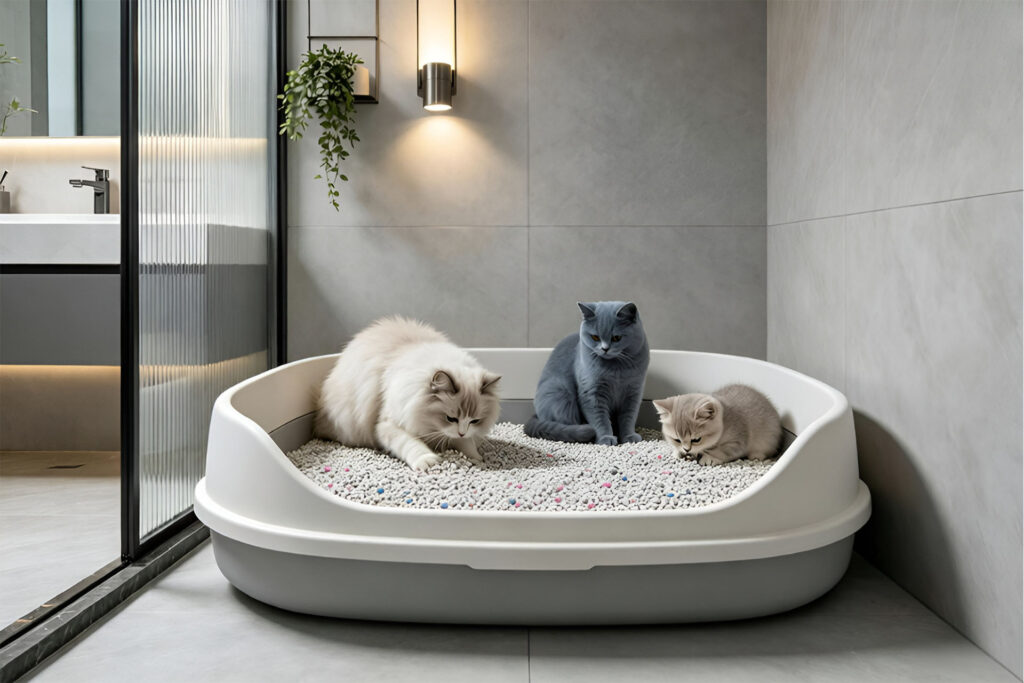
لماذا يُعد البنتونيت الخيار الأول كأساس لمزيج رمل القطط؟
هناك صيغتان رئيسيتان لخلط الرمل المتوفرتان في السوق: إما استخدام الرمل النباتي كأساس، أو استخدام البنتونيت المعدني كأساس. وبعد إجراء 100 اختبار تغذية صارم في مصنعنا، نوصي بشدة باستخدام البنتونيت كطبقة سفلية أساسية، بينما ننصح بعدم استخدام رمل التوفو كأساس.
إن المزايا الأساسية للبنتونيت عالي الجودة تجعله أساسًا لا غنى عنه في صناعة رمل القطط المخلوط عالي الأداء:
1. كثافة الوزن الذاتي عالية، كما أن الطبقة السفلية مُثبَّتة لمنع التسرب.
تعد كثافة جزيئات البنتونيت الصوديوم عالي الجودة أعلى بكثير من كثافة رمل فول الصويا النباتي، كما تتميز بقدرة عالية على التماسك عند نثرها على القاع. وبعد أن يتسرب البول عموديًا، يمكن احتجازه بإحكام في الماء وتصلبه على الفور، وذلك لمنع البول من التسرب مباشرةً إلى قاع الحوض والالتصاق به والتعفن من الجذور، وهو التأثير الأساسي الذي لا يمكن لرمل نباتي خفيف تحقيقه.
وتتجلى هذه الميزة بشكل خاص في المنازل التي تضم عدة قطط وتتعرض لفترات تبول متكررة. فالبنتونيت الصوديوم المنقى الذي ينتجه مصنعنا يتكتل بسرعة في غضون ثانية واحدة ليشكل كتلة شديدة المقاومة للضغط. وحتى عند مزجه مع طبقات علوية خفيفة الوزن في نظام رمل القطط المختلط، فإن كتل البول لن تتفتت.
2. تعمل المسام الطبيعية في الخام على منع الروائح الكريهة دون الإفراط في استخدام المواد الكيميائية
يتميز البنتونيت الصوديوم الطبيعي بمسام امتصاص بحجم الميكرون تعمل بشكل مستقل على تحلل الأمونيا والروائح الكريهة التي تنبعث من فضلات القطط. عند صياغة تركيبة رمل القطط المختلط، تلغي هذه الخاصية الطبيعية الحاجة إلى إضافة روائح كيميائية. كما أنها تتجنب التحفيز الشديد الناتج عن “الرائحة المزدوجة” للخلاصات النباتية والمعدنية التي قد تهيج جهاز الشم الحساس لدى القطط، مما يجعلها مثالية للقطط الحوامل أو تلك التي تعاني من التهاب الأنف.
في المقابل، لا يمكن استخدام البنتونيت العادي الذي يحتوي على الكالسيوم كأساس لرمل القطط المخلوط؛ حيث تؤدي مسامه المغلقة إلى مضاعفة معدل انتشار الرائحة بعد الخلط.
3. توافق تام مع معظم أنواع رمل الحيوانات الأليفة المتوفرة في السوق
تتميز جزيئات البنتونيت المستديرة، التي خضعت لعملية إزالة الغبار والتكوير الاحترافية، بمعامل احتكاك منخفض. فهي تمتزج بسلاسة مع رمل التوفو، ورمل الزيوليت، ورمل الصنوبر، وجزيئات الكربون المنشط دون التسبب في احتكاك متبادل أو تدهور الجزيئات. أما البنتونيت الرديء ذو الشكل الزاوي، فيحتك بالمكونات الأخرى، مما يؤدي إلى إثارة غبار كثيف والتسبب في “انفجار مسحوقي” — وهو السبب الرئيسي لفشل العديد من منتجات رمل القطط المخلوطة ذات الجودة الرديئة.
يخضع البنتونيت الذي ينتجه مصنعنا لثلاث جولات من الدرفلة وأربع مراحل من إزالة الغبار بالضغط السلبي، مما يجعله مُحسَّنًا خصيصًا لتصنيع رمل القطط المخلوط عالي الجودة.
4. يتوافق مع الغريزة الطبيعية للقط التي تدفعها إلى خدش الرمل بشكل لا إرادي
في البرية، تفضل القطط بطبيعتها الإحساس اللمسي للتربة والرمال المعدنية. وتحاكي قوام البنتونيت عالي الجودة التربة الطبيعية بشكل وثيق، حيث تبلغ نسبة قبول القطط له ما يصل إلى 98%. وباستخدام البنتونيت كأساس ووضع طبقة من الرمل المتخصص فوقه، فإن رمل القطط المخلوط الناتج يمنع رفض صندوق الرمل الناتج عن التوتر. وهو مناسب تمامًا للقطط الخجولة ويوفر انتقالًا سلسًا تمامًا عند تغيير الرمل.
تركيبة مختلطة (باستخدام البنتونيت كمادة أساسية، والنسبة الذهبية + التركيبة المناسبة).
تبلغ نسبة مزيج البنتونيت + رمل التوفو الأصلي المستخدم في الأساسات المنزلية العامة 6:4.
شرح مفصل للنسبة: يتم رصف الطبقة السفلية وضغطها باستخدام 6 أجزاء من البنتونيت الصوديوم، بينما يتم رصف الطبقة العلوية باستخدام 4 أجزاء من رمل التوفو الصالح للاستخدام الغذائي، وهي تتمتع بأعلى درجة من قابلية التكيف في الشبكة بأكملها.
المزايا الأساسية: يعمل منتج «55%» على معالجة عيوب نوعين من رمل القطط، وهما: قاع البنتونيت المقاوم للالتصاق والتكتل الشديد، ورمل التوفو الذي يقلل من الغبار الإجمالي، ويسمح بشطف كمية صغيرة في المرحاض، ويخفف من رائحة التربة. يتم تقليل الغبار الإجمالي بمقدار 55% مقارنةً بالبنتونيت النقي، وتزداد صلابة التكتل بمقدار 40% مقارنةً برمل التوفو النقي، مع مراعاة النظافة والراحة واللياقة البدنية للقطط.
الجمهور المناسب: أسرة لديها قطة واحدة، القطة في غرفة النوم، شقة صغيرة مزودة بتهوية، مبتدئ يحاول خلط الرمل للمرة الأولى؛;
القواعد التفصيلية للاستخدام: لا يجوز التخلص من سوى كميات صغيرة من البول في المرحاض، ويُحظر سحب المياه عندما تتكتل الكتلة الكاملة من البول؛ ومن الأفضل خلط النوعين الخاليين من العطور، لتجنب اختلاط رائحة الفواكه مع رائحة التربة.
يُمنع منعًا باتًا: الأخطاء الأربعة الرئيسية مختلطة ومتداخلة (إصابة القط + كابوس التنظيف)
بناءً على تعليقات ما بعد البيع الواردة من مصنعنا، فإن 80% من حالات فشل تجربة المستخدمين مع رمل القطط المختلط ترجع إلى خيارات المزج الخاطئة. يُحظر تمامًا استخدام التركيبات التالية عند تحضير قاعدة رمل القطط المختلط باستخدام البنتونيت، ويحذر خبراء التصنيع لدينا بشدة من استخدامها:
1. يُحظر خلط البنتونيت مع نشارة الصنوبر
تتفكك فضلات الصنوبر إلى مسحوق خشبي عند ملامستها للبول. ويغطي هذا المسحوق الخشبي الناعم جزيئات البنتونيت، مما يعيق بشكل مباشر وظائف امتصاص الماء والتكتل التي تتمتع بها القاعدة المعدنية. ونتيجة لذلك، يتسرب البول مباشرة إلى قاع الصينية، مما يفسد الدفعة الكاملة من رمل القطط المخلوط. علاوة على ذلك، يؤدي مزيج غبار الخشب والمسحوق المعدني إلى مضاعفة الحجم الإجمالي للغبار، مما يلوث بيئة منزلك.
2. يُحظر خلط رمل البنتونيت ذي الرائحة القوية مع رمل التوفو المعطر
إن المزج بين الرمال المعدنية المعطرة برائحة التراب أو بودرة الأطفال أو اللافندر، والرمال النباتية المعطرة برائحة الخوخ أو اللافندر، يؤدي إلى تضارب شديد بين العديد من العطور الاصطناعية. وغالبًا ما تتسبب هذه الرائحة النفاذة والقوية في إصابة القطط — ولا سيما القطط الحوامل والصغار — برفض استخدام صندوق الفضلات، مما يؤدي إلى التبول في أماكن غير ملائمة في أنحاء المنزل. يجب أن تعطي رمل القطط المخلوط الناجح الأولوية للتحكم الطبيعي في الرائحة على الروائح المتنافسة.
3. تجنب خلط ومزج البنتونيت ذي السعر المنخفض والمصنوع من الكالسيوم
تنتج البنتونيت منخفضة التكلفة والقائمة على الكالسيوم غبارًا مفرطًا بطبيعتها، وتتحول إلى حمأة لينة وطرية عند البلل. وبغض النظر عن نوع رمل القطط الذي تخلطه معها، فإن هذه القاعدة الرديئة ستكوّن عجينة طينية في قاع الصندوق، مما يزيد بشكل كبير من عبء التنظيف. ويُحظر تمامًا استخدام هذه المادة ذات الجودة الصناعية في خلط رمل القطط المختلط المخصص للاستخدام المنزلي. يختار مصنعنا حصريًّا خامًا عالي النقاء قائمًا على الصوديوم لجميع خطوطنا المتخصصة في خلط الرمل، وذلك للقضاء على مشكلة القاع اللزج من مصدرها.
4. يُحظر خلط البنتونيت مع الفراش الرغوي القابل للذوبان في الماء
الفرق في الكثافة بين هاتين المادتين كبير للغاية، مما يتسبب في حدوث طبقات وفصل شديدين داخل صندوق الفضلات. ونظرًا لأن آليات امتصاص الماء الخاصة بهما غير متوافقة جوهريًّا، فإن الجمع بينهما يفشل تمامًا في تحقيق فوائد رمل القطط المختلط المناسب. هذا المزيج هو حيلة غير فعالة تنتشر بسرعة على الإنترنت ولا تقدم أي أداء عملي على الإطلاق.
أكثر حالات سوء الفهم شيوعًا بشأن مزج البنتونيت: 90% من مربي القطط يفعلون ذلك بطريقة خاطئة
عند التعامل مع رمل القطط المخلوط الذي يحتوي على البنتونيت، فإن تجنب الأخطاء الشائعة في العناية به لا يقل أهمية عن اختيار النسبة الصحيحة. وفيما يلي أربعة مفاهيم خاطئة شائعة تؤدي إلى إضعاف أداء صندوق رمل القطط:
1. كلما كانت رمل القطط المخلوط أكثر سمكًا، كان ذلك أفضل
الحقيقة: يجب ألا يتجاوز العمق الأقصى لرمل القطط المختلط في المنازل التي تضم عدة قطط 10 سم أبدًا. فإذا كانت طبقة الرمل سميكة جدًّا، فإن قيام القطط بالحفر وتقليب الرمل بعمق سيؤدي إلى إحضار جزيئات معدنية رطبة ومشبعة بالبول من القاع إلى السطح. ويؤدي هذا التعرض إلى تسريع عملية التحلل والتلف في صندوق الرمل بأكمله. بالنسبة للاستخدام العادي، فإن عمق 7 سم لقط واحد و8 سم لعدة قطط يكفي تمامًا.
2. وضع طبقة عشوائية من رمل القطط المخلوط الجديد فوق الرمل القديم
الحقيقة: بمجرد أن تصبح قاعدة البنتونيت القديمة مشبعة بالرطوبة المحيطة، لا تقم ببساطة بصب رمل القطط الجديد فوقها. فجزيئات المعدن المشبعة تفقد قدرتها الفعالة على الامتصاص؛ ووضع طبقة من المادة الجديدة فوقها لن يؤدي إلا إلى إتلاف المواد الاستهلاكية الجديدة. والطريقة الصحيحة هي غربلة أي جزيئات متحللة أو رطبة بشكل دقيق كل أسبوع قبل إعادة ملء الصندوق برمل القطط المخلوط الجديد.
3. الاعتقاد بأن رمل القطط المختلط لا يحتاج أبدًا إلى تغيير كامل للمغسلة
الحقيقة: نظرًا لأن رمل القطط المخلوط يتألف من مواد معقدة، فإن مكوناته النباتية معرضة لتكوّن العفن، في حين أن مكوناته المعدنية تمتص الرطوبة باستمرار. لا يمكنك الاعتماد على دورة دائمة تقتصر على مجرد إضافة المزيد من الرمل إلى الصندوق. بل يجب تفريغ الحوض بالكامل وتنظيفه واستبداله كل 25 يومًا في البيئات الجافة، وكل 18 يومًا في البيئات الرطبة.
4. تجريف محتويات الصندوق وتقليبها بقوة
الحقيقة: تكون بنية الجسيمات السائبة في رمل القطط المخلوط أقل كثافة بطبيعتها مقارنةً بالرمل المعدني النقي. إن التجريف أو التقليب بقوة مفرطة سيؤدي إلى تفتيت كتل البول المتصلبة. وستنتشر هذه الشظايا الدقيقة المكسورة في جميع أنحاء الصينية، مما يؤدي إلى تلوث الرمل النظيف. عند التجريف، ارفع الكتل المتصلبة برفق دون تقليب الرمل الأساسي الموجود أسفلها بشكل مزعج.
يمكن أن تسهم أساليب الصيانة والتخزين الخاصة بالرمل المختلط في إطالة العمر التشغيلي للحوض بأكمله
إن اتباع أساليب التخزين والصيانة الصحيحة لرمل القطط المختلط سيؤدي إلى زيادة عمره الافتراضي وكفاءته بشكل كبير:
1. التخزين في أماكن منفصلة قبل الاستخدام
تتميز معادن البنتونيت بقدرة عالية على امتصاص الرطوبة، وتستوعب الرطوبة المحيطة بسهولة. لذلك، يجب تعبئة المكونات الاحتياطية لمزيج رمل القطط وتخزينها بشكل منفصل قبل الاستخدام — احرص على رفع المكونات المعدنية عن الأرض وتخزين المكونات النباتية في مكان مظلم ومحكم الإغلاق. إذا تم خلط المزيج مسبقًا قبل موعده بوقت طويل وفي ظروف غير مناسبة، فسوف تمتص المادة الرطوبة مبكرًا وتفقد فعاليتها. للحصول على أفضل النتائج، قم بالخلط في الموقع مباشرةً قبل ملء الحوض.
2. ضبط النسبة بدقة خلال مواسم الأمطار
خلال مواسم الأمطار الرطبة، قم بزيادة نسبة البنتونيت في خليط رمل القطط بنسبة 10%. يعزز هذا التعديل قدرات القاعدة المعدنية على مقاومة الرطوبة واحتجاز الماء، مما يقلل بشكل فعال من خطر تليين الخليط أو التصاقه بجدران الحوض.
3. استخدمه مع صندوق رمل مقاوم للرذاذ
نظرًا لتباين أحجام الجسيمات الموجودة في رمل القطط المخلوط، فإن الخدش القوي من جانب القطة قد يؤدي بسهولة إلى تناثرها في الأرجاء. يُوصى بشدة باستخدام صندوق رمل طويل جدًّا ومغلق تمامًا لمنع تناثر الجسيمات خارج الصندوق، مما يقلل من عبء التنظيف المنزلي.
4. الاعتماد على طرق التعقيم الآمنة
لا تقم أبدًا برش المطهرات السائلة مباشرةً على رمل القطط المخلوط، لأن ذلك يدمر البنية المعدنية للبنتونيت ويؤدي إلى تكتل مبكر ودائم. بدلاً من ذلك، اغسل صندوق الرمل الفارغ جيدًا بالماء الساخن كل شهر، ثم جففه وعقمه تحت أشعة الشمس. هذه الطريقة آمنة تمامًا ولن تضر بسلامة الرمل.
في سوق الحيوانات الأليفة العالمي، تعاني منتجات رمل القطط أحادية الفئة من منافسة سعرية شديدة. في المقابل، تحقق المنتجات النهائية المخلوطة مسبقًا بشكل احترافي سعرًا أعلى وتتمتع بمعدلات إعادة شراء أقوى من جانب العملاء. يدعم مصنعنا عمليات الخلط المسبق الكاملة والتخصيص، مما ينتج عنه رمل قطط مخلوط جاهز للاستخدام ومثالي لمتاجر التجزئة عبر الحدود ومتاجر الحيوانات الأليفة، دون الحاجة إلى قيام التجار بخلط المكونات بأنفسهم.
1. تخصيص الصيغة الإقليمية
- أسواق جنوب شرق آسيا: بالنسبة للبلدان التي تتميز بارتفاع نسبة الرطوبة، نقوم بزيادة نسبة البنتونيت الصوديوم في رمل القطط المختلط لتعزيز مقاومة الرطوبة وتحقيق أقصى قدر من منع الروائح.
- الأسواق الأوروبية والأمريكية: استنادًا إلى تفضيلات مربي الحيوانات الأليفة في الغرب، نقوم بتخصيص تركيبات جاهزة ذات رائحة خفيفة أو بنكهة أصلية تتوافق تمامًا مع عادات التربية المحلية.
2. تخصيص تصنيف الحبيبات
نقوم بتخصيص مواد خام متخصصة ذات حبيبات دقيقة ومستديرة لخطوط إنتاج رمل القطط المخلوط الخاص بكم. ومن خلال توحيد معايير إزالة الغبار من كل دفعة وتحسين معايير التكتل، يصبح معدل إرجاع المنتج النهائي بعد البيع أقل بكثير من معدل إرجاع الخلطات غير المعيارية المتوفرة في الأسواق.
3. دعم التسويق والتمكين التعليمي
تتضمن كل شحنة بالجملة مواد تثقيفية مجانية حول رمل القطط المختلط، ودروس إرشادية للمستخدمين، وأدلة مصورة لتجنب الأخطاء الشائعة. ويساعد ذلك الشركات على بناء فئة منتجات تتميز بدرجة عالية من التميز، وتمييز نفسها عن أنواع رمل القطط القياسية الموجودة في السوق والتي تعتمد على البنتونيت وحده أو التوفو، فضلاً عن تحسين هوامش ربح المتاجر بشكل كبير.
4. استقرار لا مثيل له في سلسلة التوريد
تعمل خطوطنا المستقلة لتنقية المعادن وتشكيل المنتجات بشكل متزامن، مما يضمن أن إنتاجنا من رمل القطط المخلوط لا يتأثر أبدًا بنقص أي مادة خام. ونقوم بالتسليم مباشرةً من المخزون على مدار العام، ونقدم خدمات التعبئة المخصصة للحاويات الكاملة، وطباعة شعار العلامة التجارية الخاصة، وتنفيذ عمليات التصنيع حسب الطلب (OEM) بشكل سلس وشامل من مصدر واحد.
الأسئلة الشائعة
هل يعد خلط الرمل أكثر اقتصادية من استخدام رمل القطط وحده؟
الاستخدام على المدى الطويل أكثر اقتصادية. يتآكل البنتونيت النقي بسرعة، كما أن الحوض بأكمله يسهل أن يلتصق بالقاع ويصبح غير صالح للاستخدام، كما أن الفاقد اليومي من رمل التوفو النقي كبير؛ أما الرمل المخلوط بطريقة علمية، فيراعي متانة ونظافة الحوض، ويقلل من تكرار تجديد الرمل، ويخفض الاستهلاك الشهري للمواد الاستهلاكية بنحو 25%، ويتميز بأداء أفضل من حيث التكلفة.
هل يمكن للقطط الصغيرة خلط الرمل مع البنتونيت؟
بالنسبة للقطط التي تتراوح أعمارها بين 2 و6 أشهر، يُنصح باستخدام خليط من البنتونيت والتوفو الأصلي بنسبة 6:4 فقط، ويُحظر استخدام خليط من الخلاصة والزيوليت. قد تقوم القطط الصغيرة باستقلاب كمية صغيرة من الرمل النباتي عن طريق الخطأ، ويصعب التخلص من جزيئات المعادن عن طريق الخطأ. من الضروري قص أظافر مخالب القطط الصغيرة في الوقت المناسب لتقليل سلوك كشط الرمل وقضمه.
ما السبب وراء تكتل الرمل المختلط وتفتته؟
هناك سببان أساسيان. أولًا، تبلغ نسبة البنتونيت أقل من 50%، ولا تكفي القاعدة لاحتجاز الماء. ثانياً، يتم اختيار البنتونيت ذي الأساس الكالسيوم المنخفض السعر، والذي يتميز بقدرة تكتل ضعيفة. ويمكن حل هذه المشكلة عن طريق استبداله في مصنعنا بالبنتونيت ذي الأساس الصوديوم عالي النقاء وتعديل النسبة.
في المنزل، تفضل إحدى القطط الرمل المعدني، بينما تفضل الأخرى الرمل النباتي. هل من المناسب مزجهما معًا؟
إنه يتمتع بقدرة عالية على التكيف. فصندوق واحد من الرمل المختلط يلبي التفضيلات المختلفة لكلتا القطتين فيما يتعلق بملمس رمل المرحاض. ولا داعي لوضع صندوقين منفصلين، مما يوفر مساحة في المنزل ويُعد أيضًا الحل الأمثل للعائلات التي تضم قططًا ذات تفضيلات متنوعة.
 Arabic
  English
  Spanish
  Russian
  Japanese