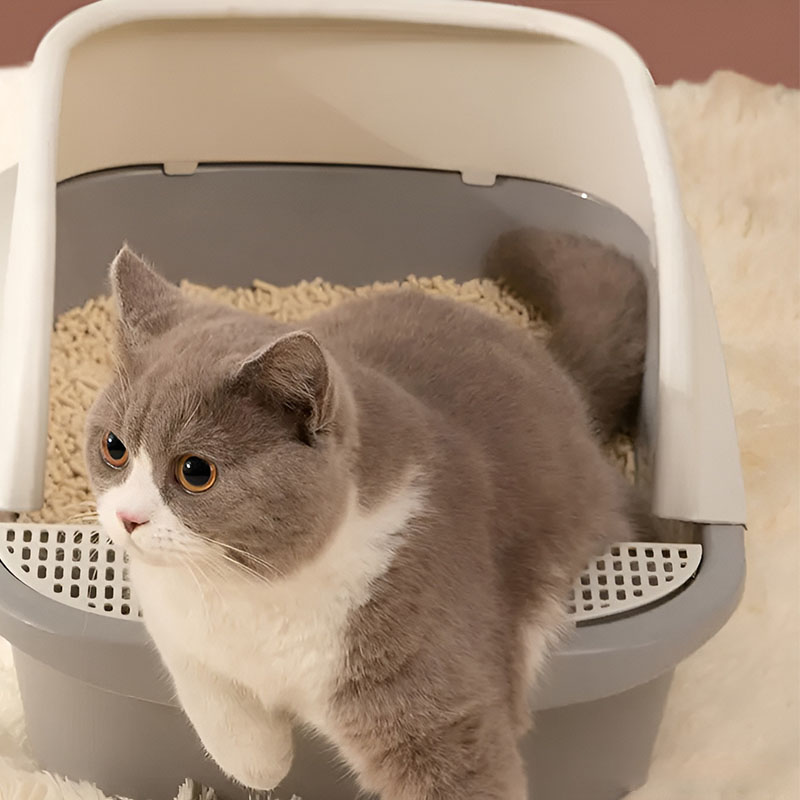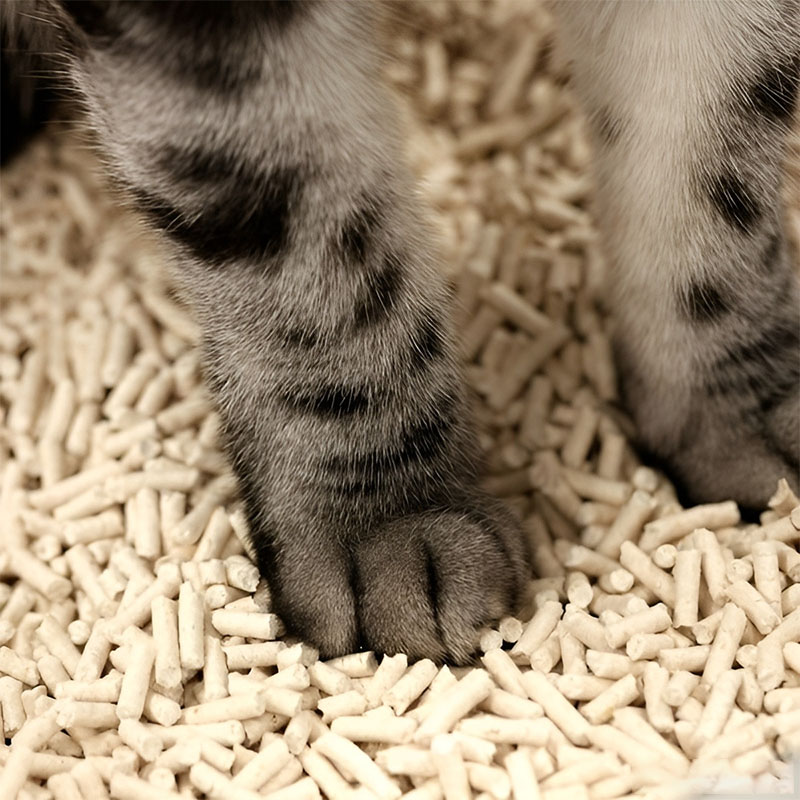
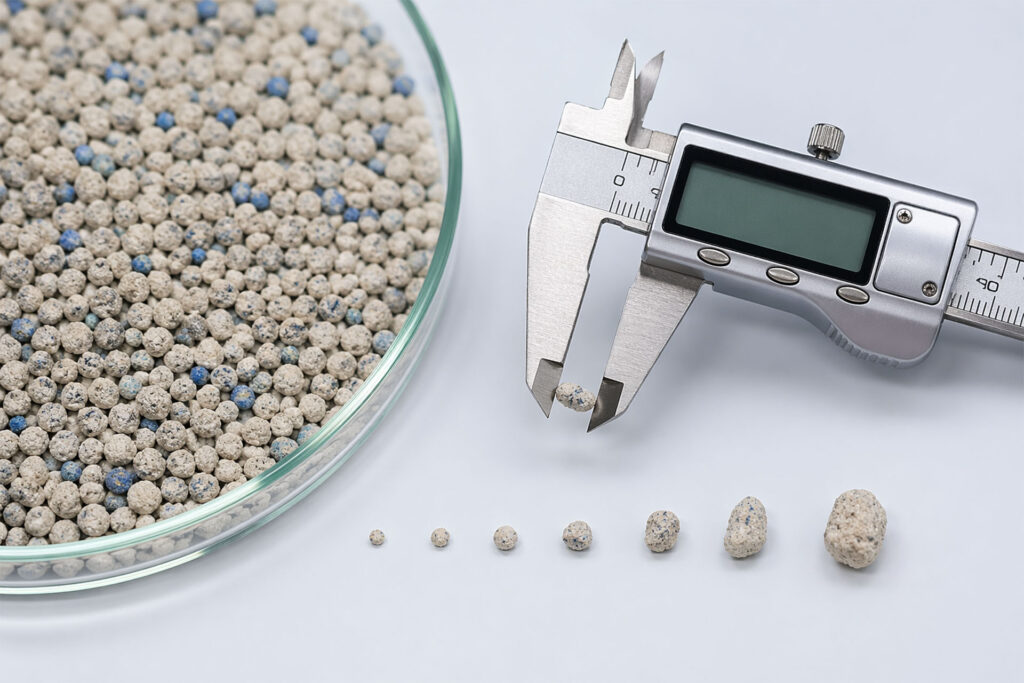
تُعد رمال القطط (أو الفضلات المخصصة لها) من المستلزمات اليومية الضرورية؛ إذ يؤثر حجم حبيباتها بشكل مباشر على راحة قطتك وصحتها، فضلاً عن سهولة التنظيف بالنسبة لك—وهو عامل بالغ الأهمية ولكنه غالباً ما يُغفل عند الاختيار. وتختلف أحجام الحبيبات اختلافاً كبيراً من حيث الملمس، والقدرة على التكتل، والتحكم في الروائح، ومدى تناثرها خارج الصندوق، ومدى ملاءمتها الصحية. لذا، فإن اختيار الحجم المناسب يشجع قطتك على استخدام صندوق الفضلات بانتظام، ويقلل من الحوادث غير المرغوب فيها (مثل التبول خارج الصندوق)، ويسهّل عملية التنظيف، مع الحفاظ في الوقت ذاته على صحة الجهاز التنفسي والمخالب والجهاز الهضمي لدى قطتك. يستعرض هذا الدليل كل ما تحتاج إلى معرفته حول أحجام حبيبات رمال القطط، ويساعدك على اختيار النوع المناسب واستخدامه بالشكل الصحيح.
أنواع فضلات القطط: الأحجام والميزات الرئيسية
تُصنَّف فضلات القطط إلى ثلاثة أحجام رئيسية بناءً على القطر: دقيقة (1–2 مم)، ومتوسطة (2–3 مم)، وخشنة (3 مم فما فوق)؛ ولكل منها خصائص تناسب قططاً ومنازل مختلفة.
1. حبيبات دقيقة (1–2 مم)
الأنواع الشائعة: البنتونيت الناعم، وفضلات التوفو فائقة النعومة.
- ملمس ناعم وطبيعي يشبه الرمل، يلائم غريزة الحفر الفطرية لدى القطط.
- فراغات ضيقة = قدرة فائقة على الامتصاص وتكتل سريع ومتماسك؛ وتحكم فعّال في الروائح.
- لطيف على المخالب وخالٍ من الحواف الحادة؛ مما يجعله مثالياً للقطط ذات المخالب الحساسة.
- السلبيات: خفيف الوزن وصغير الحجم، مما يجعله ينتشر بسهولة خارج الصندوق. كما أن الرمال الدقيقة منخفضة الجودة قد تكون مُثيرة للغبار وتسبب تهيجاً لرئتي قطتك.
2. حبيبات متوسطة الحجم (2–3 مم)
الأنواع المعتادة: قياسي فضلات التوفو، فضلات مختلطة، بنتونيت متوسط الحبيبات.
- المقاس الأكثر شيوعاً وملاءمةً لمختلف الاستخدامات.
- مريح عند المشي عليه أو الحفر فيه؛ وتتقبله معظم القطط بسهولة.
- توازن بين سرعة التكتل وقوته، والتصاق أقل بقاع الصندوق، وتحكم مستقر في الروائح.
- قليل الغبار، ولطيف على الجهاز التنفسي.
- ينتشر خارج الصندوق بدرجة معتدلة؛ ويسهل التحكم فيه باستخدام حصيرة مخصصة لصندوق الفضلات.
- الخيار الأمثل لـ: معظم القطط البالغة والمنازل التي تضم أكثر من قطة؛ ومثالي لمن يقتنون قطة لأول مرة.
3. حبيبات خشنة (3 مم فما فوق)
الأنواع الشائعة: نفايات الكريستال، فرشة من خشب الصنوبر، حبيبات معدنية كبيرة.
- ثقيلة وكبيرة الحجم؛ تكاد لا تلتصق بالأقدام أو تتناثر خارج المكان، كما أنها سهلة التنظيف للغاية.
- فراغات واسعة = تهوية وجفاف وتقليل لنمو البكتيريا؛ خيار ممتاز للكلاب التي تحب الحفر بكثافة.
- تُعد فضلات الصنوبر والكرستال فعالة في السيطرة على الروائح وتدوم لفترة أطول.
- السلبيات: قاسية وحادة أحياناً؛ وتسبب عدم الراحة للقطط الصغيرة أو المسنة أو التي تعاني من آلام المفاصل. قد تعلق بمخالب القطط. كما أن بعض الأنواع لا تتكتل وتتطلب استبدالاً كاملاً، مما يزيد من التكلفة.
كيف يؤثر حجم حبيبات فضلات القطط على قطتك
1. الراحة وتقبُّل صندوق الفضلات
يهتم كثيراً بملمس السطح تحت المخالب.
- حبيبات دقيقة: ناعمة، ومفضلة لدى القطط الصغيرة والمسنة والحساسة.
- حبيبات متوسطة الحجم: مقبولة على نطاق واسع.
- الحبيبات الخشنة: قاسية وغير مريحة؛ قد تدفع القطط إلى تجنب الصندوق، أو حبس البول، أو التبول خارجه. كما أن حبس البول لفترات طويلة قد يؤدي إلى مشاكل في المسالك البولية.
2. صحة الجهاز التنفسي ومخالب القدم
- فرشة دقيقة (منخفضة الجودة): تثير الغبار وتسبب العطس أو السعال أو تهيجاً طويل الأمد للرئتين.
- رمل فضلات متوسط الحبيبات: قليل الغبار وآمن للجهاز التنفسي.
- الفرشة الخشنة: لا تُصدر غباراً، لكن حوافها الحادة قد تخدش وسائد المخالب، أو تسبب عدوى، أو تعلق بين الأصابع.
3. التكتل والرائحة والنظافة
- حبيبات دقيقة: تغليف محكم للفضلات، امتصاص سريع، وأفضل حجز للروائح.
- حبيبات متوسطة الحجم: تكتل ثابت وتحكم في الروائح.
- حبيبات خشنة: فراغات كبيرة، قد يصل البول إلى القاع، وتنتشر الروائح بسهولة أكبر.
4. جهد وتكلفة التنظيف
- حبيبات دقيقة: تتناثر بكثرة، تتطلب كنسًا متكررًا، وتُستهلك بسرعة أكبر.
- حبيبات متوسطة الحجم: تسبب تناثراً قليلاً، سهلة التنظيف الموضعي، وتوفر قيمة جيدة.
- الحبيبات الخشنة: لا تترك أثراً تقريباً، مما يوفر وقت التنظيف؛ بعضها يحتاج إلى تغيير كامل، لذا فهي ليست دائماً أرخص.
كيفية اختيار واستخدام رمل القطط بشكل صحيح
اختر حجم الحبيبات المناسب لقطتك
- القطط الصغيرة (1–6 أشهر): اختر حبيبات دقيقة لفضلات القطط بحجم 1.5–2 مم؛ ويفضل أن تكون مستديرة وقابلة للأكل ومصنوعة من مواد نباتية. تجنب الأنواع الصلبة والخشنة التي قد تؤذي الفم أو الأمعاء.
- القطط البالغة: حبيبات فضلات القطط متوسطة الحجم (2–3 مم) – الخيار الأفضل والأكثر توازناً.
- القطط المسنة / القطط التي تعاني من آلام المفاصل: حبيبات فضلات القطط بمقاس يتراوح بين 1.5 و2.5 مم (ناعمة إلى متوسطة) لتوفير ملمس ناعم؛ استخدِم صندوق فضلات بمدخل منخفض.
- أقدام حساسة / مشاكل تنفسية: تجنب فضلات القطط الخشنة أو تلك التي تنتج غباراً ناعماً؛ واختر فضلات متوسطة الحبيبات وقليلة الغبار.
- حيوانات تحفر بشدة / منازل تضم قططاً متعددة: مزيج متوسط إلى خشن القوام لمقاومة التناثر والانغراس.
نصائح الاستخدام
- عمق:
ناعم: 5–8 سم
متوسط: 5–7 سم
خشن: 3–5 سم
- نظّف يومياً: أزِل المواد الصلبة والتكتلات كل يوم.
الكمية المناسبة: أضف المزيد كل 3-5 أيام؛ واستبدل المحلول بالكامل كل أسبوع أو أسبوعين.
متوسط / خشن: تغيير كامل كل 7–10 أيام. - يُحفظ محكم الإغلاق في مكان جاف وجيد التهوية لتجنب الرطوبة أو التفتت.
- انتقل تدريجياً: اخلط الفضلات الجديدة والقديمة بنسب 7:3 ثم 5:5 ثم 2:8 على مدار 7 إلى 10 أيام لتجنب التوتر.
- استخدم بساط الفضلات للحبيبات الدقيقة؛ قم بقص فرو إصبع القدم للتخلص من القمامة الخشنة لتقليل التتبع والحبيبات العالقة.
الأسئلة الشائعة
استخدم بساط الفضلات للحبيبات الدقيقة؛ قم بقص فرو إصبع القدم للتخلص من القمامة الخشنة لتقليل التتبع والحبيبات العالقة.
لا. الرمل الناعم ناعم ويتكتل جيدًا، لكنه يتناثر أكثر وقد يكون مُغبرًا. وهو الأنسب للقطط الصغيرة والقطط الحساسة فقط. أما معظم القطط البالغة والقطط التي تعيش في منازل بها أكثر من قطة، فيُفضل استخدام الرمل متوسط الحبيبات.
هل يمكن لفضلات القطط الخشنة أن تؤذي مخالب قطتي؟
يتميز فضلات القطط الخشنة عالية الجودة بحبيبات مستديرة وآمنة، بينما قد تتسبب الأنواع منخفضة الجودة ذات الحواف الحادة في خدش مخالب القطط؛ لذا ينبغي تجنب استخدامها للقطط الصغيرة والمسنة.
هل يمكنني خلط حبيبات بأحجام مختلفة؟
نعم.
حبيبات دقيقة ومتوسطة: راحة أفضل وتناثر أقل للقطط الحساسة.
حبيبات متوسطة + خشنة: خيار أفضل للقطط التي تحب الحفر، حيث تحقق توازناً بين القدرة على التكتل والمتانة.
اخلط جيداً حتى يتجانس الخليط دون تكتلات.
تكره قطتي حجماً معيناً من فضلات القطط (الرمل). ماذا عليّ أن أفعل الآن؟
توقف عن استخدامه. عُد إلى الحجم الذي يفضله قطك أو قم بالانتقال تدريجياً. تأكد أيضاً من نظافة الصندوق وعمق طبقة الرمل.
كيف أعرف ما إذا كان المقاس مناسباً لقطتي؟
راقب قطتك: سهولة الدخول، والحفر المعتاد، وعدم نفض المخالب أو العرج = المقاس مناسب. أما الرفض، أو نفض المخالب، أو وقوع حوادث (تبول أو تبرز خارج الصندوق) = المقاس غير مناسب؛ لذا قم بتغييره.
 Arabic
  English
  Spanish
  Russian
  Japanese