خلال عملية تربية القطط على المدى الطويل، تُعد رمل القطط من المواد الاستهلاكية المستمرة وجزءًا ثابتًا من تكاليف التربية. ويميل معظم مالكي القطط إلى التركيز على اختيار رمل قطط عالي الجودة لكنهم يهملون المهام الإدارية الأساسية مثل صيانة رمل القطط بعد الاستخدام، ووضعه، وتنظيفه، وتخزينه. وقد يؤدي الاستخدام غير السليم إلى تسريع شيخوخة رمل القطط وتدهور حالته، مما يتسبب في هدر غير ضروري. وحتى لو اشتريت رمل قطط عالي الجودة، فقد لا يؤدي الغرض منه كما هو متوقع دون العناية المناسبة.
يمكن لطرق صيانة رمل القطط العلمية والمعقولة أن تبطئ بشكل فعال من تدهور حالة رمل القطط، وتحافظ عليه جافًا ونظيفًا، وتطيل الفترة الفاصلة بين عمليات تغيير الرمل عند امتلاء الصندوق. وهذا من شأنه أن يقلل من تكلفة المواد الاستهلاكية دون المساس بتجربة تربية القطط. سواء كان ذلك في منزل عادي أو في مكان يكثر فيه عدد القطط، فإن اتباع عملية صيانة موحدة أمر بالغ الأهمية للتحكم في التكاليف والحفاظ على بيئة نظيفة. كما أن الشركات الكبرى المصنعة لرمل القطط عادةً ما تدرج اقتراحات الصيانة في وصف منتجاتها. ويمكن أن يؤدي اتباع هذه الإرشادات الرسمية إلى تعظيم أداء رمل القطط ليكون كما كان عند خروجه من المصنع، وتحسين تجربة الاستخدام بشكل عام.
1. وضع رمل القطط بالطريقة الصحيحة
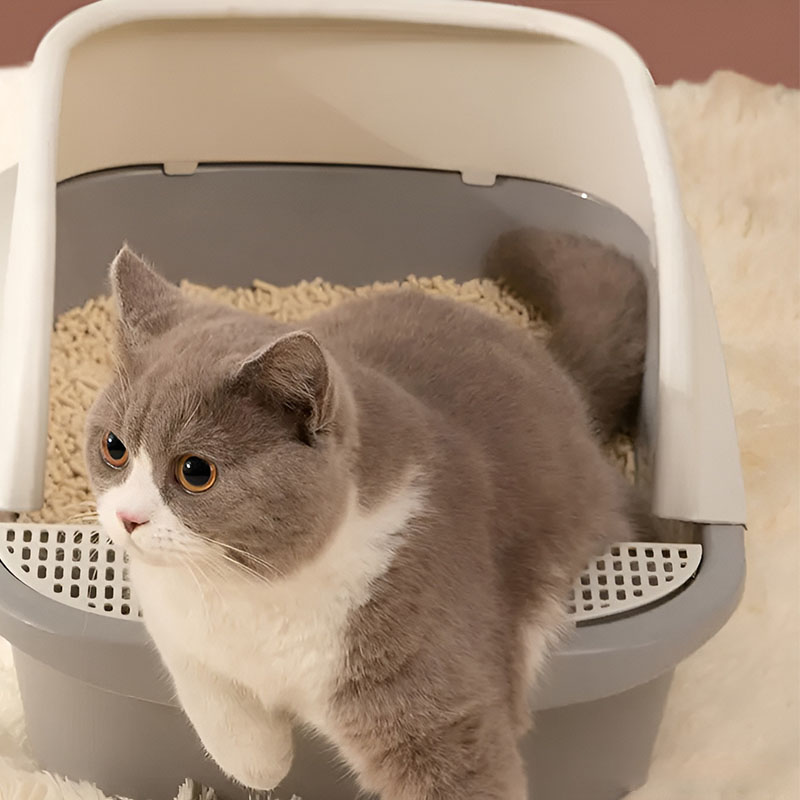
يُعد وضع رمل القطط بشكل صحيح الخطوة الأولى في العناية الناجحة برمل القطط. فسمك الرمل وطريقة نثره وترتيب محيط صندوق الرمل يمكن أن تؤثر بشكل مباشر على تجربة الاستخدام وعمر رمل القطط. يرتكب العديد من مالكي القطط أخطاء جسيمة. فبعضهم ينثر رمل القطط بطبقة رقيقة جدًّا لتوفير تكاليف المواد الاستهلاكية، بينما ينثره آخرون بطبقة سميكة جدًّا للحصول على تجربة مثالية. وكلا النهجين له عواقب سلبية.
مواصفات الأسرة التي تضم قطة واحدة
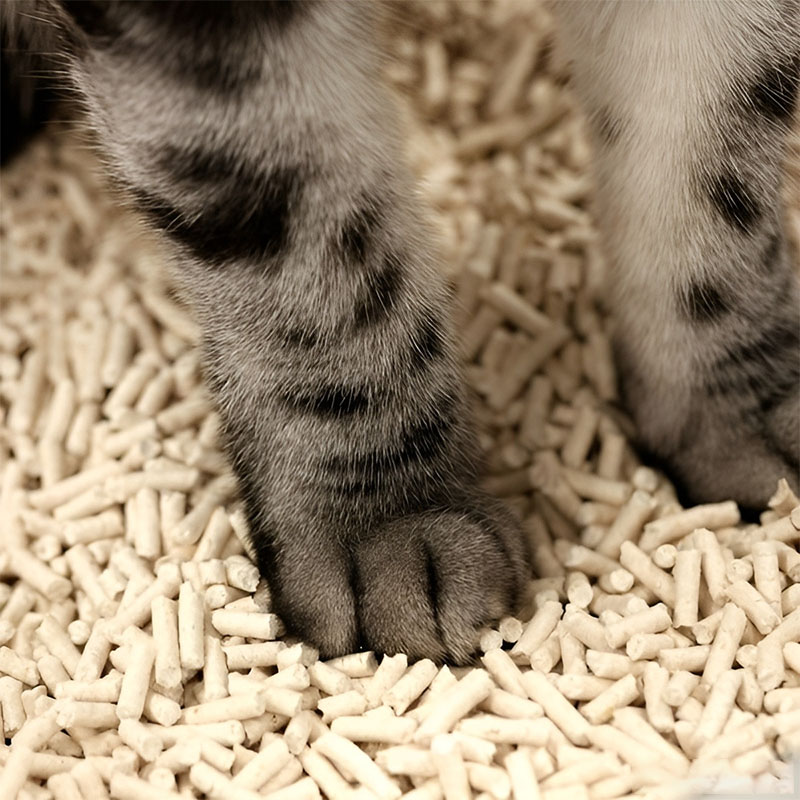
في المنازل التي تضم قطة واحدة، يُعد طبقة من رمل القطط بسمك 5–7 سنتيمترات هي الأنسب. فهذا السمك يلبي الغريزة الطبيعية للقطة في الحفر والدفن، مما يمنع البول من التسرب إلى قاع الصندوق والتسبب في التصاق الرمل. كما أنه يمنع مشكلة انضغاط الطبقة السفلية وتراكم الرطوبة بسبب السماكة المفرطة. فرمل القطط الذي يظل رطبًا باستمرار في قاعه يكون عرضة للتكتل ونمو العفن وتكاثر البكتيريا والكائنات الدقيقة غير المرئية. وهذا لا يقصر من عمر فرمل القطط فحسب، بل ينبعث منه أيضًا رائحة خفية.
التكيف مع وجود عدة قطط في المنزل
في المنازل التي تضم عدة قطط أو الأماكن التي يتجمع فيها عدد كبير من القطط، ونظرًا لارتفاع وتيرة التبرز وكثرة عدد القطط التي تستخدم صندوق الرمل، ينبغي زيادة سماكة طبقة رمل القطط قليلاً لتصل إلى 8–10 سنتيمترات. يمكن أن تساعد كمية كافية من رمل القطط في التخفيف من التلوث الناتج عن التبرز المتكرر وتقليل احتمالية تغلغل الفضلات إلى الطبقة السفلية. عند وضع رمل القطط، حاول أن تبقي السطح مستوياً. لا تقم بتكديسه عمداً، بل قم بزيادة سماكته قليلاً في الزوايا لمنع التلوث الموضعي الشديد الناتج عن عادة القطط في التبرز في الزوايا.
2. تنفيذ أعمال التنظيف اليومية
يُعد التنظيف اليومي جوهر إطالة عمر رمل القطط، ويشكل العمود الفقري لعملية الصيانة اليومية لرمل القطط. يمكن للتنظيف المنتظم عزل مصدر التلوث وحماية رمل القطط النظيف من التلوث. تحتوي فضلات القطط على كمية كبيرة من الماء والمواد العضوية والبكتيريا. وإذا تُركت الفضلات المتكتلة لفترة طويلة، فسوف ينتشر التلوث إلى رمل القطط المحيط بها، مما يتسبب في تدهور حالته على نطاق واسع.
الروتينات المعتادة لتنظيف المنزل
في المنزل العادي، ينبغي إجراء التنظيف المنتظم مرتين على الأقل يوميًا، ويفضل أن يكون ذلك في أوقات محددة في الصباح والمساء. قم بإزالة كتل البول والبراز الصلب ورمل القطط المتحلل الذي أصبح أسود اللون وناعمًا في الوقت المناسب. عند تنظيف الكتل، توخى الحذر لتجنب تكسير كتل البول بقوة، مما قد يتسبب في تلوث رمل القطط النظيف المحيط بها. بالنسبة للمناطق المخفية مثل الفجوات والزوايا، افحصها بعناية لمنع بقاء أي كتل صغيرة.
إدارة البيئات عالية الكثافة
في الأماكن التي يتجمع فيها عدد كبير من القطط، يجب زيادة وتيرة التنظيف بشكل أكبر. ونظرًا لارتفاع الكثافة السكانية في هذه البيئة، فإن التلوث ينتشر بسرعة أكبر. يجب على الموظفين إجراء فحص شامل كل ساعة إلى ساعتين وإزالة الملوثات على الفور لمنع التلوث المتبادل. يمكن للتنظيف الدقيق والمستمر أن يطيل بشكل فعال مدة استخدام علبة رمل القطط بأكملها، ويقلل من الخسارة الاقتصادية الناتجة عن تغيير الرمل بشكل متكرر.
3. التحكم في الرطوبة والتهوية
تعد إدارة الرطوبة والتهوية في البيئة المحيطة أحد تفاصيل صيانة رمل القطط التي يغفل عنها العديد من مالكي القطط. يتمتع رمل القطط بخصائص امتصاص قوية؛ فهو لا يمتص رائحة البول فحسب، بل يمتص الرطوبة من الهواء أيضًا. وإذا بقيت في بيئة رطبة ومغلقة لفترة طويلة، فإن نسبة الماء في رمل القطط ستزداد، وستتليّن الجزيئات وتتفكك تدريجيًا. كما أن رمل القطط النباتي معرض لنمو العفن، في حين أن رمل القطط المعدني قد يتصلب.
التدخلات المتعلقة بالمناخ والبيئة
تبرز مشكلة الرطوبة بشكل خاص خلال موسم الأمطار في الجنوب، أو في المنازل ذات الطوابق المنخفضة، أو عندما يتم وضع صندوق الرمل بجوار الحمام. أثناء الصيانة اليومية، احرص على توفير تهوية جيدة في المنطقة التي يوجد بها صندوق الرمل. استخدم طرقًا مثل فتح النوافذ، أو تشغيل مراوح الشفط، أو أجهزة إزالة الرطوبة لتقليل الرطوبة المحيطة والحفاظ على الرطوبة الداخلية ضمن النطاق المناسب. في الأيام الممطرة، حاول تجنب التنظيف الرطب على نطاق واسع لمنع الرطوبة من تآكل رمل القطط.
تحسينات الصيغة من قبل الشركة المصنعة
تقوم بعض شركات تصنيع رمل القطط بتحسين تركيبات منتجاتها لتناسب المناطق الرطبة، وذلك بإضافة مكونات مقاومة للرطوبة ومضادة للبكتيريا من أجل تعزيز مقاومة رمل القطط للرطوبة. ومع ذلك، لا يزال التحكم في البيئة المحيطة أمرًا ضروريًا. ويُعد التدخل اليدوي في التهوية وإزالة الرطوبة أبسط طرق الصيانة وأكثرها فعالية.
4. بروتوكولات التخزين العلمية
يمكن أن تضمن طريقة التخزين العلمية جودة رمل القطط غير المفتوح وتمنع تدهور جودته قبل الأوان، وهي خطوة وقائية أساسية في صيانة رمل القطط. يتم تجفيف معظم رمل القطط المتوفر في الأسواق قبل خروجه من المصنع، بحيث يكون محتواه من الرطوبة منخفضًا جدًّا. وإذا كانت بيئة التخزين رطبة وقذرة، فمن السهل أن يتعرض رمل القطط للرطوبة والتكتل، مما يؤدي إلى تكاثر الحشرات والعث.
العناية بالعبوات غير المفتوحة
يجب تخزين رمل القطط غير المفتوح في مكان جاف وبارد بعيدًا عن مصادر المياه. تجنب وضعها مباشرة على الأرض، حيث إن الرطوبة الصادرة من الأرض قد تتسرب ببطء عبر العبوة وتتلف رمل القطط. يُنصح باستخدام رف تخزين لإبقائها على ارتفاع 5–10 سنتيمترات فوق الأرض. لا تقم بتكديس رمل القطط على ارتفاع كبير، حيث إن الضغط المفرط قد يتسبب في تفتت الجسيمات وإنتاج كمية كبيرة من الغبار.
بروتوكولات فتح العبوات
بعد فتح العبوة، لا يمكن لرمل القطط الاعتماد بعد ذلك على التغليف الأصلي لعزله عن الهواء. يُنصح بتخزينه في دلو أو كيس تخزين محكم الإغلاق وإغلاقه بإحكام فورًا بعد كل استخدام لمنع دخول الرطوبة والغبار والحشرات. عادةً ما تأتي منتجات شركات رمل القطط المعروفة في عبوات سميكة مقاومة للرطوبة قادرة على حجب الضوء والأكسجين، مما يجعلها مناسبة للتخزين على المدى الطويل. في المقابل، فإن رمل القطط الرخيص ذو العبوات البسيطة يتميز بأداء إغلاق ضعيف، لذا لا يُنصح بتخزينه بكميات كبيرة. بدلاً من ذلك، قم بشرائه حسب الحاجة لتقليل مخاطر تلفه أثناء التخزين.
5. تجديد الرمال بشكل معقول وتقليبها بانتظام
يمكن أن يؤدي التجديد المعقول للرمل وتقليبه بانتظام إلى تحسين حالة رمل القطط وتأخير الحاجة إلى تغيير الرمل بالكامل، مما يشكل خطوات فعالة في صيانة رمل القطط. بعد الاستخدام لفترة طويلة، تصبح الطبقة السطحية لرمل القطط ناعمة وفضفاضة بسبب دوس القطط عليها وحفرها فيها. تنخفض نفاذية الهواء في الطبقة السطحية، وتزداد الرطوبة فيها.
تقنيات التقليب والتحريك
كل 2–3 أيام، استخدم مجرفة نظيفة مخصصة لرمل القطط لتقليب طبقة الرمل برفق. اقلب رمل القط الجاف من القاع إلى السطح، وقم بتفتيت المناطق المتكتلة قليلاً، واجعل توزيع الرطوبة أكثر توازناً لتقليل الروائح الكريهة الناتجة عن العفن في بعض المناطق. أثناء عملية تقليب الرمل، قم أيضاً بإزالة الكتل الصغيرة من البول والأوساخ المخبأة في الطبقة العميقة لتحسين مستوى النظافة.
طرق التزويد الاستراتيجية
قم بتجديد رمل القطط في الوقت المناسب للحفاظ على السماكة المطلوبة. لا تكتفِ بتنظيف صندوق الرمل دون إضافة رمل جديد لفترة طويلة. من الأفضل إضافة الرمل بكميات صغيرة عدة مرات بدلاً من إضافته بكميات كبيرة دفعة واحدة. بهذه الطريقة، يمكن أن يختلط الرمل القديم والجديد بشكل طبيعي، مما يحافظ على الرائحة المألوفة ويقلل من إجهاد القطط، مع الحفاظ على استقرار بنية طبقة الرمل.
في الأماكن التي يتجمع فيها عدد كبير من القطط، سيضع الموظفون خطة ثابتة لتجديد الرمل. وسيقومون بتجديد رمل القطط وفقًا لمقدار الفاقد اليومي لضمان أن يكون سمك طبقة الرمل في كل صندوق رمل متساويًا، والحفاظ على إدارة تربية موحدة المعايير.
6. تجنب وضعها في مكان غير صحيح
يمكن أن يقلل تجنب وضع صندوق الرمل في مكان غير مناسب من تأثير العوامل الخارجية على رمل القطط، مما يجعل اختيار المكان عنصرًا أساسيًّا في صيانة رمل القطط. يقوم العديد من مالكي القطط بوضع صندوق الرمل بالقرب من وعاء الطعام وموزع الماء لتسهيل عملية التنظيف. ومع ذلك، فإن هذا الترتيب لا يتعارض مع العادات الفسيولوجية للقطط فحسب، بل يؤدي أيضًا إلى تسريع تدهور حالة رمل القطط.
الابتعاد عن مناطق التغذية
يجب الحفاظ على نظافة المكان الذي تأكل فيه القطة وتشرب. فقد تؤثر الروائح المنبعثة من منطقة التبرز على شهية القطة. كما أن الماء المتناثر وبقايا الطعام المنسكبة قد تسقط في صندوق الرمل، مما يتسبب في رطوبة رمل القطة وتعفنه وتفسخه. يجب وضع صندوق الرمل بعيدًا عن الطعام والماء وفراش الحيوان الأليف، في مكان هادئ وجيد التهوية مع إضاءة خافتة وقليل من حركة الناس. وهذا يضمن خصوصية القطة أثناء التبرز ويقلل من التلوث الخارجي.
تجنب درجات الحرارة القصوى
بالإضافة إلى ذلك، تجنب وضع صندوق الرمل بالقرب من فتحة تهوية مكيف الهواء أو جهاز التدفئة. فقد تؤدي الفروق الشديدة في درجات الحرارة إلى تغيير البنية المادية لرمل القطط، مما يتسبب في تشققه وتحويله إلى مسحوق، وبالتالي تقصير عمره الافتراضي.
الخلاصة: إدارة محسّنة من أجل تربية أكثر صحة
بشكل عام، لا تُعد الصيانة الشاملة لرمل القطط عملية مهنية معقدة، بل هي طريقة إدارة منهجية تتكون من العديد من العادات البسيطة. فالتوزيع العلمي، والتنظيف المنتظم، والتحكم في الرطوبة والتهوية، والتخزين السليم، بالإضافة إلى تجديد الرمل وتقليبه بانتظام، كلها عوامل يمكن أن تبطئ من تآكل رمل القطط.
من خلال تحسين طريقة الصيانة، يمكن للأسر العادية إطالة دورة تغيير الرمل بأكثر من الثلث وتقليل تكاليف تربية القطط على المدى الطويل. أما الأماكن التي يتجمع فيها عدد كبير من القطط، فيمكنها الاعتماد على عملية صيانة موحدة ورمل قطط مخصص من شركات متخصصة في هذا المجال، مما يقلل بشكل كبير من تكلفة الشراء بالجملة.
لتربية القطط بشكل جيد واستخدام رمل القطط بفعالية، لا تعتمد على تغيير رمل القطط بشكل أعمى ومتكرر. بدلاً من ذلك، استخدم أساليب متطورة لصيانة رمل القطط لتحقيق أقصى استفادة منه. وهذا يضمن توفير بيئة معيشية نظيفة وصحية ومريحة للقطط، مع تحقيق تربية علمية منخفضة التكلفة وعالية الكفاءة.
الأسئلة الشائعة
كم مرة يجب عليّ استبدال رمل القطط بالكامل في صندوق الرمل؟
حتى لو كنت تقوم بإزالة الفضلات يوميًا، يجب استبدال رمل القطط بالكامل بشكل منتظم. بالنسبة للرمل المتكتل، يُنصح عمومًا باستبداله بالكامل كل 2–4 أسابيع، اعتمادًا على عدد القطط ومعدل استخدام صندوق الرمل. أثناء الاستبدال، قم بتنظيف صندوق الرمل وتطهيره جيدًا قبل إضافة رمل جديد للحفاظ على النظافة والحد من تراكم الروائح.
ما هي أفضل طريقة للعناية بصندوق رمل القطط للحفاظ على صحة قطتي؟
تتضمن أفضل إجراءات العناية اليومية إزالة كتل البول والبراز مرة أو مرتين على الأقل يوميًا، والحفاظ على عمق مناسب للرمل، وتنظيف صندوق الرمل بانتظام، واستبدال الرمل القديم حسب الحاجة. تساعد العناية المنتظمة على التحكم في الروائح، وتقليل نمو البكتيريا، وتشجيع القطط على استخدام صندوق الرمل براحة، مما يدعم صحتها ورفاهيتها بشكل عام.
 Arabic
  English
  Spanish
  Russian
  Japanese