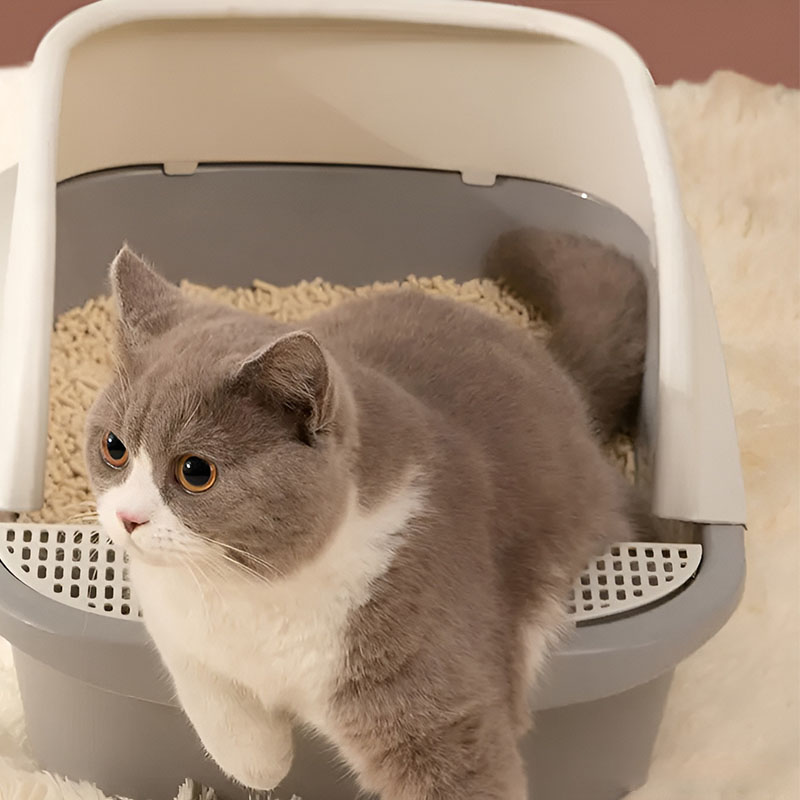
現代のペット用品バイヤーは、単一のSKU(商品)だけを求めているわけではありません。卸売業者が求めるのは、信頼性の高い鉱物系猫砂のラインナップ、植物由来の製品、小動物用ウッドチップ、砂浴び用サンド、そして様々な小売チャネルに対応可能なパッケージなど、多岐にわたる製品群です。課題となるのは、これらすべての製品において、品質、関連書類、パッケージ、配送といった要素を適切に管理・運用できるペット用敷材サプライヤーを見つけることです。
本ガイドは、B2Bの購入者に向けてAiShaの製品ラインナップの考え方を提示するものです。その際、企業に関する一般的な情報と、最新のSKUレベルでの確認を要する技術的な主張とを区別して記載しています。
これがペット用寝具の販売業者や卸売業者にとって重要である理由: 適切なペット用寝具サプライヤーの選択は、陸揚げコスト、小売販売スルー、コンプライアンス リスク、およびブランドの評判に影響します。品質を文書化し、OEM 条件を固定し、物流を管理できるマルチカテゴリーのサプライヤーは、販売代理店に単一 SKU の競合他社に比べて目に見える優位性をもたらします。
主なポイント
- AiShaの公開製品情報は、以下を網羅しています。 猫砂、ハムスターの飼育用品、およびアイケア製品。ご注文の際は、有効なSKUリストをご確認ください。
- 多岐にわたるカテゴリーのペット用寝具を供給する事業者は、5種類の製品それぞれについて、仕様、梱包計画、試験方法、およびバッチ記録を提示する必要があります。
- 鉱物系猫砂、植物系猫砂、木質系敷材、および砂浴び用砂は、それぞれ原材料や品質管理(QC)において重視すべき点が異なります。これらを同一の配合システムとして扱わないでください。鉱物系猫砂、植物系猫砂、木質系敷材、および砂浴び用砂は、それぞれ原材料や品質管理(QC)において重視すべき点が異なります。これらを同一の配合システムとして扱わないでください。
- 単に袋あたりの工場出荷価格を比較するのではなく、着地コスト(仕入原価)と販売可能数量を比較してください。工場出荷価格が低いからといって、必ずしも着地コストが低くなるとは限りません。
- OEMやプライベートブランドの受託製造においては、処方、粒子の形状、パッケージ、ラベル、訴求内容(クレーム)、MOQ(最低発注量)、リードタイム、そして関連書類という8つの要素を相互に整合させる必要があります。
- 特定のSKUに関する最新の裏付け資料が確認されるまでは、容量、認証、および性能数値はメーカーによる主張(ファーストパーティ・クレーム)として扱ってください。
- 国際輸送において、無垢材のパレットやダネージ(荷崩れ防止用資材)にはISPM 15への適合が義務付けられています。積載前に仕向地の要件をご確認ください。
AiSha製品ラインナップ比較表
以下の表は、AiShaのようなペット用寝具サプライヤーが提供する主要な製品カテゴリーをまとめたものです。これにより、B2Bのバイヤーは、注力分野、素材、必要書類といった要素を一目で比較検討することができます。
| 製品カテゴリー | 一般的な購入者が重視する点 | 主要資料 | 書類および小切手 | 最適 |
| 鉱物系猫砂 | 固まりやすさ、吸収力、消臭、粉塵の抑制 | ベントナイト、粘土鉱物 | 仕様、防塵・防湿方法、バッチレポート | 大量販売を行う小売チャネル |
| 植物由来の猫砂 | 素材のストーリー、重量、廃棄時の位置づけ | 豆腐、キャッサバ、植物繊維 | 原材料表示、水分量、および表示内容の確認 | 環境に配慮した市場 |
| 木質系敷材 | 小動物の快適さ、吸水性、粒の構造 | 木くず、木片 | 木材の供給源、水分、粉塵、梱包の確認 | ハムスター・小動物の小売 |
| ペット用砂浴び砂 | 粒子の細かさ、清浄度、取り扱い性 | 微細な鉱物砂 | 材質明細、粒子仕様、安全情報 | 専門的なペットケア |
| OEM / プライベートブランド | 処方、包装、ラベル、再現性 | カスタム配合 | 承認済みサンプル、アートワーク、MOQ(最小発注数量)、リードタイム、バッチファイル | ブランド所有者および輸入業者 |
このAiSha製品ガイドの対象読者
本ガイドは、多岐にわたるカテゴリーのペット用品ラインナップを構築する販売代理店、ペット用寝具のサプライヤーを比較検討する卸売業者、コンテナ単位での発注を計画する輸入業者、プライベートブランド(PB)を開発する小売業者、そして複数の素材を試したいペット用品ブランドを対象としています。また、本格的な発注を行う前に、製品の性能、パッケージ、関連書類、配送条件などを比較・検討する必要があるバイヤーにとっても有用な資料です。
~の業界データ 米国ペット用品協会(APPA) 複数のカテゴリーにわたるペットの飼育が継続的に拡大しており、サプライヤーの品揃えと信頼性が、世界中のB2Bバイヤーにとって戦略的な優先事項となっています。
1. 鉱物系猫砂:中核となるボリュームカテゴリー
多くの小売市場において、鉱物系猫砂の「固まる」「吸収する」という特性が広く認知されているため、流通業者にとって同製品は依然として重要な商材です。AiSha社の公開情報からは同社が猫砂を製造していることが分かりますが、製品の性能については、全製品ラインナップに一律の基準を当てはめるのではなく、個別のSKU(商品単位)ごとに詳細なデータを確認する必要があります。猫砂の卸売業者にとって有益な比較検討の対象となるのは、一般的なカテゴリー区分ではなく、個々の製品の具体的な仕様です。
原料および粒子設計
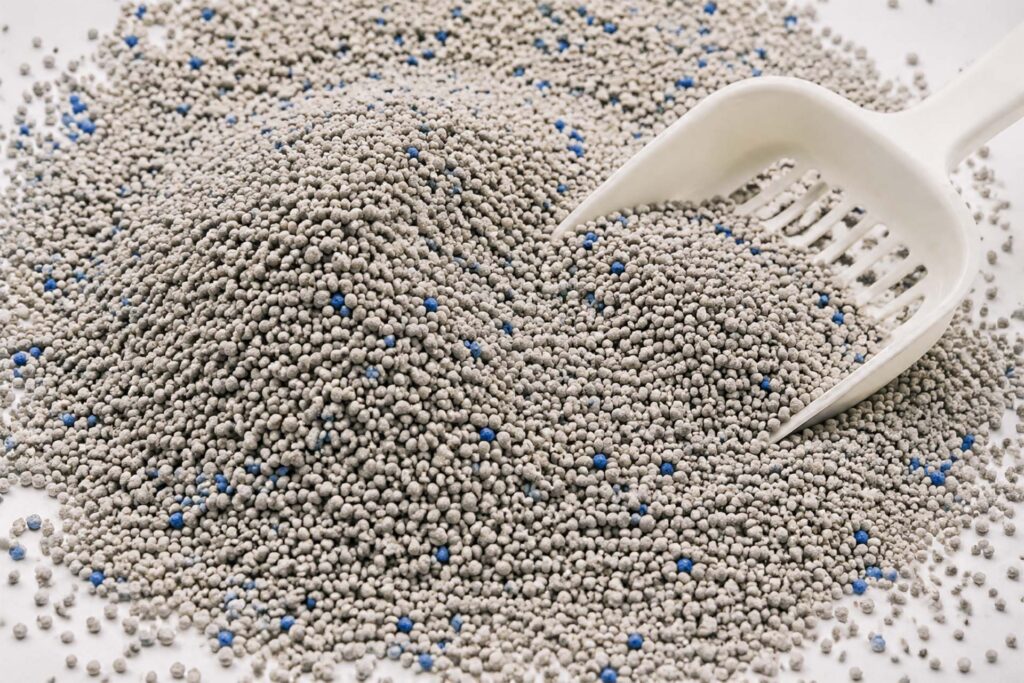
鉱物系猫砂は、吸水性、膨潤性、粒の強度、色、および供給の安定性を考慮して選定された鉱物素材から作られます。製造工程には、洗浄、破砕、粉砕、調整、成形、乾燥、選別、および粉塵抑制などが含まれる場合があります。最終的な粒の形状は、ターゲット市場や製品のポジショニングに応じて、球状、不規則な形状、あるいはその他の合意された形状となります。
卸売業者にとって、粒子の設計は単なる外観以上の要素に影響を及ぼします。具体的には、注ぎやすさ、足への付着(トラッキング)、固まりの処理、梱包時の充填密度、さらには積み込み時に生じる粉塵や粒の飛散量などが挙げられます。したがって、単に「プレミアム・ミネラル・リター(高級鉱物系猫砂)」といった大まかな説明を鵜呑みにするのではなく、具体的な粒径範囲や粒度分布の測定方法を提示するよう求めるべきです。
性能に関する主張には手法が必要である
吸水性、固まりやすさ、粉塵、水分、消臭性、および粒子の強度については、所定の試験方法に基づいた数値である必要があります。AiSha(アイシャ)の見積書や仕様書に数値が記載されている場合は、サンプルの採取場所や試験方法を確認するとともに、その数値が標準的なSKU(製品)のものか、それとも特定の顧客向けにカスタマイズされたバッチのものかを確認してください。そうすることで、製品間の比較がより有意義なものとなり、ある製品の試験結果を別の製品に誤って当てはめてしまうリスクを低減できます。
購入者は、次のような標準化されたテストの枠組みを参照することができます。 ASTM試験方法 注文を行う前に、ペット用寝具のサプライヤーと品質に関する期待値をすり合わせる。
2. 植物性猫砂:成長が見込まれる製品群
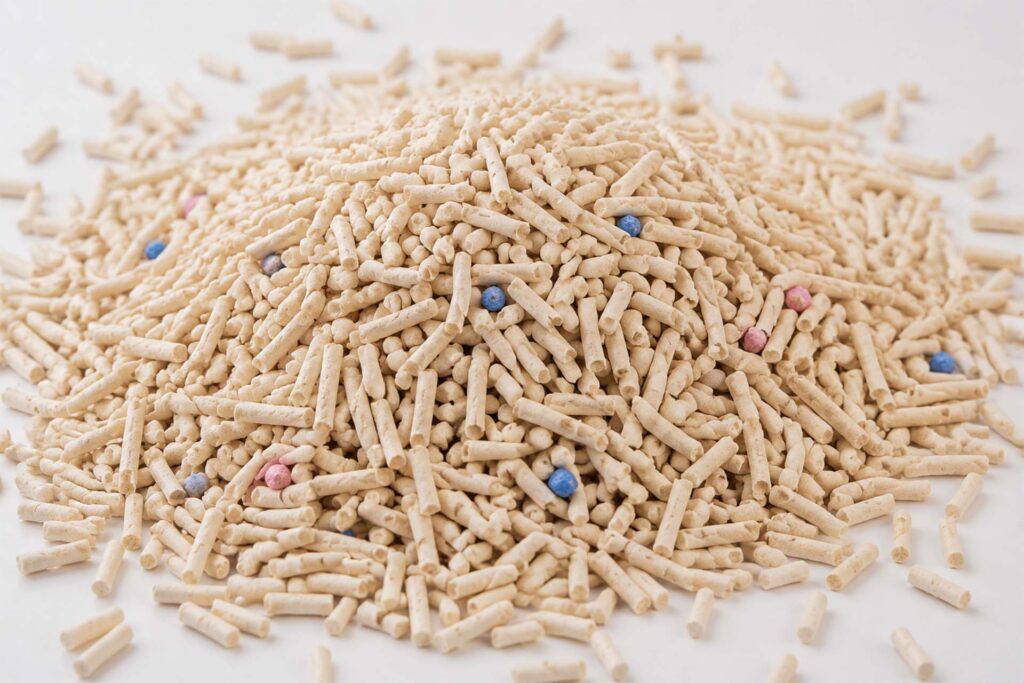
植物由来の猫砂は、独自の製品ストーリーを提示できるほか、軽量性、再生可能素材の使用、あるいは代替的な廃棄方法といった訴求を可能にするため、B2Bのバイヤーにとって魅力的な製品です。しかし、「植物由来」であればどの製品も、吸湿安定性、固まりやすさ、粉塵の発生、廃棄時の特性などがすべて同じであるわけではありません。
豆腐およびその他の繊維質をベースとした形態
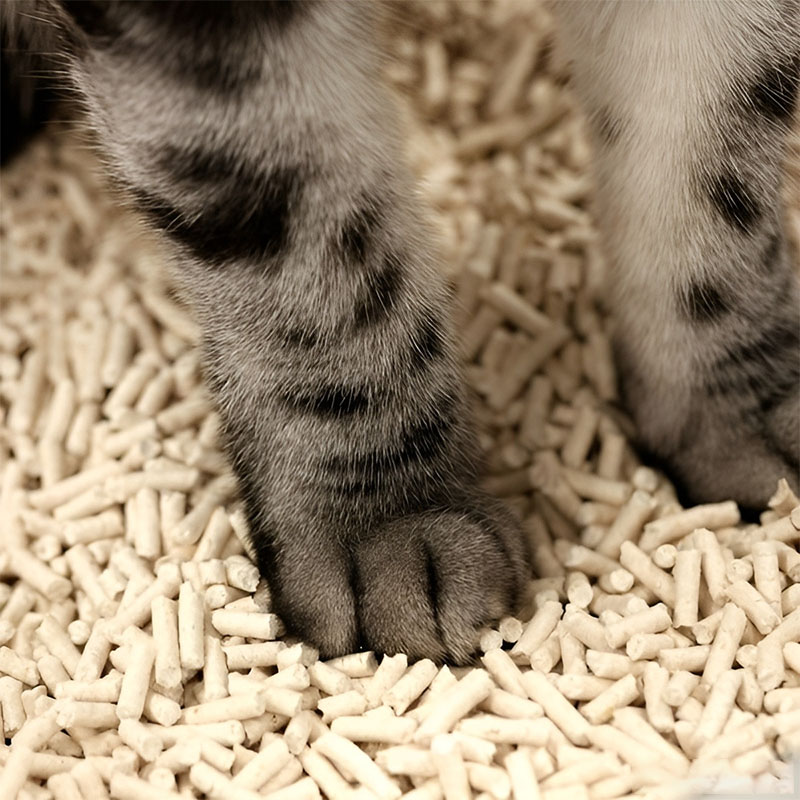
繊維を主成分とする製品は、大豆の搾りかす(または繊維)、植物性デンプン、結合剤、そして必要に応じて香料や消臭成分を配合して製造される場合があります。製造工程においては、主に原料の水分管理、均一な混合、ペレット成形、乾燥、選別、および包装による保護が重視されます。購入を検討する際は、成分表示、ペレットのサイズ、水分含有量の範囲、粉塵(ダスト)の発生状況、固まり方(凝集特性)、保管条件、そして販売対象地域において廃棄方法に関する表示が認められているか否かを確認する必要があります。これらは、異なる市場向けにペット用トイレ砂(敷材)製品を比較検討する上で、極めて重要な要素となります。
Cassavaと軽量フォーマット
キャッサバを主原料とする製品は、植物由来の成分、取り扱いの容易さ(軽量性)、素早い固まりやすさといった点を訴求することが一般的です。その市場での性能は、配合、ペレットの密度、包装、輸送ルートの気候、および倉庫の保管条件に左右されます。製品が軽いからといって必ずしも着地コスト(仕入原価)が安くなるとは限らないため、購入者は単に重量だけで判断するのではなく、コンテナ1個あたりの販売可能な小売単位数や、実際の破損率・水分含有率を比較検討すべきです。
植物由来の製品について、「水に流せる(flushable)」、「生分解性(biodegradable)」、「堆肥化可能(compostable)」、あるいはこれらに類する表示を行う場合は、必ず製品固有の根拠を確保し、販売対象市場における規制等の確認を行ってください。こうした表示は単なるマーケティング・コピーではなく、法規制への適合に関わる重要な要素です。
欧州のバイヤーは、植物由来の猫砂や敷き材に関する表示や栄養基準について、FEDIAF(欧州ペットフード工業会連合)のガイドラインを参照してください。
3. 小動物用ウッドチップ・砂浴び用砂
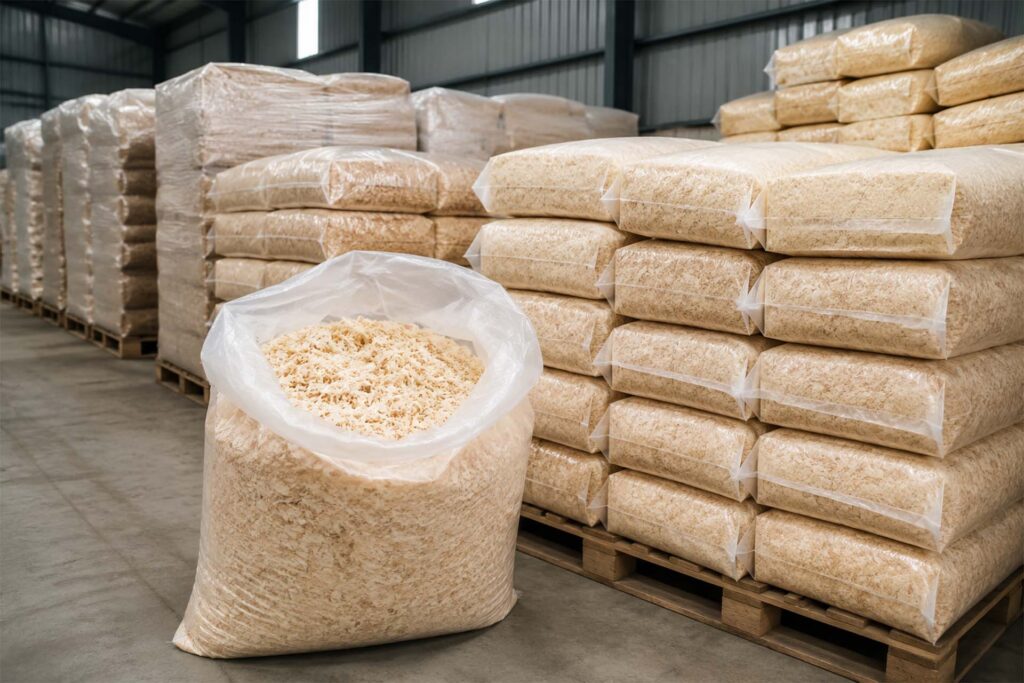
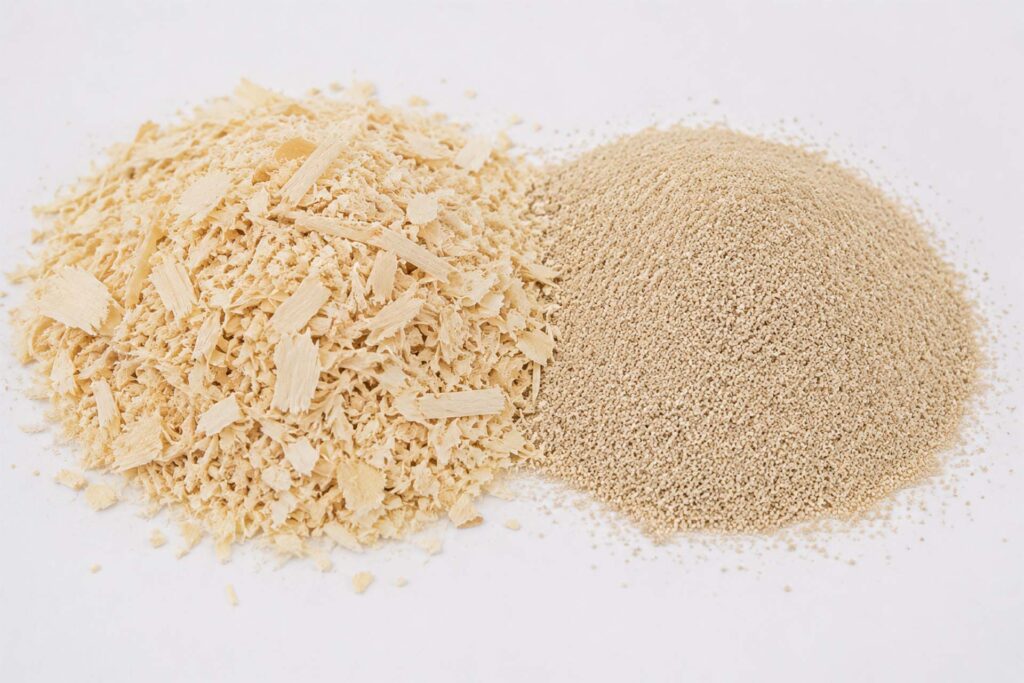
AiShaの取扱製品には、小動物の飼育用品も含まれています。木製チップやシュレッド(細断材)は、ハムスター、ウサギ、モルモット、チンチラなどの小動物に使用できますが、それぞれの動物種によって、粒の大きさ、柔らかさ、吸水性、粉塵の少なさ、消臭性、保管方法などに求められる条件が異なります。小動物用床材を比較検討する際は、対象となる動物種ごとの使用方法や保管方法に関する情報を確認することをお勧めします。
木屑の素材選定
購入者は、使用される樹種、素材の加工方法、乾燥の有無、粉塵対策、そして梱包方法について確認すべきです。樹種、処理、水分含有量、保管状況はすべて、最終製品の品質に影響を及ぼします。「天然木」という言葉だけでは、完全な技術的仕様とは言えません。
ペット用砂浴び砂の仕様
砂浴び用の砂は、小動物のケアに特化した製品です。購入の際は、素材の産地、粒子の細かさ、清潔さ、臭い、パッケージ、そして対象となる動物の種類を確認する必要があります。粒子が細かすぎると取り扱いや粉塵の問題が生じる可能性があり、逆に粗すぎると期待通りの砂浴び効果が得られない場合があります。
製品仕様書には、材質、粒子の仕様、梱包重量、保管条件、香料の有無、および安全性や使用上の注意事項を記載する必要があります。適切な規制当局および科学的専門家による審査でその主張が裏付けられていない限り、皮膚疾患の治療や予防に効果があるものとして製品を説明してはなりません。
輸出および倉庫に関する留意点
木質製品は軽量ですが、かさばる場合があります。コンテナの積載効率、圧縮、防湿対策、パレットの処理、倉庫の換気などは、着地コストや販売可能な在庫量に大きな影響を及ぼす可能性があります。無垢材のパレットやダネージ(荷崩れ防止材)を使用する場合は、IPPC(国際植物防疫条約)の木材梱包基準に基づき、仕向地におけるISPM 15(国際植物防疫基準第15号)の要件を確認してください。
~を参照してください IPPC ISPM 15規格 あらゆるペット用寝具サプライヤーからの国際輸送に適用される、木製梱包材の処理および表示に関する公式要件について。
4. AiShaシリーズの品質管理
ワンストップで製品を取り扱う場合、カテゴリーごとに品質管理体制が整備されて初めて価値が生まれます。例えば、鉱物系猫砂(ミネラル・リター)向けの検査項目を、木質チップや砂浴び用砂にそのまま適用すべきではありません。AiShaのバイヤーは、製品ごとに個別の品質管理計画を提示するよう求めるべきです。
カテゴリー別品質計画
- 受入原材料の検査およびロット識別。
- 原材料に応じた水分および保管の管理。
- 粒度または構造の確認。
- 必要に応じた粉塵または微粉の評価。
- 吸湿性、凝集性、強度、その他製品固有の試験。
- 包装の正味重量、封止状態、表示(アートワーク)、カートン、およびパレットの確認。
- 保管サンプルおよびバッチ出荷承認記録。
書類の確認
元の資料には、社内のQA/QC(品質保証・品質管理)試験、TDS(技術データシート)、およびSDS/MSDS(安全データシート)に関する記載があります。これらはB2B取引において有用な文書となり得ますが、文書の適用範囲、発行元、日付、および対象となるSKUを確認する必要があります。文書は、買い手がそれを特定の出荷品と正確に結びつけられる場合にのみ、有用なものとなります。
ペット用寝具のサプライヤーを検討する際、バイヤーはISO 9001の品質マネジメント原則を参考にサプライヤーの品質保証(QA)体制を評価できます。また、鉱物由来や植物由来の製品については、化学物質に関する規制であるEU REACH規則を参照し、適合性を示す文書を確認することが可能です。
5. OEM、プライベートブランド、および提携モデル
プライベートブランドのバイヤーがAiShaと連携する際は、パッケージデザイン単体ではなく、まず製品概要(ブリーフ)を提示することから始めるべきです。この概要には、素材、ターゲット市場、顧客層、粒子の形状、香り、訴求ポイント(クレーム)、パッケージサイズ、ラベルの言語、予想発注量、仕向け港、発売日などを盛り込みます。
話し合えること
- 製品カテゴリーおよび処方の方向性
- 粒子の形状、サイズ、色、香り、および機能性成分。
- 小売用袋、紙袋、カートン、織布袋、バケツ、またはバルク(大量)形態。
- プライベートブランド用デザイン、バーコード、言語表記、および法規制適合情報。
- サンプルの承認、バッチ関連書類、最小発注量(MOQ)、リードタイム、および出荷計画。
カスタマイズの具体的な範囲、価格、最低発注数量(MOQ)、リードタイム、および生産能力については、AiShaの最新の見積書で必ず確認する必要があります。公開されている製品情報のみに基づいて、確定した取引条件を約束すべきではありません。ペット用寝具のOEMサービスを検討するバイヤーは、製品と最終的なパッケージの両方を承認する必要があります。
新規の販売代理店の場合
まずは、明確に絞り込んだ小規模な製品群から開始してください。本格的に取り扱いカテゴリーを拡大する前に、サンプルや試験的な発注(パイロットオーダー)を活用し、製品の受容性、梱包、輸送、通関、倉庫保管、そして小売店からのフィードバックを確認しましょう。
既存の卸売業者の場合
「主流のミネラル系製品」、「差別化された植物由来製品」、そして販売チャネルが対応可能であれば「小動物用敷材」を組み合わせた製品ポートフォリオを構築します。各カテゴリーの仕様書やバッチ記録は、それぞれ個別に管理してください。
プライベートブランド(PB)の場合
製品とパッケージをセットで承認してください。印刷工程に入る前に、訴求内容(クレーム)、ラベルの記載事項、製品重量、カートン(外箱)の表示、試験要件、MOQ(最小発注数量)、リードタイム、および仕向地ごとの要件を確定させておきましょう。
複数の市場へ展開する輸入業者の場合
単一のラベル、訴求内容、パレット仕様、あるいは書類セットがすべての国で通用するとは考えないでください。パッケージ、バイオセキュリティ(防疫)、化学物質規制への適合確認、廃棄物に関する表示、通関書類などについて、市場ごとの要件をまとめたマトリックス(一覧表)を作成しましょう。
6. 物流および着地コストの計画
製品ラインナップは、買い手が効率的に輸送・移動できる場合に、商業的な有用性を発揮します。製品価格、梱包費、内陸輸送費、輸出取扱費、海上運賃、保険料、仕向地での諸費用、関税、現地配送費、倉庫での荷役費、および想定される破損コストといった「総着地コスト(フル・ランデッド・コスト)」を比較検討してください。重量のある鉱物製品と、かさばる木材製品とでは、それぞれ異なるコンテナ輸送戦略が必要になる場合があります。
梱包および積載に関するご質問
- 梱包およびカートンごとの正味重量と総重量はどれくらいですか?
- 貨物はパレット積みですか、それとも床積みですか?
- 植物由来製品はどのような方法で湿気から保護されますか?
- 重いカートンは圧縮に対してどのように補強されていますか?
- パレットまたは緩衝材はISPM 15の要件を満たしていますか?
- どのような写真、封印記録、および梱包書類が保管されますか?
工場出荷価格が低いからといって、必ずしも着地コスト(仕入原価)が低くなるとは限りません。許容できる状態で納品され、販売可能な製品の数と、再発注、クレーム対応、ラベルの貼り直し、あるいは破損在庫にかかるコストとを比較検討してください。
7. よくある間違いとお手入れ方法
避けるべき3つの間違い
間違い1:すべての製品カテゴリーを単一の処方システムとして扱うこと。
鉱物系、植物系、木質系、および砂浴び用の各トイレ砂や敷材は、原材料、性能、保管、文書化に関して、それぞれ異なる優先事項が求められます。
間違い2:未検証の数値を、確定した約束として公表すること。
容量、認証、吸収性、粉塵、顧客・市場数、MOQ(最小発注量)、リードタイム、およびコンテナ積載量については、最新の文書、SKU、日付、および責任主体と関連付ける必要があります。
間違い3:完全な商用SKUを承認せずに、製品を承認してしまうこと。
配合、包装、ラベル、正味重量、カートン、パレット、クレーム、試験報告書、および積載計画を併せて確認する必要があります。
取り扱い、保管、および文書の引き渡し
未開封の製品は、清潔で乾燥した場所に保管し、床から離して、水濡れ、配管からの漏水、強い臭気の影響を受けないようにしてください。先入れ先出し(FIFO)の原則に従って管理し、封の破損、水濡れの跡、異臭、固まり、ラベルの損傷などが見られる袋や箱は、隔離してください。
受領時には、コンテナの封印、梱包数、ロットコード、正味重量、カートン、ラベル、および製品の外観状態を、パッキングリストや承認済みサンプルと照合してください。請求書、パッキングリスト、仕様書、試験記録、アートワーク承認書、積込時の写真、輸送書類、および受領報告書は、一つの注文ファイルにまとめて保管してください。
結論:エビデンスに基づき、拡張性のあるペット用寝具の製品ラインナップを構築する
B2BのバイヤーにとってのAiShaの価値は、単なる猫砂製品にとどまりません。同社の包括的な製品ラインナップを活用することで、販売代理店は、鉱物系・植物系猫砂、木質系敷材、砂浴び用砂、および関連するペットケア用品といったカテゴリーを網羅した、バランスの取れた製品ポートフォリオを構築できます。各製品を明確なターゲット市場、仕様、パッケージ、関連資料、配送計画と適切に適合させることこそが、ビジネス上の優位性をもたらすのです。
よくある質問
ペット用寝具のサプライヤーとしてAiShaを検討されている販売代理店や卸売業者様からよく寄せられるご質問です。回答は、公開されている製品情報および一般的なB2B取引の慣行に基づいています。詳細については、最新のお見積もりにてご確認ください。
AiShaは何を供給していますか?
公開情報によると、AiShaは猫砂や小動物用製品(猫砂、ハムスター用飼育用品、目元ケア製品など)のカテゴリーに関連しています。ご注文の際は、現在取り扱い中のSKUリストおよび事業範囲をご確認ください。
購入者はAiShaとどのような種類の猫砂について相談できますか?
提供された製品資料には、鉱物系、植物系、および木質系の製品に関する情報が記載されています。対象となるSKUについて、利用可能な具体的な配合、粒子の種類、梱包形態、および仕様を、ペット用敷材のサプライヤーに直接ご確認ください。
AiShaはOEMやプライベートブランドのプロジェクトに対応できますか?
製品の配合、粒子の形状、包装、ラベル、および市場の要件に関するOEMやプライベートブランド(PB)での対応について、ご相談を承ります。具体的なカスタマイズの範囲、最低発注数量(MOQ)、リードタイム、および提出書類については、その都度お見積もりにてご確認いただく必要があります。
製品プレゼンテーションに記載されている容量や性能の数値は保証されていますか?
いいえ。最新の仕様書、試験報告書、証明書、および見積書によって正確なSKUと適用範囲が確認されるまでは、それらをあくまで会社から提供された情報や製品ページの参考情報として扱ってください。
販売代理店は、大量注文の前に何を依頼すべきでしょうか?
製品仕様書、成分・原材料明細、サンプル承認記録、試験項目、パッケージの版下(アートワーク)、正味重量、MOQ(最小発注数量)、リードタイム、積載計画、出荷書類、およびクレーム対応手順を請求してください。
一つのパッケージデザインを、あらゆる市場で使用することは可能でしょうか?
自動的には適用されません。言語、単位、リサイクル情報、廃棄に関する表示、輸入業者の詳細、包装規制、および仕向け市場の要件が異なる場合があります。各市場向けの最終的なアートワークを確認してください。
バイヤーが複数のAiSha製品カテゴリーを追加する際、どのようにリスクを低減できるでしょうか?
製品ラインナップを拡大する前に、まずはパイロット生産から始め、仕様書やバッチ記録を個別に管理し、着地原価を比較し、初回出荷分を検査した上で、顧客からのフィードバックを検討してください。
 Japanese
  English
  Spanish
  Russian
  Arabic