Основные правила безопасной борьбы с запахом кошачьего туалета
Всегда ставьте безопасность кошки на первое место при управлении наполнитель для кошачьего туалета контроль запаха. Используйте натуральные, физические методы дезодорации и избегайте агрессивных химикатов или искусственных консервантов. Устраняйте запахи без риска попадания токсинов в организм, раздражения дыхательных путей или стресса, вызванного чрезмерно сильными ароматами.
Почему возникает запах кошачьего туалета
Понимание основных причин запаха необходимо для эффективной борьбы с запахом кошачьего туалета. Большинство неприятных запахов возникает из-за:
- Ферментированные отходы, попавшие в помет
- Некачественный наполнитель, который не впитывает и не удерживает запахи
- Рост бактерий в нечистых туалетах
- Плохая вентиляция, из-за которой запахи задерживаются в одном месте
Непосредственное решение этих проблем обеспечивает долгосрочную борьбу с запахами.
Лучшие методы борьбы с запахом кошачьего туалета
1. Выбирайте правильный наполнитель для подстилки для борьбы с запахом
Правильный выбор наполнителя - основа борьбы с запахом кошачьего туалета.
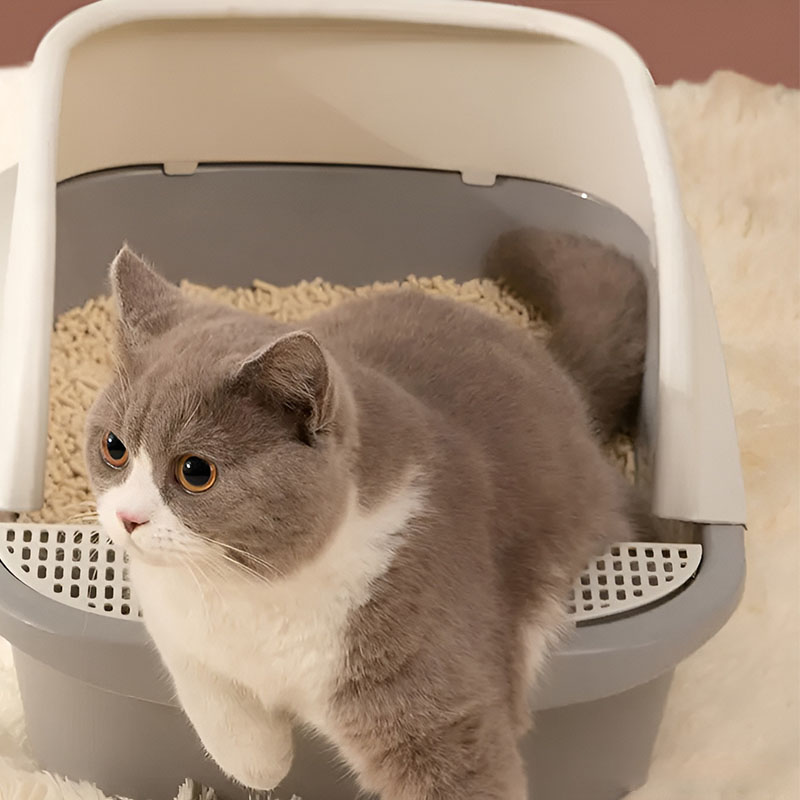
- Используйте комкующиеся подстилки, такие как бентонит, тофу или смешанные составы.
- Избегайте искусственных ароматизаторов, которые могут раздражать дыхательную систему вашей кошки.
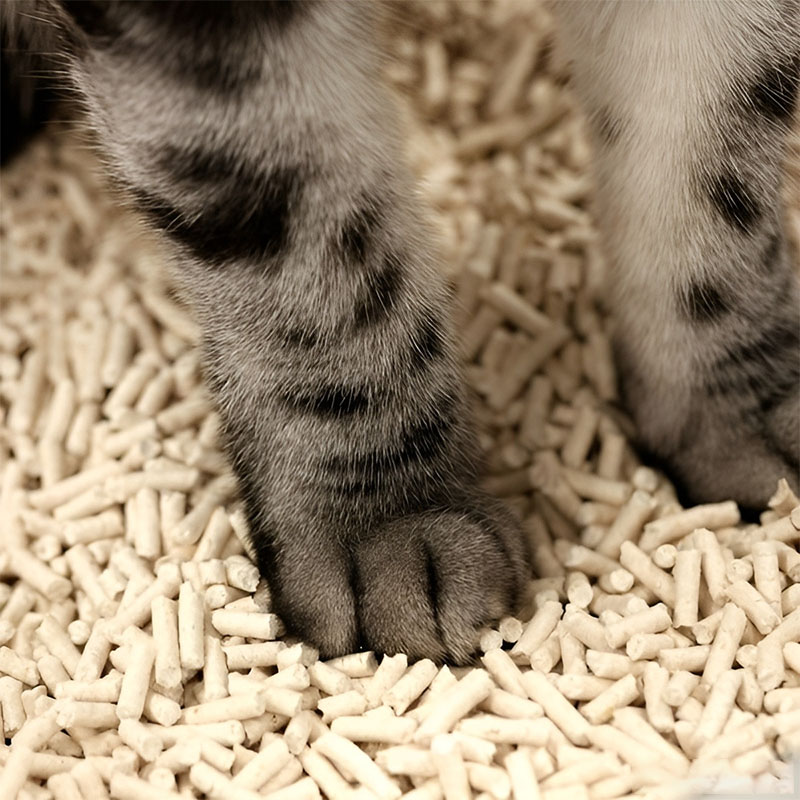
- Выберите правильный размер гранул, чтобы минимизировать слеживание и распространение запаха
Высококачественный наполнитель удерживает влагу и препятствует выделению запаха.
2. Оптимизируйте использование подстилки для предотвращения запаха
Правильное использование играет решающую роль в борьбе с запахом кошачьего туалета.
Поддерживайте идеальную глубину подстилки:
- 2-3 дюйма (5-8 см) для бентонитовой подстилки
- 1-2 дюйма (3-5 см) для подстилки из тофу
Ежедневное обслуживание:
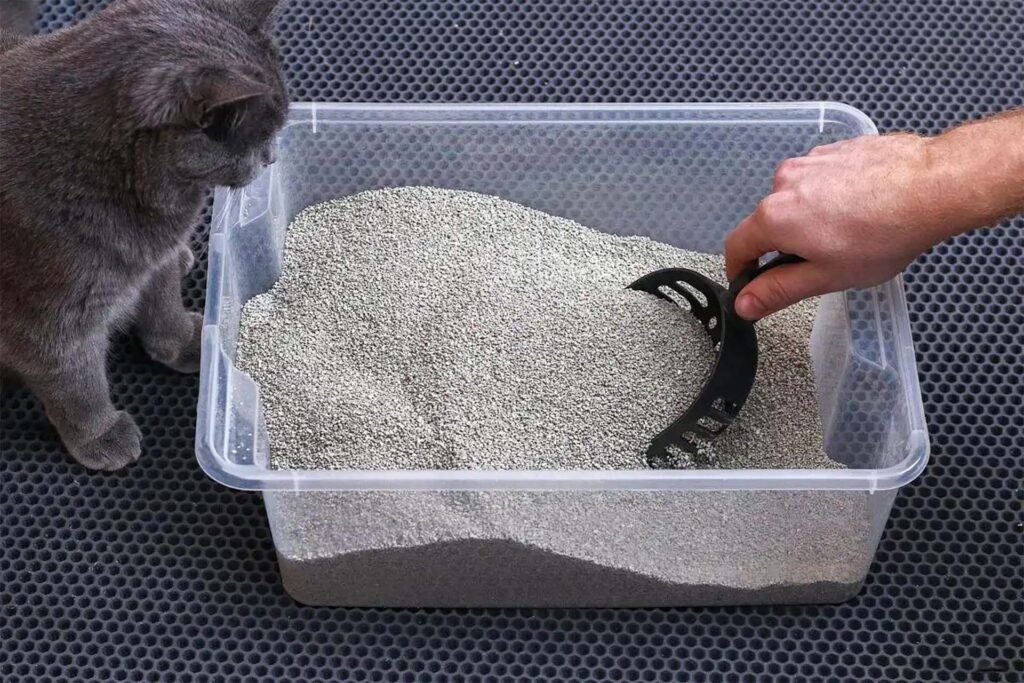
- Выбрасывайте отходы дважды в день (утром и вечером).
- Предотвращает накопление аммиака и бактериальную ферментацию
Полный график замены:
- Бентонитовая подстилка: каждые 7-10 дней
- Подстилка из тофу: каждые 10-15 дней
- Смешанный помет: каждые 7-15 дней
Постоянство держит запахи под контролем.
3. Используйте натуральные, безопасные для кошек дезодорирующие средства
Усильте контроль над запахом кошачьего туалета с помощью безопасных натуральных добавок:
- Активированный уголь (пищевой): Добавьте 50-100 г в коробку; пополняйте запасы каждые 3-5 дней
- Пищевая сода: Не превышайте 5% от общего объема подстилки, чтобы нейтрализовать кислые запахи
- Кукурузный крахмал или бентонитовый порошок: Поглощают избыточную влагу во влажной среде
Эти варианты устраняют запахи, не причиняя вреда вашей кошке.
4. Регулярно чистите туалет
Регулярная уборка необходима для эффективной борьбы с запахом кошачьего туалета.
- Вымойте коробку теплой водой с неароматизированным средством, безопасным для домашних животных
- Тщательно просушите перед добавлением свежего наполнителя.
- Очистите углы и щели ватными тампонами
- Заменить пластмассу
Для большей гигиеничности перейдите на боксы из керамики или нержавеющей стали, которые противостоят накоплению запахов.
5. Улучшите вентиляцию вокруг туалета
Поток воздуха значительно улучшает борьбу с запахами кошачьего туалета.
- Поместите туалет рядом с окном или проветриваемым помещением
- Ежедневно открывайте окна на 1-2 часа
- Используйте натуральные растения, такие как мята или поттос, чтобы освежить воздух
Избегайте химических освежителей воздуха и ароматических свечей, так как они вредны для кошек.
6. Соблюдайте правильную настройку для домов с несколькими кошками
В семьях с несколькими кошками правильное обустройство позволяет усилить контроль за запахом кошачьего туалета.
- Следуйте правилу n+1 (один туалет на кошку и один дополнительный).
- Разместите туалеты в отдельных зонах, чтобы избежать чрезмерного использования
Это уменьшает концентрацию запаха и улучшает гигиену.
Распространенные ошибки, которые портят борьбу с запахом кошачьего туалета
Избегайте этих критических ошибок:
- Использование средств с фенолом, хлором или искусственными отдушками
- Добавление избыточного количества пищевой соды или древесного угля
- Чрезмерная дезинфекция туалета, что вызывает стресс у кошек
- Чистка пластиковых ящиков кипятком приводит к образованию трещин, в которых задерживается запах
Исправление этих ошибок улучшает как чистоту, так и комфорт вашей кошки.
Заключение: Мастерство борьбы с запахами кошачьего туалета
Эффективная борьба с запахом кошачьего туалета требует правильного выбора наполнителя, постоянной уборки, безопасных методов дезодорирования и надлежащей вентиляции. Отдавайте предпочтение натуральным решениям и соблюдайте регулярность, чтобы сохранить свежесть в доме и здоровье вашей кошки.
ЧАСТО ЗАДАВАЕМЫЕ ВОПРОСЫ
Моя кошка отказывается пользоваться туалетом после того, как я добавила в него пищевую соду. Что мне делать?
Уменьшите количество пищевой соды до 3% или меньше и очень тщательно перемешайте ее с наполнителем. Если кошке все равно не нравится, перейдите на пищевой активированный уголь - большинство кошек его вообще не замечают!
В моем доме, где живет несколько кошек, сильно пахнет из туалета. Как я могу быстро это исправить?
Выбрасывайте отходы каждые 4-6 часов (гораздо чаще, чем в домах с одной кошкой). Следуйте правилу n+1 и выделите каждой кошке отдельный туалет. Добавляйте в каждый ящик активированный уголь и хорошо проветривайте помещение в течение дня.
Как безопасно дезодорировать туалет пожилой кошки?
Используйте только физические методы дезодорации. Сразу же выгребайте отходы, добавляйте активированный уголь и ежедневно протирайте коробку теплой водой. Используйте коробку с низкими бортами, чтобы ваша пожилая кошка могла легко входить и выходить из нее, не испытывая дискомфорта.
Мой наполнитель для туалета из тофу больше не справляется с запахами. В чем дело?
Убедитесь, что вы сразу же выгребаете комки, и придерживайтесь графика полной замены подстилки. Если вы живете в регионе с повышенной влажностью, добавьте тонкий слой бентонитового порошка или активированного угля, чтобы повысить эффективность блокировки запаха.
 Russian
  English
  Spanish
  Japanese
  Arabic