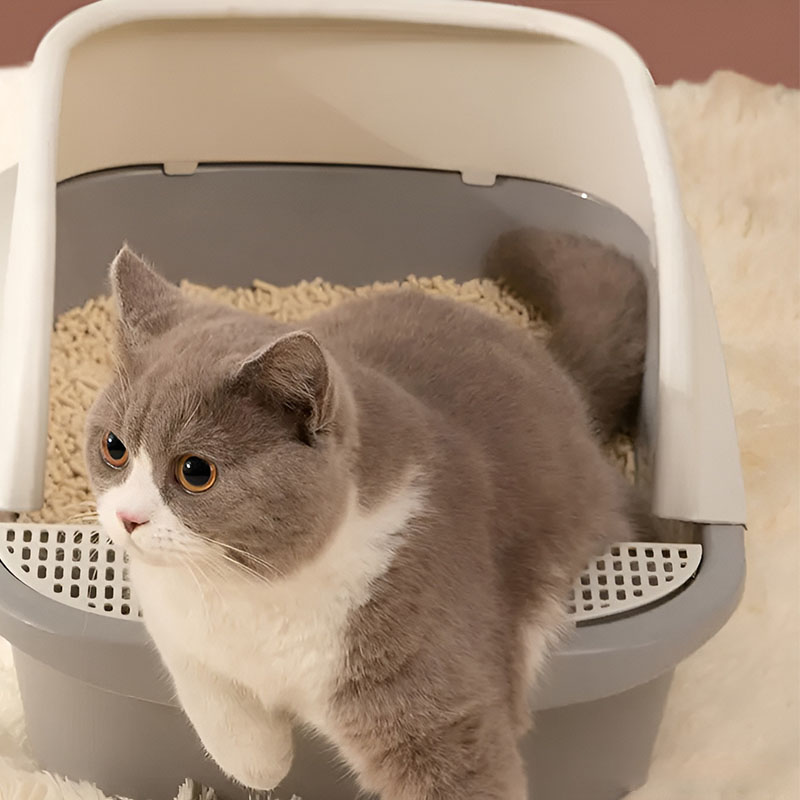
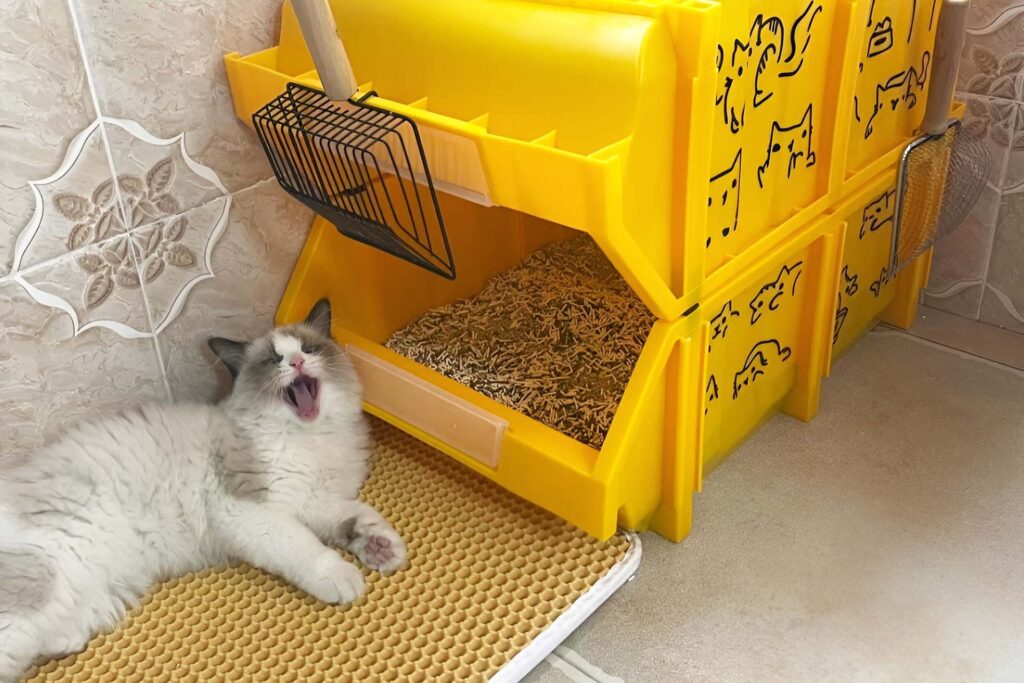
Creating a comfortable home for cat owners hinges on both the cats’ carefree living and a tidy, harmonious household environment. And the Litter Box Placement is a key factor that impacts a cat’s toilet habits and the overall home experience. Cats are inherently sensitive and clean animals, with strict requirements for the quietness, privacy, and ventilation of their toilet area.
Placing the litter box in the wrong spot will not only cause cats to urinate or defecate outside the box and refuse to use it but also lead to odor spread and disrupt daily home life. This article will detail the core principles for optimal Litter Box Placement, specify the various spots to avoid, and provide a scientific placement guide for cat-owning families, ensuring cats can relieve themselves comfortably and the home stays clean.
Core Principles for Litter Box Placement
1. Private and quiet, minimize external disturbances
Cats are extremely vigilant when using the toilet and fear sudden interruptions. The litter box should be placed in a relatively quiet corner of the home to give cats an independent space for relieving themselves, preventing frequent passers-by—whether people or other pets—and sudden appearances. This lets cats defecate with peace of mind. At the same time, avoid placing it near noise sources such as TVs, washing machines, or hair dryers; constant noise will make cats anxious and repel them from using the litter box.
2. Well-ventilated, prevent odor buildup
If the odor from the litter box can’t dissipate in time, it will not only spoil the home environment but also make cleanly cats dislike the toilet area. Choose a well-ventilated spot, such as a corner near a window or the side of a ventilated hallway. There’s no need for direct cold air—just natural air circulation to reduce lingering odors and lower the chance of bacterial growth.
3. Logical access, easy for cats to get in and out
Cats may need to use the toilet frequently, especially kittens, senior cats, or those with sensitive stomachs. The litter box should be placed near the core areas where cats spend their daily time, so they can find it easily and access it quickly. Avoid spots that require detours, climbing, or going up stairs, which may make cats give up using the box due to mobility issues. For multi-cat households, place one litter box in different areas and follow the n+1 rule (n being the number of cats) to prevent competition and queuing.
4. Separate dry and wet areas, keep away from water and food bowls
By nature, cats refuse to relieve themselves near where they eat and drink, and they don’t like their toilet area getting splashed with water. Ensure the litter box is at least 1 meter away from food and water bowls as well as water dispensers. It should also be far from sinks, faucets, washing machines, and other spots prone to water splashes, keeping the litter box area dry and clean to align with cats’ living habits.
5. Adequate space, avoid cramping and depression
The spot for the litter box needs enough surrounding space for cats to move around. Cats will scratch the litter and circle around as a pre-toilet routine, and they also need space to cover their waste afterward. Never squeeze the litter box into narrow gaps or cabinet corners—cramped spaces will make cats feel depressed and ruin their toilet experience.
Spots to Definitely Avoid for Your Litter Box
High-traffic core areas
Places where family members move around constantly, such as next to the living room coffee table, the entrance hallway, or beside the dining table, are big no-nos for the litter box. The heavy foot traffic means cats will be constantly disturbed while using the toilet, easily causing stress. Over time, they’ll refuse to use the litter box.
Additionally, litter will be tracked out in busy areas, spoiling the home’s tidiness, and odors will spread directly into living spaces, disrupting the family’s daily life.
Small, enclosed, poorly ventilated spaces
Never place the litter box in airtight, cramped spots like inside wardrobes, balcony storage cabinets, or windowless bathroom corners. These areas have poor air circulation, so the odor from cats’ waste will build up quickly, creating unpleasant stinky nooks. They also breed bacteria and mold, which is harmful to the health of both cats and their owners. What’s more, the oppressive feeling of enclosed spaces will make cats resistant to using the box, and some cats may not be able to cover their waste properly due to limited space, worsening the hygiene of the litter box.
Noise and vibration sources
Appliances like washing machines, dryers, refrigerators, TVs, and speakers emit constant noise or vibration, and cats are extremely sensitive to these sounds. Noise interference while using the toilet will leave cats in a state of high mental tension, and they may even associate relieving themselves with fear, leading to inappropriate elimination. Meanwhile, vibrations from running appliances will make the litter box shake, disrupting cats’ normal toilet use and possibly causing litter to spill out.
Cats’ food and water areas
Cats have an extremely sharp sense of smell and high standards for the cleanliness of their eating areas. Placing the litter box next to food and water bowls will cause intense discomfort for cats, leading them to refuse food, water, or the litter box itself. Even if the two areas are in the same room with a certain distance apart, cats may still feel repelled. It’s recommended to completely separate the feeding and toilet areas, placing them in different rooms or independent corners.
Temporary hiding spots prone to disturbance
Seemingly private spots like under the sofa, bed, or dining table are actually highly prone to interruptions. Family members may accidentally bump into a cat using the toilet while cleaning or walking around, scaring the cat badly. These spots also have dim lighting and are hard to clean, making it easy for litter and fecal residue to build up—they can quickly become hygiene dead spots.
Outdoor drafts and direct air conditioner vents
Spots such as open balcony drafts, direct window breezes, and the direct blast of hot or cold air from air conditioners will expose cats to strong winds while they use the toilet. Cold winter winds and hot summer air will make cats extremely uncomfortable. Strong gusts can also blow litter around, dry out and clump the litter in the box, and reduce its usability. Outdoor drafts on rainy days may even let rain splash into the litter box, making the litter damp and moldy.
Litter Box Placement Suggestions for Different Home Types
1. Small apartments
Opt for a windowed bathroom corner, a quiet side of the study, or a ventilated unused corner of the balcony. Use the spare space next to storage cabinets for placement, ensuring there’s no nearby noise and the area doesn’t interfere with family activities. Also, make sure to separate dry and wet areas and keep the box away from the sink.
2. Large houses
Place a litter box in areas like the living room’s secondary bedroom, the end of a hallway, or the balcony’s leisure zone. Follow the placement principles for multi-cat households to ensure each cat has its own dedicated toilet space, and keep the boxes far from core living areas and food/water spots.
3. Duplexes/villas
Put a litter box on every floor to save cats the trouble of going up and down stairs to use the toilet—this is especially important for senior cats and kittens. Choose a quiet corner on each floor, such as an unused area next to the stairs or a side corner of a bedroom, and ensure good ventilation and privacy.
Ultimately, litter box placement is about respecting cats’ natural instincts and living habits. A proper toilet spot helps cats develop good toilet habits and reduces inappropriate elimination, while also keeping the home cleaner and more comfortable for the whole family. By avoiding the above forbidden spots and abiding by the core principles of privacy, ventilation, and accessibility, you’ll find the perfect place for your cat’s litter box—one that lets both your cats and your family enjoy a pleasant home life.
 Russian
  English
  Spanish
  French
  Indonesian