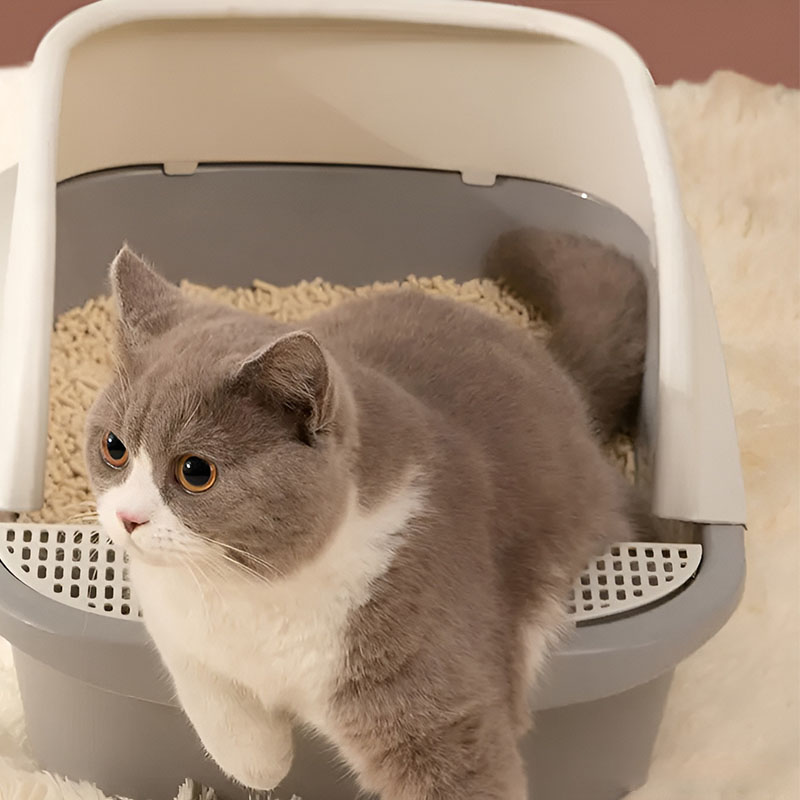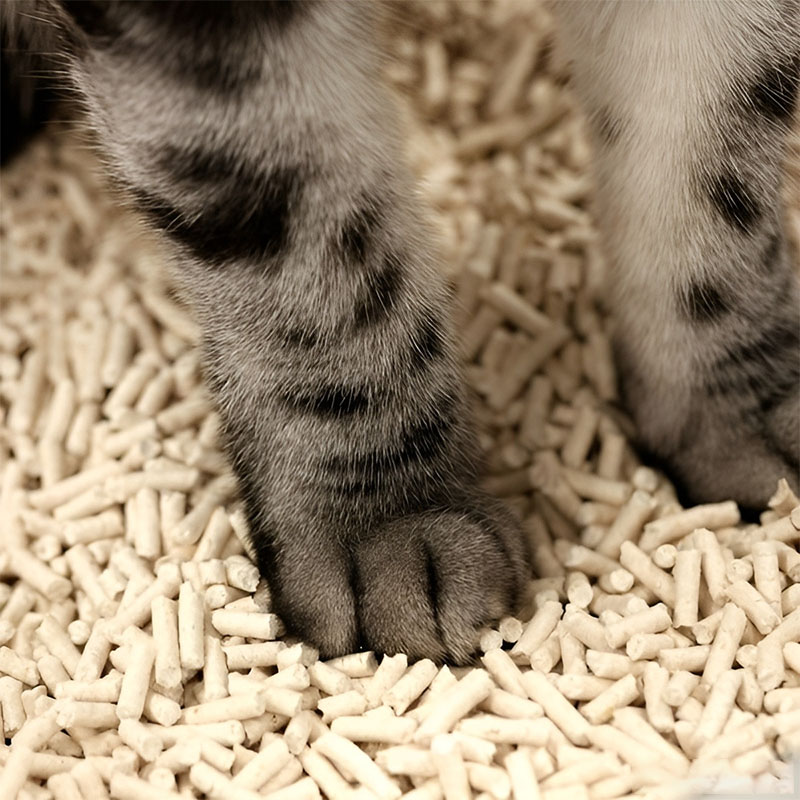
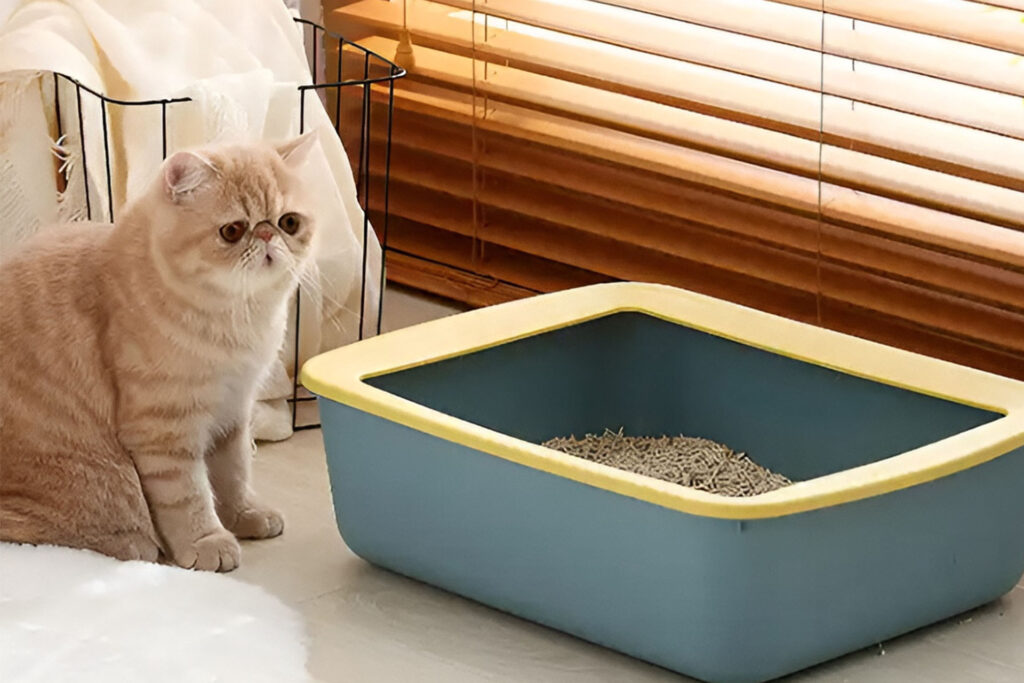
Для современных родителей кошек контроль запаха кошачьего туалета — это, пожалуй, одна из самых неприятных домашних головных болей, с которыми они могут столкнуться. Когда ваша кошка пользуется туалетным лотком, ее отходы со временем разлагаются, выделяя раздражители, такие как аммиак и сероводород — запахи, которые не только делают ваш дом неприятным, но и затуманивают воздух в помещении, снижают общее качество жизни и даже представляют угрозу для здоровья.
Эти газы способствуют размножению вредных бактерий и плесени, угрожающих здоровью дыхательных путей и состоянию кожи как вашего любимого питомца, так и всех членов семьи. Многие владельцы кошек делают всё возможное, чтобы справиться с этой проблемой: ежедневно убирают туалет, часто меняют наполнитель и даже регулярно моют сам лоток, однако, переступая порог дома, всё равно ощущают этот знакомый неприятный запах — запах, который въедается в мебель, оседает на стенах и сохраняется неделями, как бы тщательно вы ни проводили уборку.
На самом деле, чтобы надолго избавиться от неприятного запаха из кошачьего туалета, недостаточно просто выбрать «правильный» наполнитель — необходим комплексный подход. Он включает в себя грамотный выбор материалов, соблюдение правил использования, регулярную уборку, удачное размещение лотка и даже использование дополнительных полезных средств. Благодаря научному и системному подходу вы сможете нейтрализовать запахи непосредственно в источнике, быстро блокировать их распространение и дольше сохранять свежесть туалета, обеспечивая комфортную жизнь себе и своему питомцу без постоянного дискомфорта от неприятного амбре.
В этом руководстве собрано всё, что вам нужно знать: от истинных причин появления запаха из лотка до выбора лучшего наполнителя, правил его использования и эффективной уборки. Вы узнаете, как обустроить пространство, какие безопасные средства для устранения запахов стоит применять, каких ошибок следует избегать, а также найдете ответы на самые частые вопросы. В итоге у вас будет готовый план действий, который поможет сохранить свежесть в доме и обеспечить комфорт вашей кошке.
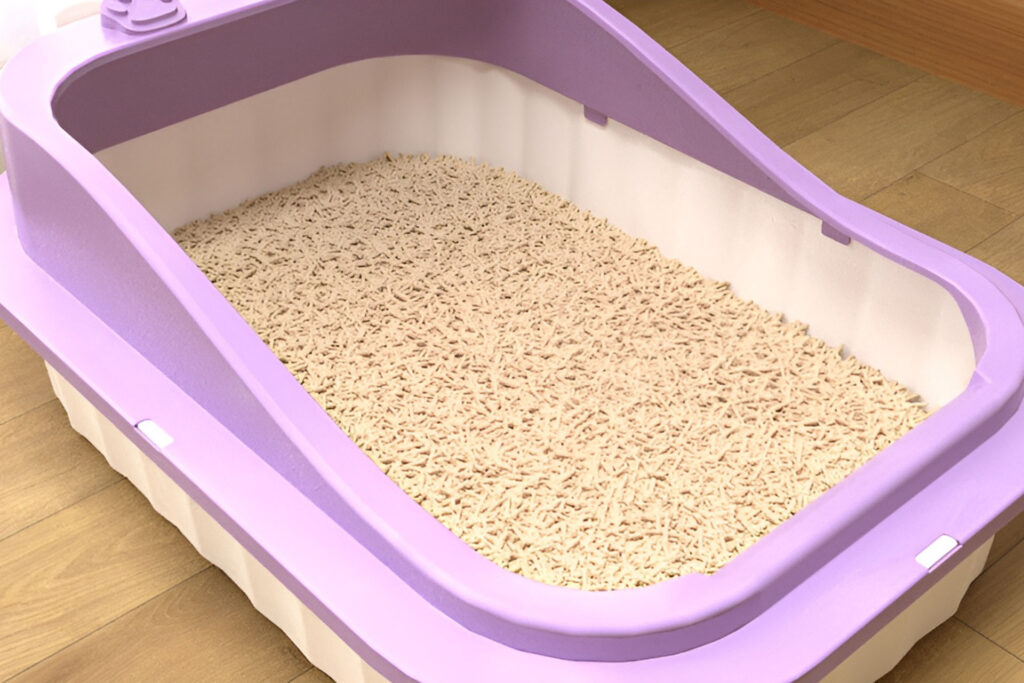
Откуда берется запах из кошачьего туалета? Устраните причину, чтобы избавиться от запаха.
Чтобы надолго и эффективно избавиться от неприятного запаха кошачьего туалета, нужно прежде всего понять, как именно этот запах возникает. Многие владельцы кошек тратят время впустую, пытаясь просто замаскировать запах освежителями воздуха или постоянно меняя марки наполнителя, но не устраняя при этом саму проблему. Неприятный запах из лотка не имеет одной-единственной причины — это результат сочетания пяти ключевых факторов: самих продуктов жизнедеятельности кошки, процессов бактериального разложения, потери наполнителем своих свойств, повышенной влажности в помещении и недостаточного ухода за лотком. Давайте подробно разберем каждый из этих факторов.
1. Основные источники запаха: химическое разложение кошачьих экскрементов
(1) Запах мочи (более 70% от общего запаха)
Кошачья моча содержит множество веществ — таких как мочевина, мочевая кислота и креатинин, — которые поначалу могут не иметь резкого запаха. Однако при контакте с воздухом они быстро расщепляются под действием фермента уреазы. В ходе этой химической реакции выделяется аммиак — именно он создает тот самый едкий, неприятный запах, который так раздражает владельцев. Аммиак обладает сильным раздражающим действием и быстро распространяется в воздухе; при высоких концентрациях он способен вызвать ожог нежных дыхательных путей как у кошек, так и у людей. Это может привести к кашлю, чиханию, насморку и даже более серьезным проблемам, таким как ринит (особенно у котят или кошек с чувствительными дыхательными путями). Чем больше в доме кошек или чем чаще животное мочится (например, из-за повышенного потребления воды по состоянию здоровья), тем интенсивнее и быстрее появляется запах; владельцам нескольких кошек зачастую бывает крайне сложно справиться с этой проблемой.
(2) Запах кала
Запах кошачьих экскрементов обусловлен смесью газов, которые выделяются в процессе переваривания пищи кишечными бактериями. К таким газам относятся сероводород (с запахом тухлых яиц), индол и скатол — именно они создают тот характерный, резкий и неприятный запах, который невозможно не заметить. В отличие от запаха мочи, который быстро распространяется в воздухе, запах экскрементов обладает свойством «прилипать»: он въедается в гранулы наполнителя, оседает на стенках лотка и даже может остаться на лапах кошки, если она наступит в свои испражнения. Если не убрать экскременты сразу, они продолжат источать этот запах, а при смешивании с аммиаком из мочи образуется зловоние, от которого еще труднее избавиться.
2. Что способствует более быстрому распространению запаха
(1) Наполнитель перестает работать
Не все наполнители одинаковы, и даже качественный продукт со временем может утратить свои свойства. Наполнитель, который плохо впитывает влагу, образует рыхлые комки или слабо удерживает запахи, не способен достаточно быстро изолировать отходы жизнедеятельности кошки; в результате неприятные запахи не блокируются, а распространяются в воздухе. Кроме того, если наполнитель отсыревает (из-за протекающего лотка, высокой влажности или брызг воды) или начинает превращаться в пыль, он полностью теряет способность поглощать запахи. Вместо того чтобы удерживать их внутри, он превращается в своеобразный «резервуар для запахов», накапливая неприятные ароматы, из-за чего воздух в доме становится всё более зловонным по мере использования такого наполнителя.
(2) Размножаются бактерии и плесень
Влажный и теплый кошачий туалет — идеальная среда для размножения бактерий и плесени. Эти микроорганизмы активно развиваются во влажных условиях и ускоряют процесс разложения продуктов жизнедеятельности питомца, из-за чего концентрация неприятного запаха может увеличиться вдвое или даже втрое за короткое время. Они не только усиливают запах, но и придают ему гнилостный, затхлый оттенок, создавая в доме ощущение нечистоты. Для самих кошек контакт с такими бактериями и плесенью может обернуться раздражением кожи или проблемами с дыханием, особенно если у животного есть аллергия или ослабленный иммунитет.
(3) Неправильные привычки при уборке
Одна из самых распространенных ошибок владельцев кошек — экономия на уборке. Если насыпать слишком мало наполнителя (в попытке сэкономить), редко убирать экскременты или никогда не проводить тщательную чистку самого лотка, на дне будут скапливаться остатки отходов и пятна. Со временем эти загрязнения начинают разлагаться, создавая стойкий неприятный запах, от которого практически невозможно избавиться — даже при полной замене наполнителя. Пятна въедаются в пластик лотка, а живущие в них бактерии продолжают источать запах, из-за чего кажется, что от лотка всегда пахнет, что бы вы ни предпринимали.
(4) Неблагоприятные условия окружающей среды
Место, где стоит кошачий туалет, существенно влияет на распространение запахов. Если поставить его в закрытом, сыром и душном уголке (например, в тесном шкафу или ванной комнате без окон), запахам некуда будет улетучиваться — они станут накапливаться и застаиваться, из-за чего воздух в этом месте будет становиться всё более неприятным. Высокая температура также усугубляет проблему: в тепле ускоряется химический распад продуктов жизнедеятельности кошки, в результате чего запахи высвобождаются интенсивнее и распространяются по дому быстрее обычного.
Главный вывод прост: запахи нельзя просто маскировать — нужно устранять их первопричину. Сочетая блокировку запаха в источнике, быстрое поглощение, длительный контроль и надлежащую вентиляцию, вы сможете добиться реального и стойкого устранения запаха кошачьего туалета, а не просто временного эффекта, который исчезнет через несколько часов.
Выберите правильный наполнитель: 70% успеха зависит от материала.
Наполнитель для кошачьего туалета — это ваш главный союзник в борьбе с неприятными запахами: правильный выбор обеспечивает 70% успеха в поддержании свежести в доме. Лучший наполнитель — это не тот, у которого самый сильный аромат (на самом деле, такие варианты часто оказываются худшими), а тот, который быстро впитывает влагу, образует плотные комки, надежно удерживает запахи внутри и не имеет резких или искусственных отдушек. Сильные ароматы могут казаться удачным решением, но на деле они лишь смешиваются с неприятным запахом, создавая еще более тяжелое и зловонное амбре. Кроме того, они могут раздражать чувствительный нос кошки и заставить ее избегать лотка (а это уже совсем другая, серьезная проблема!). Вот как выбрать идеальный наполнитель, который надолго избавит ваш дом от неприятных запахов.
1. Рейтинг эффективности контроля запаха: сравнение популярных видов наполнителей
Различные виды наполнителей для кошачьего туалета существенно различаются по способности удерживать запахи, а также по впитываемости, комкованию, уровню пыльности и удобству уборки. Чтобы помочь вам с выбором, мы составили рейтинг самых популярных видов наполнителей, оценив их эффективность в борьбе с запахами, а также выделив их преимущества, недостатки и условия, для которых они подходят лучше всего.
(1) Sodium Бентонитовая подстилка (Odor-Control Champion)
Это «золотой стандарт» среди наполнителей для кошачьего туалета в плане устранения запахов — и вполне заслуженно. Он производится из натурального натриевого бентонита — разновидности глины, содержащей не менее 85% монтмориллонита (минерала с уникальной слоистой кристаллической структурой). При контакте с мочой наполнитель впитывает жидкость всего за 1–2 секунды, образуя плотные, крепкие комки, которые удерживают внутри 98% и более аммиака и сероводорода. Многие производители также добавляют в состав активированный уголь или цеолит, помогающие нейтрализовать любые запахи, которые могут просочиться сквозь комки. И что особенно приятно: в нем нет химических отдушек, поэтому он не раздражает чувствительный нос кошки, а еще он очень экономичен — при правильном использовании одного пакета хватает на несколько недель. Единственный минус — его нельзя смывать в унитаз (это может привести к засору труб), однако такой наполнитель идеально подойдет владельцам, для которых важна надежная защита от запаха, тем, у кого живет несколько кошек, или тем, кто хочет сэкономить.
(2) Минерально-растительный наполнитель (универсальный)
Если вы ищете идеальный баланс преимуществ, этот наполнитель — то, что нужно. Чаще всего используется следующая пропорция: 70% натриевого бентонита (для образования прочных комков и надежного удержания запаха), 25% наполнителя из тофу (для минимизации пыли и удобства уборки) и 5% активированного угля (для дополнительного поглощения запахов). Эта смесь сочетает в себе способность минеральных наполнителей образовывать плотные комки и эффективно нейтрализовать запахи с такими достоинствами растительных наполнителей, как низкое пылеобразование и возможность частичной утилизации в канализацию. Наполнитель нейтрализует запахи более чем на 95%, его легко убирать, и он отлично подходит для любых условий — будь то одна кошка или три, небольшая квартира или просторный дом. Это также прекрасный выбор для тех, кто только начинает заботиться о кошке, поскольку такой наполнитель прост в использовании и «прощает» некоторые ошибки в уходе.
(3) Activated Carbon Tofu Litter (Fresh cat litter odor control)
Этот наполнитель, изготовленный из натуральных компонентов (таких как гороховые волокна и кукурузный крахмал), пользуется популярностью у владельцев кошек, предпочитающих продукты на растительной основе. В его состав входят гранулы активированного угля с ячеистой структурой, эффективно удерживающие молекулы неприятного запаха. Наполнитель можно смывать в унитаз (продукция большинства марок безопасна для септиков), он практически не пылит и обладает мягким натуральным ароматом, не раздражающим кошек. Это идеальный вариант для домов, где живет одна кошка, для небольших квартир (где удобно смывать отходы в канализацию) или для владельцев, ищущих более экологичное решение. Единственный недостаток заключается в том, что образуемые им комки менее плотные, чем у бентонитовых наполнителей, а при нерегулярной уборке со временем может появиться слабый неприятный запах; поэтому такой наполнитель служит не так долго, как бентонитовый.
(4) Цеолитовый наполнитель (минеральная адсорбция)
Этот наполнитель изготовлен из натурального цеолита — пористого минерала, который благодаря ионному обмену поглощает запахи и сдерживает размножение бактерий. Он безопасен, экономичен и пригоден для многократного использования (достаточно удалять твердые отходы, чтобы продолжать пользоваться наполнителем в течение нескольких недель), что делает его отличным выбором для кошек с чувствительными дыхательными путями или аллергией. В его составе нет ароматизаторов, а сам материал практически не пылит, поэтому он не будет раздражать нос ни у питомца, ни у вас. К недостаткам можно отнести более высокую стоимость по сравнению с другими наполнителями и то, что он плохо образует комки; поэтому для удобства уборки его рекомендуется использовать в сочетании с комкующимся наполнителем (например, на основе натриевого бентонита).
2. 3 важные характеристики наполнителя, удерживающего запах
(1) Блокировка запаха > интенсивность аромата
При выборе наполнителя для кошачьего туалета всегда отдавайте предпочтение способности удерживать запах, а не интенсивности собственного аромата продукта. Ищите наполнители, в которых для нейтрализации запахов используются физические методы — например, активированный уголь, цеолит или нанокристаллы минералов, — а не химические отдушки. Физические способы нейтрализации работают за счет «улавливания» молекул запаха; это обеспечивает длительный эффект и безопасно как для вас, так и для питомца. Химические же отдушки лишь временно маскируют запахи, не устраняя их, а при смешивании с аммиаком могут создавать еще более неприятный «аромат». Кроме того, в их состав часто входят агрессивные химические вещества, раздражающие чувствительный нос кошки, из-за чего животное может начать избегать лотка.
(2) Образование плотных комков = лучшее удержание запаха
Чем плотнее комки, которые образует наполнитель, тем лучше он удерживает запахи. Плотные, прочные и непыльные комки полностью обволакивают экскременты, не давая запаху распространяться и смешиваться с чистым наполнителем. Напротив, рыхлые комки легко рассыпаются, оставляя в лотке мелкие частицы отходов и пропитанный мочой наполнитель; со временем эти частицы начинают разлагаться, становясь источником неприятного запаха во всем лотке. Полезный совет: выбирайте наполнитель с показателем прочности комка 80% и выше (эта информация обычно указана на упаковке).
(3) Пыле- и влагозащищенные модели служат дольше.
Пыль может показаться незначительной мелочью, но на самом деле она существенно влияет на то, как долго наполнитель сохраняет свои свойства. Пыльный наполнитель легко впитывает влагу, из-за чего начинает крошиться и теряет способность к адсорбции — а значит, перестает удерживать запахи. Наполнители премиум-класса с низким содержанием пыли проходят дополнительную обработку: их прокаливают (нагревают до высоких температур для удаления влаги), многократно фильтруют для очистки от пыли и часто покрывают специальным составом, отталкивающим влагу. Благодаря этому они становятся более устойчивыми к воздействию жидкости и дольше остаются сухими и эффективными. Выбирайте наполнитель с содержанием пыли 0,1% или ниже — ваш нос (и нос вашей кошки) скажут вам спасибо.
3. Избегайте этих наполнителей (даже если они дешевые)
- Дешевый бентонит без бренда и без проверки качества: Такие наполнители обычно изготавливают из глины на основе кальция, а не натриевого бентонита, поэтому в них низкое содержание монтмориллонита. Они образуют рыхлые комки, сильно пылят и практически не удерживают запахи — в итоге наполнитель приходится менять каждые несколько дней, что в конечном счете обходится дороже.
- Сильно ароматизированный наполнительНаполнители с сильными отдушками (например, с запахом лаванды, лимона или ванили) поначалу могут приятно пахнуть, но они совершенно неэффективны в борьбе с неприятным запахом. Они лишь маскируют запахи, а не устраняют их; к тому же, смешиваясь с аммиаком, отдушка создает еще более резкий и неприятный запах. Кроме того, такие наполнители раздражают дыхательные пути кошек, из-за чего животные могут начать избегать лотка и справлять нужду в неположенных местах — а это уже гораздо более серьезная проблема.
- Отсыревший или просроченный наполнительЕсли наполнитель отсырел, сбился в комки или у него истек срок годности, он уже утратил свои адсорбирующие свойства. Его использование лишь усугубит проблему с запахом, так как такой наполнитель станет средой для размножения бактерий и будет удерживать запахи, вместо того чтобы нейтрализовать их. Всегда проверяйте срок годности на упаковке и храните наполнитель в сухой, герметичной емкости, чтобы предотвратить попадание влаги.
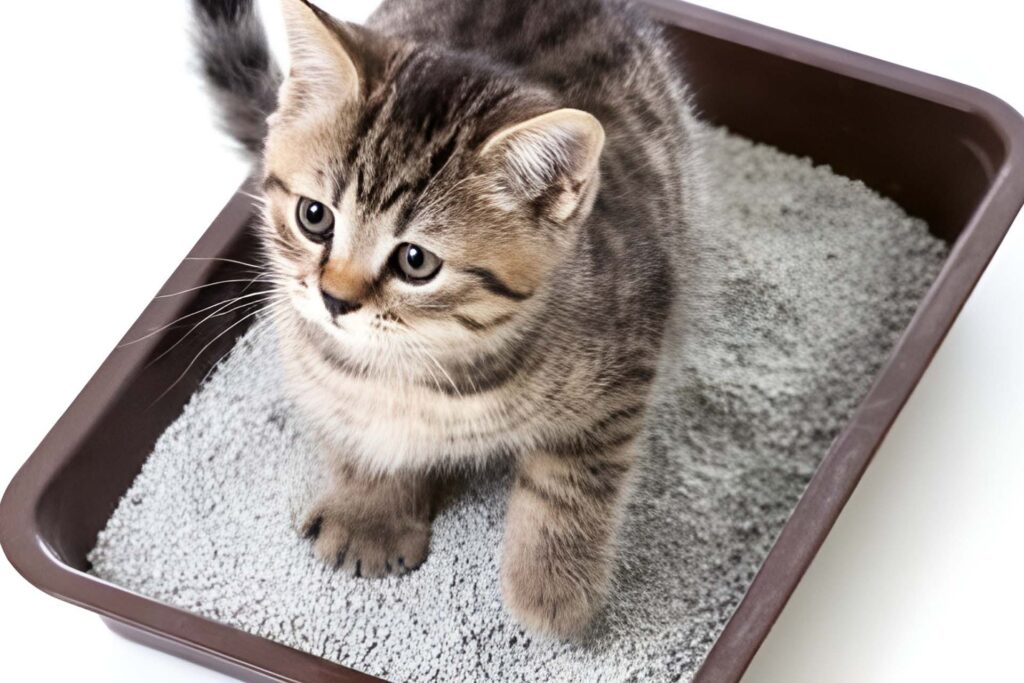
Правильное использование наполнителя: 3 совета, как вдвое повысить эффективность устранения запаха
Даже если вы выберете лучший наполнитель из представленных на рынке, он не будет работать эффективно при неправильном использовании. Многие владельцы кошек тратят деньги на дорогой наполнитель, но сводят на нет все его преимущества из-за ошибок в уходе за лотком. К счастью, следовать этим трем простым советам совсем несложно: они позволят продлить срок службы наполнителя (в плане удержания запахов) на 30–50%, сэкономив ваши средства и сохранив свежесть в доме.
1. Важна глубина: слой достаточно толстый, чтобы удерживать запахи.
Одна из самых распространенных ошибок владельцев кошек — использование слишком малого количества наполнителя: они думают, что экономят, но на самом деле лишь усугубляют проблему с запахом. Если наполнителя мало, кошка может докопаться до дна лотка, и моча впитается в пластик, а не в сам наполнитель. В результате образуются стойкие, дурно пахнущие пятна, которые трудно отмыть, и неприятный запах сохраняется даже после уборки. Со временем эти пятна накапливаются, создавая тот самый «запах со дна», о котором мы говорили ранее.
- Стандартная глубина слоя: для домов, где живет одна кошка, рекомендуется насыпать 5–6 см наполнителя. Если кошек несколько, лучше увеличить слой до 6–8 см: больше животных — больше отходов, поэтому требуется больше наполнителя для удержания запахов. Если у вас крупная кошка или животное, которое много мочится (например, пожилая кошка или питомец с проблемами со здоровьем), для дополнительной защиты можно увеличить слой до 8–10 см.
- Метод послойного насыпания (продвинутый уровень): если вы хотите максимально эффективно устранять запахи кошачьего туалета, попробуйте этот метод. Начните с укладки на дно лотка 2-сантиметрового слоя натриевого бентонитового наполнителя — он служит барьером, предотвращающим впитывание мочи в материал лотка. Затем насыпьте 1-сантиметровый слой наполнителя с добавлением активированного угля: этот дополнительный слой помогает нейтрализовать запахи, которые могут просочиться сквозь верхний слой. Наконец, сверху насыпьте 3–4 см основного наполнителя — это обеспечит кошке комфортную поверхность для ходьбы и позволит формировать плотные комки, удерживающие запахи внутри. Такая трехслойная система особенно эффективна, если в доме живет несколько кошек или если проблема неприятного запаха стоит особенно остро.
- Никогда не насыпайте меньше 3 см наполнителя, пытаясь «сэкономить». Поначалу это может показаться разумным решением, но в итоге вам придется менять наполнитель вдвое чаще (так как неприятный запах появится быстрее) и бороться с трудновыводимыми пятнами и запахами. В конечном счете это обойдется дороже и доставит больше хлопот.
2. Не смешивайте разные виды наполнителя: лучше всего использовать материал одного типа.
Возникает соблазн смешать разные виды наполнителя, чтобы получить «лучшее от каждого из них» — например, соединить бентонит (ради образования комков) с наполнителем из тофу (который можно смывать в унитаз) или с силикагелем (для эффективного устранения запаха). Однако это серьезная ошибка. У разных материалов различаются скорость впитывания, принцип образования комков и плотность гранул. При смешивании они мешают работе друг друга: комки рассыпаются, моча протекает сквозь слой наполнителя, а сам он быстрее начинает пылить. В результате проблема с запахом не решается, а лишь усугубляется.
- Правило: используйте только один вид наполнителя или готовую смесь, компоненты которой подобраны для совместного использования. Готовые смеси (например, упомянутая ранее комбинация минеральных и растительных материалов) разработаны так, чтобы сочетать лучшие свойства различных компонентов, не снижая при этом их эффективности.
- Исключение: из этого правила есть одно исключение — на дно лотка перед засыпкой основного наполнителя можно нанести тонкий слой гранулированной пищевой соды (не соды в виде мелкого порошка). Пищевая сода — это природный нейтрализатор запахов: она помогает впитывать влагу и устранять кислый запах мочи, не препятствуя при этом комкованию наполнителя. Главное — использовать именно гранулированную соду, так как мелкодисперсный порошок может вызвать раздражение дыхательных путей у кошки при вдыхании.
3. Досыпка наполнителя: поддержание уровня и экономия
Необязательно полностью менять наполнитель в лотке каждый раз, когда его уровень снижается; вместо этого просто регулярно подсыпайте свежий слой, чтобы поддерживать оптимальную глубину. При уборке отходов часть наполнителя удаляется, а со временем гранулы могут пылить или разрушаться. Если слой наполнителя станет слишком тонким, его способность удерживать запахи резко снизится. Досыпая наполнитель 1–2 раза в неделю, вы поддерживаете нужный уровень, обеспечивая его эффективную работу. Это не только экономит ваши средства (поскольку полную замену содержимого лотка приходится делать реже), но и позволяет лучше контролировать запахи. Если в доме живет одна кошка, 10-килограммового мешка качественного наполнителя, удерживающего запахи, при регулярном досыпании может хватить на 1–2 месяца — а это существенная экономия!
Уборка — залог отсутствия запаха от кошачьего туалета: регулярная очистка и тщательная мойка
Если и стоит запомнить что-то одно о борьбе с запахом из кошачьего туалета, так это правило: «30% успеха зависит от наполнителя, а 70% — от уборки». Даже самый лучший в мире наполнитель не спасет от ужасного запаха, если не ухаживать за лотком должным образом. Секрет отсутствия неприятного запаха прост и состоит из двух частей: ежедневного удаления экскрементов (чтобы устранить источник запаха) и еженедельной тщательной чистки (чтобы избавиться от стойкого запаха, въевшегося в дно лотка). Делайте и то, и другое — и вам больше никогда не придется страдать от неприятного запаха в кошачьем туалете.
1. Ежедневная уборка: 1–2 раза в день
Ежедневная уборка — самый эффективный и простой способ борьбы с запахом из кошачьего туалета. Своевременно удаляя отходы, вы предотвращаете их разложение бактериями, что само по себе позволяет устранить 70% и более неприятного запаха в доме. Чем дольше отходы остаются в лотке, тем больше времени у бактерий на их разложение и тем сильнее становится запах.
Частота: Если в доме одна кошка, убирайте лоток дважды в день — утром и вечером; это гарантирует, что отходы не будут лежать в нем дольше 12 часов. В домах, где живут несколько кошек, убирать лоток придется 2–3 раза в день, так как отходов образуется больше. По возможности старайтесь убирать лоток в течение часа после того, как кошка им воспользовалась: в это время отходы еще свежие, а неприятный запах не успел распространиться.
Инструмент: Используйте совок с мелкими отверстиями (диаметром 3,8 мм или меньше). Это позволит отсеивать небольшие комочки мочи и мелкие частицы фекалий, которые легко пропустить при использовании обычного совка. Эти мелкие, незаметные фрагменты — те самые «невидимки»: они смешиваются с чистым наполнителем, со временем начинают разлагаться и становятся источником неприятного запаха во всем лотке. При уборке удаляйте только комочки и фекалии, оставляя сухой чистый наполнитель в лотке. Это помогает сэкономить средства и сохраняет эффективность наполнителя.
2. Глубокая очистка: раз в неделю для устранения стойких запахов.
Ежедневная уборка лопаткой отлично подходит для удаления отходов с поверхности, но она не позволяет избавиться от пятен и бактерий, скапливающихся на стенках лотка — особенно на дне и в углах. Именно они становятся причиной стойкого неприятного запаха, который сохраняется даже после замены наполнителя. Поэтому хотя бы раз в неделю необходимо проводить тщательную чистку лотка.
Частота: Для большинства домов достаточно проводить такую уборку раз в неделю. Однако, если у вас несколько кошек или вы живете в условиях жаркого и влажного климата (способствующего быстрому размножению бактерий), для предотвращения появления неприятных запахов следует проводить тщательную чистку каждые 5 дней.
Шаги:
a. Полностью удалите старый наполнитель из лотка и утилизируйте его надлежащим образом. Не оставляйте остатков наполнителя — даже небольшое их количество может стать источником размножения бактерий.
b. Тщательно промойте лоток теплой водой, чтобы удалить остатки загрязнений или наполнителя. Затем вымойте лоток изнутри, используя безопасное для животных нейтральное моющее средство, пищевую соду или разбавленный белый уксус. Особое внимание уделите дну, углам, а также любым щелям и углублениям — именно там чаще всего скапливаются загрязнения и размножаются бактерии. Пищевая сода и уксус — отличные натуральные средства; они безопасны для кошек и эффективно устраняют пятна от мочи.
c. Снова промойте лоток теплой водой, чтобы удалить остатки чистящего средства. Даже незначительное количество остатков может вызвать раздражение подушечек лап или носа у кошки, из-за чего она может перестать пользоваться лотком.
d. Поместите лоток в хорошо проветриваемое место для полного высыхания на воздухе. Если есть возможность, вынесите его на 30 минут на солнце: солнечный свет помогает естественным образом уничтожить бактерии и устранить запахи. Сухой лоток — залог предотвращения размножения бактерий и сохранения эффективности свежего наполнителя.
Никогда не используйте агрессивные чистящие средства, такие как дезинфицирующие составы (например, «84»), спирт или отбеливатель. Они оставляют сильный, стойкий запах, из-за которого кошка может начать избегать лотка. Кроме того, в их состав входят химические вещества, способные нанести вред здоровью животного при контакте или вдыхании испарений.
3. Полная замена наполнителя: не ограничивайтесь досыпанием
Досыпание наполнителя отлично помогает поддерживать нужный слой, но делать это бесконечно нельзя. Со временем даже самый качественный наполнитель пропитывается мочой и фекалиями, а содержащиеся в нем бактерии начинают активно размножаться. В результате наполнитель перестает удерживать запахи, и от лотка начинает исходить неприятный запах — как бы тщательно вы ни убирали загрязнения. Именно поэтому необходимо регулярно полностью менять наполнитель.
- Расписание: Если вы используете качественный наполнитель, эффективно удерживающий запахи (например, на основе натриевого бентонита или минерально-растительной смеси), полностью меняйте его каждые 7–10 дней. Более дешевые наполнители низкого качества требуют замены каждые 3–5 дней, так как они быстрее теряют свои свойства. В жаркую и влажную погоду сократите этот интервал на 1–2 дня, чтобы предотвратить размножение бактерий и появление неприятного запаха.
Настройка среды: обеспечьте отвод запахов
Каким бы качественным ни был наполнитель и как бы часто вы ни убирали, неудачное расположение лотка всё равно приведет к появлению неприятного запаха. Правильно организованное пространство способствует выветриванию запахов, не давая им скапливаться, что значительно облегчает задачу наполнителя. Даже небольшие изменения в месте установки лотка и условиях содержания могут существенно повлиять на свежесть воздуха в вашем доме.
1. Размещение лотка: правильное место сокращает запах вдвое.
Лучший: Выберите хорошо проветриваемое, сухое и прохладное место, удаленное от зон с высокой проходимостью. Подойдут балкон (при условии, что там нет сильной жары или холода), просторная ванная комната с окном или тихий уголок в гостиной. Важно, чтобы место было легкодоступным как для вас (чтобы вы не забывали ежедневно убирать лоток), так и для кошки (чтобы она не избегала его). Кроме того, лоток следует размещать вдали от мисок с едой и водой: кошки не любят есть рядом с местом для туалета, а запахи могут испортить аромат пищи и привести к потере аппетита.
Избегайте:
- Закрытые шкафы, ванные комнаты без окон или небольшие кладовые.: В таких местах запахи скапливаются и задерживаются. Даже при регулярной чистке лотка запах будет скапливаться в замкнутом пространстве и распространяться по всему дому.
- Прямые солнечные лучи: Хотя солнечный свет полезен для просушивания лотка, длительное воздействие прямых солнечных лучей приводит к его перегреву. Высокая температура ускоряет разложение отходов, из-за чего неприятный запах распространяется быстрее. Кроме того, наполнитель становится влажным и теряет свою эффективность.
- Рядом с едой/водой: Как уже упоминалось, кошки не любят есть рядом с местом, где они справляют нужду. Запахи из лотка могут распространяться на корм и воду, из-за чего у животного может пропасть аппетит или даже возникнуть проблемы со здоровьем. Ставьте лоток на расстоянии не менее 1–2 метров от мисок с едой и водой.
2. Вентиляция: удаление запахов
- Естественная вентиляция: Самый простой способ избавиться от запахов — обеспечить приток свежего воздуха. Открывайте окна 2–3 раза в день на 30 минут или дольше: это создает поток воздуха, который выветривает неприятные запахи, исходящие от лотка. По возможности поставьте лоток рядом с открывающимся окном, чтобы вокруг него циркулировал свежий воздух.
- Усиленная вентиляция: Если у вас нет хорошей естественной вентиляции (например, в квартире без окон), вы можете установить небольшой тихий вентилятор рядом с туалетным лотком. Направьте вентилятор в сторону от коробки, чтобы удалить запахи и обеспечить хорошую вентиляцию помещения. Если вы используете закрытый туалетный лоток, вы можете добавить вентиляционную сетку сверху, чтобы улучшить поток воздуха — это предотвращает попадание запахов внутрь лотка.
3. Контролируйте влажность: сухость — отсутствие микробов.
Влага — главный враг борьбы с запахом кошачьего туалета. Когда влажность в доме превышает 60%, наполнитель становится сырым и рыхлым, бактерии размножаются вдвое быстрее, а неприятный запах усиливается. Контроль уровня влажности — залог свежести наполнителя и отсутствия запахов в доме.
- Советы: Положите под лоток влагостойкий коврик, чтобы предотвратить впитывание влаги от пола. В сезон дождей или в условиях влажного климата разместите рядом с лотком влагопоглотитель, чтобы снизить влажность воздуха в этой зоне. Открыв новую упаковку наполнителя, плотно закрывайте её после использования и храните в сухом прохладном месте — это защитит наполнитель от отсыревания и потери эффективности.
Безопасные средства для устранения запахов: 4 мягких и безвредных для кошек способа
Освоив основы — качественный наполнитель, правильное использование, регулярную уборку и подходящие условия содержания, — вы можете добавить безопасные средства для усиления контроля над запахом, подходящие для кошек. Эти средства не заменяют качественный наполнитель или уборку, а служат дополнительным способом сохранить свежесть в доме. Всегда выбирайте продукты, безопасные для кошек: без агрессивных химических веществ и искусственных ароматизаторов.
1. Пищевая сода в гранулах (лучший выбор)
- Работы: Пищевая сода — это натуральное вещество со слабощелочной реакцией, которое нейтрализует запах кислой мочи. Она также впитывает влагу, препятствуя размножению бактерий, и не ухудшает комкующиеся свойства наполнителя. Сода абсолютно безопасна для кошек: даже если животное случайно проглотит небольшое количество, это не причинит ему вреда.
- Использовать: После тщательной чистки и просушки кошачьего туалета насыпьте на дно тонкий слой гранулированной пищевой соды, прежде чем засыпать свежий наполнитель. Это создаст барьер, который впитывает влагу и нейтрализует запахи, позволяя наполнителю дольше оставаться свежим. Кроме того, для усиления контроля над запахом можно каждые несколько дней добавлять небольшое количество соды поверх наполнителя.
- Безопасный: Пищевая сода в виде гранул нетоксична, недорога и безопасна для всех кошек — от котят до пожилых животных. Главное — использовать именно гранулированную соду, а не порошкообразную, чтобы избежать раздражения дыхательных путей.
2. Мешочки с активированным углем / цеолитом (физическая адсорбция)
- Работы: Активированный уголь и цеолит — это пористые материалы, которые улавливают молекулы запаха своей структурой. Они действуют за счет физической адсорбции: не выделяют вредных испарений или химических веществ и не маскируют запахи, а устраняют их. Эти материалы особенно эффективно поглощают аммиак и сероводород — основные источники неприятного запаха от кошачьего туалета.
- Использовать: Разместите 2–3 мешочка с активированным углем или цеолитом рядом с туалетом (не кладите их внутрь, так как они могут загрязниться и потерять эффективность). Каждые 2–4 недели их можно либо выкладывать на солнце на несколько часов для восстановления адсорбирующих свойств, либо заменять на новые. Это помогает улавливать запахи, проникающие за пределы туалета, и сохранять свежесть воздуха вокруг него.
- Безопасный: Эти наполнители не имеют запаха, не пылят и безопасны как для кошек, так и для людей. Они станут отличным выбором для владельцев-аллергиков, семей с детьми и кошек с чувствительной дыхательной системой.
3. Безопасное для питомцев ферментное средство для устранения запахов (расщепляет источник запаха)
- Работы: В отличие от пищевой соды или угля, которые лишь удерживают запахи, ферментные средства для их устранения расщепляют сам источник неприятного запаха. В их состав входят природные ферменты, которые воздействуют на мочевину, мочевую кислоту и другие вещества, содержащиеся в кошачьих экскрементах и вызывающие запах, и разрушают их. Это означает, что такие средства устраняют запах в самом источнике, а не просто маскируют его, благодаря чему они идеально подходят для борьбы с самыми стойкими и въедливыми запахами.
- Использовать: После тщательной чистки кошачьего туалета распылите ферментное чистящее средство на дно и внутренние стенки лотка. Оставьте средство на несколько минут, чтобы ферменты расщепили остатки загрязнений и источники неприятного запаха, а затем дайте поверхности полностью высохнуть, прежде чем насыпать свежий наполнитель. Это средство также можно использовать для локальной обработки пятен мочи за пределами лотка (например, на полу или ковре), чтобы устранить неприятный запах и там.
- Безопасный: Безопасные для питомцев ферментные чистящие средства действуют мягко, нетоксичны и не содержат агрессивных химических веществ. Они безопасны для кошек и людей и не вызывают раздражения носа или лап у животного. Такие средства особенно полезны в домах, где присутствуют сильные, стойкие запахи.
4. Гранулы с натуральным растительным ароматом (мягкая свежесть)
- Работы: Эти гранулы, изготовленные из натуральных компонентов — таких как зеленый чай, скорлупа кокосового ореха, бамбуковый уголь или цитрусовые экстракты, — позволяют мягко придать кошачьему туалету свежий природный аромат без использования агрессивной химии. Они действуют за счет физической адсорбции (подобно углю) и создают легкий, приятный запах, который не просто маскирует неприятные ароматы, а усиливает ощущение свежести в доме.
- Использовать: Равномерно рассыпьте небольшое количество гранул поверх наполнителя. Они не препятствуют образованию комков, помогают нейтрализовать неприятные запахи и придают легкий натуральный аромат. Гранулы просты в использовании; их действие можно поддерживать, добавляя небольшое количество средства каждые несколько дней.
- Избегайте: Никогда не используйте гранулы с искусственными ароматизаторами или химическими добавками. Они могут вызвать раздражение дыхательных путей у вашей кошки и привести к тому, что она перестанет пользоваться лотком. Отдавайте предпочтение продукции, изготовленной из 100% натуральных компонентов.
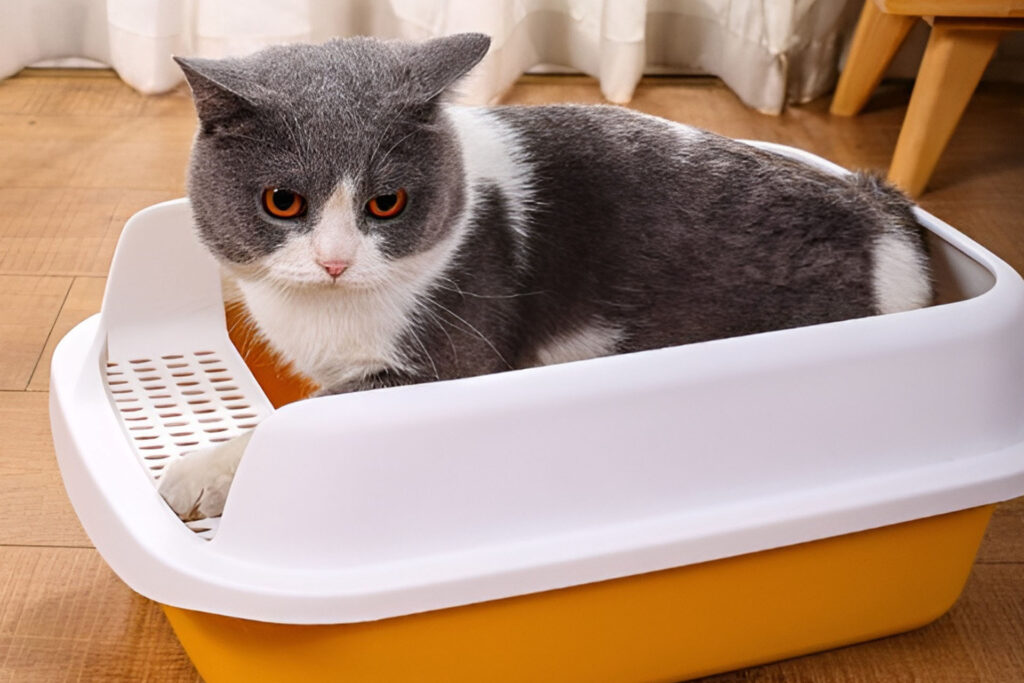
Распространенные ошибки, связанные с запахом, которые допускают 90% владельцев кошек
Даже самые заботливые владельцы кошек допускают ошибки, пытаясь устранить неприятный запах из лотка. Именно из-за этих ошибок запах часто сохраняется, несмотря на все предпринятые меры. Вот шесть распространенных ошибок, от которых стоит отказаться прямо сейчас — ваш дом (и ваша кошка) скажут вам спасибо.
1. Распылить духи / освежитель воздуха
Это одна из худших ошибок, которые можно совершить. Духи и освежители воздуха содержат агрессивные химические вещества и сильные отдушки; смешиваясь с аммиаком, содержащимся в кошачьей моче, они создают еще более неприятный запах. Кроме того, эти средства раздражают дыхательные пути как у кошек, так и у людей, а запахи маскируют лишь временно: как только аромат выветривается, зловоние возвращается с новой силой.
2. Слишком мало подстилки
Как мы уже говорили, использование слишком малого количества наполнителя приводит к тому, что моча впитывается в сам лоток, оставляя трудновыводимые пятна и стойкий неприятный запах. Может показаться, что вы экономите, но на деле вам придется менять наполнитель чаще, что обойдется дороже и доставит больше неудобств.
3. Только пополнение, без глубокой очистки
Досыпать свежий наполнитель — это хорошо, но это не заменяет тщательную чистку. Со временем в лотке скапливаются загрязнения и бактерии, и даже свежий наполнитель не может скрыть запах. Чтобы избавиться от этих стойких запахов, необходимо проводить глубокую чистку лотка как минимум раз в неделю.
4. Смешивайте разные наполнители
Смешивание разных видов наполнителя ухудшает их свойства: комки разрушаются, появляется неприятный запах, а сам наполнитель быстрее начинает пылить. Используйте только один вид наполнителя или готовую смесь.
5. Закрытое, сырое место
Если поставить лоток в закрытом сыром месте, там будут скапливаться запахи и размножаться бактерии. Даже самый лучший наполнитель не справится с неблагоприятными условиями — лучше выберите сухое место с хорошей вентиляцией.
6. Накладывать небрежно
Большая ошибка — пропускать мелкие комочки мочи и крошечные фрагменты фекалий. Со временем эти небольшие, незаметные частицы начинают разлагаться, из-за чего от всего лотка начинает исходить неприятный запах. Используйте совок с мелкими ячейками и не спеша просеивайте наполнитель, чтобы удалить все загрязнения.
Краткий обзор: формула для устранения запаха
Выбирайте подходящий наполнитель, насыпайте его толстым слоем, часто убирайте, а также проветривайте и просушивайте.
- Выбирайте наполнитель на основе натриевого бентонита или смесь минеральных и растительных компонентов: такие составы почти не пылят, образуют плотные комки и не имеют отдушек (здесь важна именно физическая нейтрализация запаха).
- Слой: насыпайте 5–6 см для домов с одной кошкой и 6–8 см — для домов, где живут несколько кошек; также рассмотрите возможность использования послойного метода для более эффективного контроля запаха.
- Использование совка: 1–2 раза в день (2–3 раза, если в доме несколько кошек) удаляйте все загрязнения, включая мелкие комки, с помощью совка с мелкими отверстиями.
- Чистка: проводите тщательную чистку туалета раз в неделю (каждые 5 дней, если в доме несколько кошек или повышенная влажность) и полностью меняйте наполнитель каждые 7–10 дней.
- Место: Разместите лоток в хорошо проветриваемом, сухом и прохладном месте — вдали от замкнутых пространств, прямых солнечных лучей и мисок с едой и водой.
- Дополнительная защита: используйте гранулированную пищевую соду (внутри лотка) и мешочки с активированным углем (рядом с лотком) для усиления безопасного контроля запаха кошачьего туалета.
Эффективное устранение запаха кошачьего туалета — это не поиск «волшебного» наполнителя, а комплексный подход: качественный наполнитель, правильное использование, регулярная уборка и подходящие условия содержания. Появление запаха от продуктов жизнедеятельности кошки — естественное явление, однако при правильном подходе его можно держать под контролем, сохраняя в доме свежесть и уют как для вас, так и для вашего питомца.
Для владельцев кошек эти советы — не просто способ избавиться от неприятных запахов; это возможность улучшить качество жизни и позаботиться о здоровье питомца. Чистый лоток без запаха — залог того, что кошка будет чувствовать себя счастливой и здоровой (меньше проблем с дыханием и раздражений кожи, а также отсутствие риска отказа от лотка), а свежесть в доме избавит вас от лишнего стресса. Независимо от того, только ли вы завели кошку и пытаетесь наладить использование лотка, или же вы опытный владелец, желающий усовершенствовать методы борьбы с запахами, — эти рекомендации помогут вам создать комфортную и уютную атмосферу в доме. Пусть ваша жизнь с питомцем будет свободна от неприятных запахов!
Часто задаваемые вопросы
Почему всё равно пахнет, несмотря на ежедневную уборку и смену наполнителя?
Самая распространенная причина — отсутствие тщательной чистки кошачьего туалета. Даже при замене наполнителя на дне могут оставаться стойкие следы мочи и бактерии, создающие неприятный запах, от которого трудно избавиться. Среди других причин — использование слишком малого количества наполнителя, выбор наполнителя с низкой способностью удерживать запахи или размещение туалета в закрытом, сыром месте. Чтобы решить проблему, проводите глубокую чистку лотка не реже одного раза в неделю, насыпайте слой наполнителя толщиной не менее 5 см, перейдите на наполнитель, эффективно блокирующий запахи (например, на основе натриевого бентонита или минерально-растительной смеси), и размещайте лоток в хорошо проветриваемом месте.
Как бороться с запахом в доме, где живет несколько кошек?
- Используйте наполнитель, эффективно удерживающий запахи, — например, на основе натриевого бентонита или высококачественную минерально-растительную смесь: они способны справиться с большим объемом отходов.
- Увеличьте слой наполнителя до 8 см или более: чем больше наполнителя, тем лучше он удерживает запахи.
- Убирайте кошачий туалет 2–3 раза в день, а полную чистку проводите каждые 5 дней (вместо одного раза в неделю), чтобы своевременно удалять отходы.
- Установите как минимум два лотка (по одному на каждую кошку плюс один дополнительный): это позволит распределить отходы, снизить концентрацию запаха и предотвратить отказ кошек от использования лотка.
- Для дополнительного устранения запаха из кошачьего туалета используйте сочетание гранулированной пищевой соды (внутри лотка) и пакетиков с активированным углем (рядом с ним).
Можно ли использовать усилители устранения запаха для котят или пожилых кошек?
Да, но важно правильно подобрать средства. У котят и пожилых кошек дыхательная система более чувствительна, поэтому избегайте спреев-нейтрализаторов или порошкообразных средств (например, обычной пищевой соды), которые животное может вдохнуть. Вместо этого используйте гранулированную соду (насыпая ее на дно лотка) или мешочки с активированным углем (размещая их рядом с лотком) — это безопасные, нетоксичные средства, не вступающие в прямой контакт с кошкой. В качестве наполнителя выбирайте варианты с минимальным количеством пыли и без ароматизаторов, чтобы защитить чувствительные дыхательные пути питомца.
How to improve cat litter odor control for automatic litter boxes?
- Выбирайте наполнитель, подходящий для автоматических туалетов: с гранулами крупной фракции (3,0 мм), с низким уровнем пылеобразования и способностью образовывать плотные комки. Мелкозернистый или пыльный наполнитель может засорить механизм, а рыхлые комки — рассыпаться в процессе очистки, оставляя загрязнения внутри.
- Empty the waste drawer daily—even automatic boxes can’t trap odors forever, and a full drawer will start to smell quickly.
- Deep clean the machine’s globe once a week using a pet-safe enzymatic cleaner. This removes any residue or bacteria that build up inside, preventing odors from escaping.
- Add a small amount of odor granules (like activated carbon or natural plant granules) to the box to help lock in odors.
How long does cat litter odor control last?
With a quality physical odor-control litter, proper usage (enough depth, regular topping up), and consistent cleaning (daily scooping, weekly deep cleaning), the cat litter odor control can last 7–10 days. If you add safe odor boosters (like baking soda or carbon bags), you can extend this to 10–14 days, with no strong or unpleasant odors during that time. Keep in mind that multi-cat homes or hot, humid climates may need more frequent changes.
Как предотвратить появление неприятного запаха в сырую погоду?
- Place a moisture-proof mat under the litter box to prevent it from absorbing moisture from the floor, and put a dehumidifier box near the box to lower the humidity in the area.
- Выбирайте влагостойкий наполнитель — обратите внимание на варианты, прошедшие термическую обработку (кальцинированные), имеющие специальное покрытие или образующие минимум пыли, так как они с меньшей вероятностью отсыреют и раскрошатся.
- Сократите интервал между процедурами глубокой чистки и полной замены наполнителя до пяти дней — это предотвратит размножение бактерий и появление неприятного запаха во влажной среде.
- Ежедневно открывайте окна, чтобы впустить свежий воздух и снизить влажность в доме.
У кошки проблемы с мочеиспусканием: мочи мало, но у нее сильный запах?
- First and foremost, take your cat to the vet immediately. A strong odor from small amounts of urine can be a sign of urinary tract infections, kidney issues, or other health problems—this is not just an odor issue, it’s a health issue.
- Используйте быстро впитывающий наполнитель, надежно удерживающий запахи (например, на основе натриевого бентонита): он моментально обволакивает небольшие порции мочи, запирая резкий запах внутри.
- Увеличьте частоту уборки: убирайте наполнитель сразу после того, как кошка воспользуется лотком, чтобы предотвратить брожение небольшого количества мочи и появление сильного запаха.
- Тщательнее и чаще (каждые 3–4 дня) мойте кошачий туалет, чтобы удалить мелкие следы мочи, которые могут быть причиной сильного запаха.
Можно ли при помощи некоторых хитростей добиться хороших результатов от дешевого наполнителя при длительном использовании?
К сожалению, нет. Дешевый наполнитель изготавливают из материалов низкого качества: в бентонитовых составах мало монтмориллонита, отсутствует обработка для предотвращения пыления и нет добавок, блокирующих запах. В результате такой наполнитель плохо впитывает влагу и слабо удерживает запахи; даже если применять всевозможные ухищрения (насыпать слой нужной толщины, ежедневно убирать твердые отходы, проводить полную чистку лотка, использовать нейтрализаторы запаха), справиться с неприятным запахом надолго не удастся. В итоге вам придется менять наполнитель чаще, что обойдется дороже, чем покупка качественного продукта средней ценовой категории, эффективно блокирующего запахи. Избавьте себя от лишних хлопот и разочарований — купите качественный наполнитель; это того стоит.
Как избавиться от стойкого неприятного запаха?
- Empty all the old litter from the box, then rinse it thoroughly with warm water. Use a scrub brush to remove any loose stains or residue.
- Mix warm water with pet-safe neutral cleaner and baking soda, then scrub the bottom and inside walls of the box—focus on any dark stains or cracks. For extra stubborn stains, spray a pet-safe enzymatic cleaner on the area, let it sit for 10 minutes, then scrub again.
- Rinse the box thoroughly with warm water, then place it in direct sunlight for 2 hours. Sunlight is a natural disinfectant and odor eliminator—it kills bacteria and breaks down any remaining odor-causing substances.
- Let the box dry completely, then sprinkle a thin layer of granular baking soda on the bottom before adding fresh litter. This will prevent the bottom odor from coming back.
Влияет ли наполнитель, нейтрализующий запахи, на туалетные привычки кошки?
Нет — если вы выберете правильный наполнитель. Качественный наполнитель, нейтрализующий запахи за счет своих физических свойств, не содержит искусственных ароматизаторов, а его текстура естественна и комфортна для кошачьих лап; он никак не повлияет на привычки питомца. Проблемы возникают с ароматизированными наполнителями: их запах может раздражать чувствительный нос кошки, из-за чего она начнет избегать лотка и справлять нужду в неположенных местах. Чтобы кошка была довольна и продолжала пользоваться лотком, всегда выбирайте наполнитель без ароматизаторов, с низким уровнем пылеобразования и эффективным естественным поглощением запахов.
 Russian
  English
  Spanish
  Japanese
  Arabic