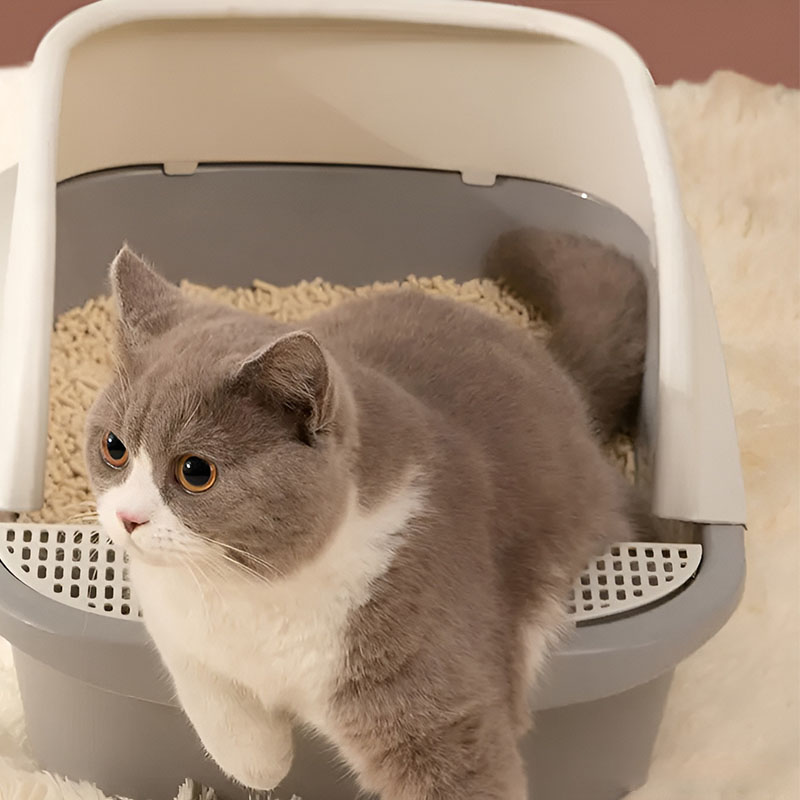
If your cat won’t use the litter box, it’s a clear sign that they’re feeling unwell, uncomfortable with their environment, or haven’t developed a proper litter box routine. This can be a frustrating issue for cat owners, but by accurately identifying the root cause, making scientific adjustments, and guiding your cat with plenty of patience, you can get them to use the litter box voluntarily again and put an end to inappropriate elimination.
Main Reasons Why Cats Refuse to Use the Litter Box
1. Illness causing pain during urination or defecation
This is the most important cause to rule out first. Cats have delicate urinary systems, and conditions like urinary stones or urethritis can cause severe pain when they pee. Over time, they’ll associate this pain with the litter box and intentionally avoid it. Additionally, endocrine issues such as hyperthyroidism or diabetes, as well as reproductive system abnormalities, can also disrupt a cat’s elimination habits. Unneutered cats, especially males, may also urinate inappropriately to mark their territory due to instinct, refusing to use the litter box consistently. This is a normal biological instinct, not misbehavior.
2. Uncomfortable litter box experience
Cats are naturally clean and extremely sensitive to their surroundings—any little thing about the litter box that doesn’t suit them can make them resist using it. For example, a litter box that’s left unclean for too long and smells bad, a box that’s too small for them to turn around or cover their waste properly, or a placement near noisy appliances (like washing machines or air conditioners) or their food and water bowls can all make a cat uncomfortable. In multi-cat households, an insufficient number of litter boxes can lead to waiting lines for the box, prompting cats to find a more private spot to go instead.
3. Unsuitable litter (unpleasant texture or scent)
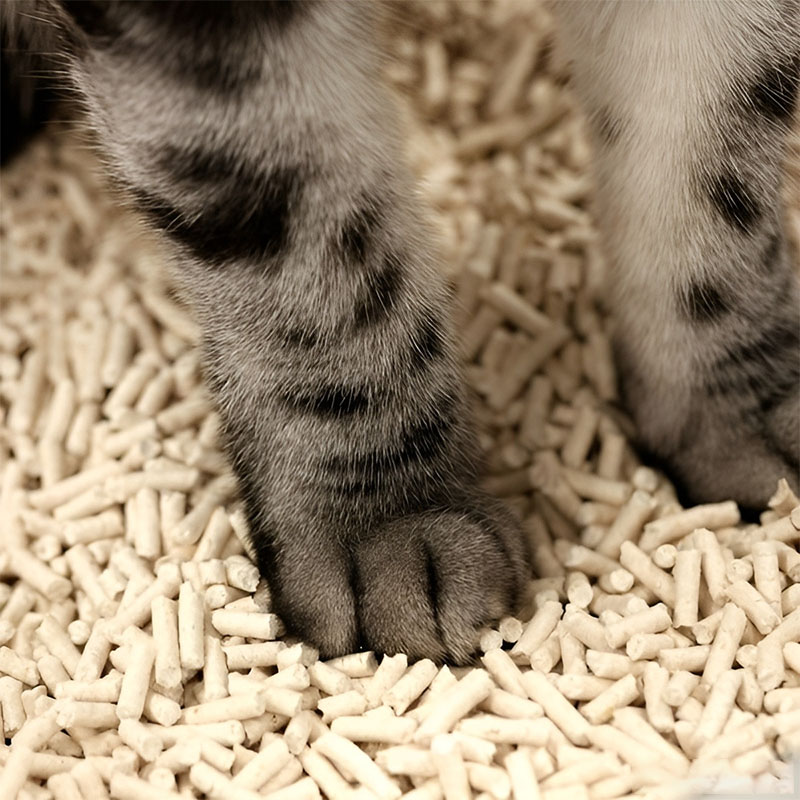
The texture and smell of cat litter directly affect a cat’s willingness to use it. Litter with a strong fragrance or excessive dust can irritate a cat’s sensitive sense of smell and delicate respiratory system, making them reject it. Litter with overly coarse granules can hurt their paws, while overly fine granules stick to their claws—both cause discomfort. Another common oversight by owners is switching litter brands abruptly without a transition period; cats will refuse the new litter simply because it’s unfamiliar.
4. Environmental stress and lack of security
Cats have a low tolerance for environmental changes, and even small adjustments can make them anxious and insecure. Events like moving house, adding a new pet or family member, rearranging furniture, or a strange cat wandering outside the window can all trigger stress in cats. Inappropriate urination is their way of relieving stress and marking a “safe territory,” and they may temporarily refuse the litter box to soothe their anxiety.
5. Poor training leading to negative associations
Kittens that aren’t properly guided to use the litter box won’t develop a consistent elimination habit, making inappropriate elimination more likely as they grow up. Furthermore, punishing a cat (by yelling or hitting) for occasional inappropriate elimination will make them fear the litter box, leading them to avoid it entirely—they may even sneak off to hidden spots like under the sofa or bed to go, which only worsens the problem.
How to Get Your Cat to Use the Litter Box Again
1. Prioritize a vet check to rule out illness
If your cat suddenly stops using the litter box and shows abnormal symptoms such as frequent urination, passing small amounts of bloody urine, straining to defecate, a sudden increase in water intake, or lethargy, take them to the vet immediately. Focus on checking for urinary, endocrine, and other related conditions. Only by treating the underlying illness and relieving the cat’s pain can behavioral guidance be effective—this avoids addressing the symptom without fixing the root cause.
2. Optimize the litter box setup for a comfortable experience
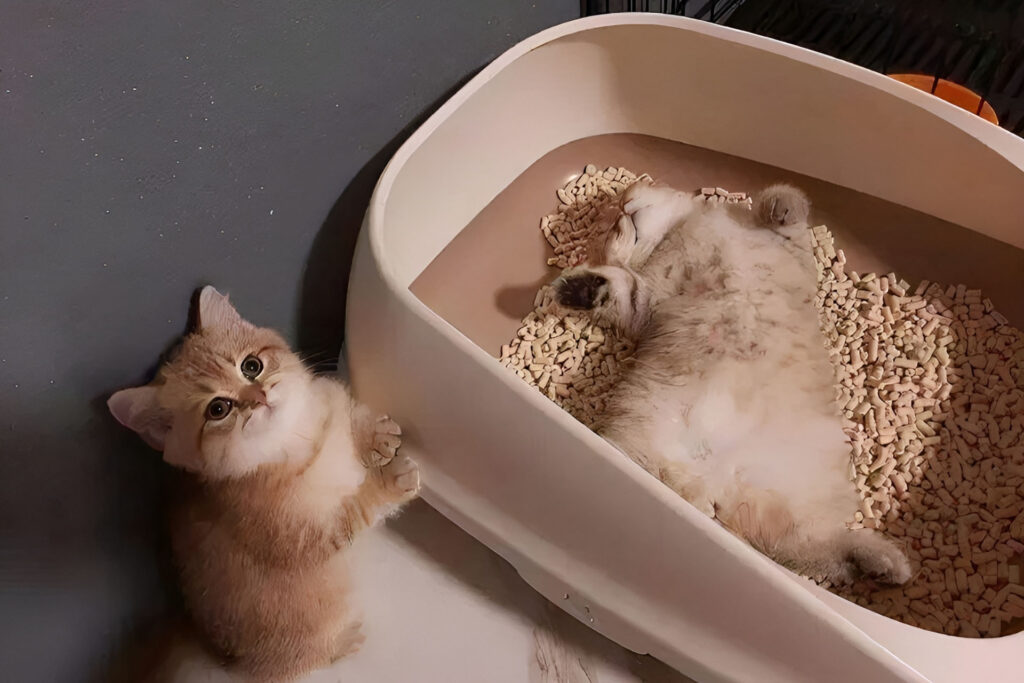
Choose a litter box that meets your cat’s needs: prioritize a large one (at least 1.5 times the cat’s body length). For kittens and senior cats, pick a box with a low entry for easy access. Place the box in a quiet, private, well-ventilated corner away from food and water bowls—such as a quiet spot in the bathroom or on the balcony. In multi-cat households, strictly follow the N+1 rule (one extra litter box per cat) to prevent competition and waiting lines.
3. Keep the litter box spotlessly clean
Cleanliness is key to encouraging your cat to use the litter box. Scoop out feces and urine clumps at least 1-2 times a day to prevent odors from building up. Thoroughly wash the litter box with plain water once a week, let it dry completely, then refill it with fresh litter. For areas where your cat has eliminated inappropriately, clean the spot thoroughly with a pet-specific urine odor remover to fully break down urine stains and smells—this stops the cat from returning to the same spot out of habit.
4. Guide your cat gently to build a routine
Take advantage of your cat’s elimination peak times (right after waking up, eating, or playing) and gently place them in the litter box. Lightly hold their paws and dig in the litter to mimic covering waste, helping them get used to the process. If your cat uses the litter box successfully, reward them with a treat and praise them softly immediately—positive reinforcement strengthens good behavior. For cats with severe inappropriate elimination, temporarily confine them to a small space with only their litter box, food/water bowls, and a bed. This removes the chance for them to go in the wrong place, and you can gradually expand their living space once they’re fully comfortable using the litter box.
5. Relieve stress and build a sense of security
If your cat is avoiding the litter box due to stress from environmental changes, create a safe and cozy space for them: set up a hidden bed, a scratching post, and other familiar items for them to retreat to. Spend 15-20 minutes a day playing and interacting with your cat to ease their anxiety. Avoid moving the litter box frequently; if a strange cat is hanging around outside the window, cover the window to reduce external stimuli. This helps your cat gradually feel safe and stable in their environment.
ЧАСТО ЗАДАВАЕМЫЕ ВОПРОСЫ
Will scolding or hitting my cat make them use the litter box?
No. Punishment only makes cats develop a strong fear of the litter box, which worsens inappropriate elimination—they may even hide to go to the bathroom under furniture. This not only fails to solve the problem but also erodes the trust between you and your cat.
Are closed litter boxes better than open ones?
Not necessarily. Closed litter boxes have the advantage of reducing litter tracking and containing odors, keeping your home clean. However, some cats feel cramped and stifled in enclosed spaces and will refuse to use them. It’s best to start with an open litter box for training. If your cat adapts well, you can try a closed one gradually, or use a semi-closed box as a transition—adjust based on how your cat responds.
Do kittens need special care for litter box use?
Yes. Kittens are small and less mobile, so use a large litter box with a low entry for easy access. Add only 2-3 cm of litter—this prevents kittens from sinking in and makes it easier for them to learn to cover their waste. Clean the litter box daily to stop kittens from eating dirty litter, which can cause stomach problems. Also, patiently repeat the litter-digging guidance to help them develop a litter box routine quickly.
Why might senior cats refuse to use the litter box?
Besides potential urinary tract issues, senior cats may develop arthritis with age, making it hard for them to step into a litter box with a high entry. Replace the box with one that has a very low or no entry immediately, and add 5-8 cm of litter to reduce the physical effort needed to cover waste. Also, take your senior cat for regular vet checkups to catch and address any underlying health issues early.
 Russian
  English
  Spanish
  French
  Indonesian