Choosing the right supplies for your home is about more than just convenience; it is a fundamental part of responsible pet ownership. Many owners unknowingly compromise their pets’ health by prioritizing low prices over safety, failing to realize that cat litter quality directly impacts a cat’s respiratory, digestive, and skin health. From the risk of toxic mold to the dangers of industrial chemical additives, the consequences of using substandard products can be severe and long-lasting. This guide will help you navigate the hidden hazards of the market, teaching you how to evaluate cat litter quality through ingredient transparency, dust testing, and proper storage, ensuring a safe and hygienic environment for your feline companions.
Ingredients of Low-Quality Cat Litter
Most low-quality cat litters are made from core materials like industrial waste, recycled scraps, low-grade bentonite, and moldy plant residues. They’re just roughly crushed and processed, with no proper procedures like high-temperature sterilization or deep impurity removal. Some manufacturers even add industrial glue, fragrances, and dyes to cut costs. The source of these ingredients is unclear, and they don’t meet hygiene standards—there are tons of safety hazards, and using them long-term will directly threaten your cat’s health.
Low-quality cat litter skips standard processes like sieving, drying, and sterilization. It’s easy for eggs, heavy metals, and chemical residues to stay in the ingredients. Plus, the production environment is messy, so mold and bacteria often grow during processing, packaging, and transportation. If your cat touches or accidentally eats it, it can cause all kinds of gastrointestinal and respiratory diseases—way below the safety standards of qualified cat litter.
Key Risks and Harms of Low-Quality Cat Litter
1. Mold Growth, Harming Your Cat’s Gastrointestinal Health
Low-quality cat litter’s ingredients are often damp and moldy, and the packaging isn’t well-sealed. If you don’t store it properly, it’s super easy to grow highly carcinogenic molds like aflatoxin and black mold. When your cat uses the litter box, mold gets on their paws and fur, and they end up eating it when they groom themselves. This can cause acute gastrointestinal issues like vomiting, diarrhea, and loss of appetite. Eating it long-term can damage their liver and kidneys, and even lead to organ damage.
2. Excessive Dust, Damaging Your Cat’s Respiratory System
Low-quality cat litter doesn’t go through any dust-removal sieving. When you use it, there’s a lot of dust flying around—dust that’s full of impurities, particles, and bacteria. Cats have super sensitive noses and respiratory systems, so breathing in this dust long-term can make them sneeze, have a runny nose, cough, or gasp. It can even trigger respiratory diseases like rhinitis, bronchitis, and pneumonia. It’s especially deadly for kittens, senior cats, and flat-faced cats (like Persians or Exotic Shorthairs).
3. Harmful Additives, Irritating Your Cat’s Skin and Mucous Membranes
To cover up bad smells and pretend to be high-quality, low-quality cat litter adds harmful additives like industrial fragrances, industrial glue, dyes, and chemical deodorants. Industrial fragrances irritate cats’ noses and eyes, making them tear up, get red eyes, or lose their sense of smell. Industrial glue breaks down when it gets wet with urine, releasing irritating gases that damage their respiratory system. Low-quality dyes easily rub off, sticking to cats’ skin and causing itching, peeling, or rashes.
4. Poor Clumping, Increasing Bacteria Spread Risk
Low-quality cat litter has low-purity ingredients and poor adhesion. When it gets wet with urine, it either doesn’t clump at all or clumps are loose and easy to break. You can’t scoop them out completely when cleaning, so leftover urine soaks into the bottom of the litter box. It ferments quickly, growing lots of bacteria and fungi that contaminate the whole litter box. If your cat is exposed to this long-term, they’re more likely to get urinary tract infections or skin fungal infections—and the risk doubles for multi-cat households.
5. Severe Sticking, Raising Cleaning Difficulty and Health Risks
Low-quality cat litter doesn’t absorb water well, so urine soaks straight through to the bottom of the litter box. The litter sticks tightly to the sides and bottom, so you have to scrape it off when cleaning—and it’s easy to leave urine stains and dirt behind. Over time, this builds up into a stubborn stench and a breeding ground for bacteria. Not only does it ruin your home environment, but cats might refuse to use a dirty litter box, leading to accidents or holding their urine—which can cause urinary tract diseases.
6. High Risk of Accidental Ingestion, Threatening Your Cat’s Life
Low-quality cat litter isn’t safety-tested. It’s loose and has a weird smell that might attract cats—kittens and curious cats are especially likely to eat it by accident. Industrial glue, chemical additives, and moldy ingredients can cause intestinal blockages or poisoning, making your cat lethargic, vomit, or have bloody stools. In severe cases, it can be life-threatening. Plus, you can’t flush it down the toilet—it’ll clog the pipes and cause household trouble.
How to correctly judge the cat litter quality
1. Check Ingredient Labels, Reject “Three-No” Products
When buying cat litter, check the ingredient list on the package. Prioritize products with legal ingredients like natural bentonite, tofu, or plant-based materials. Reject “three-no” cat litter—those without a brand name, factory address, or quality inspection report. Don’t buy super cheap cat litter that’s way below the market price; you’ll just end up getting scammed.
2. Check Dust Level, Test Quality by Hand
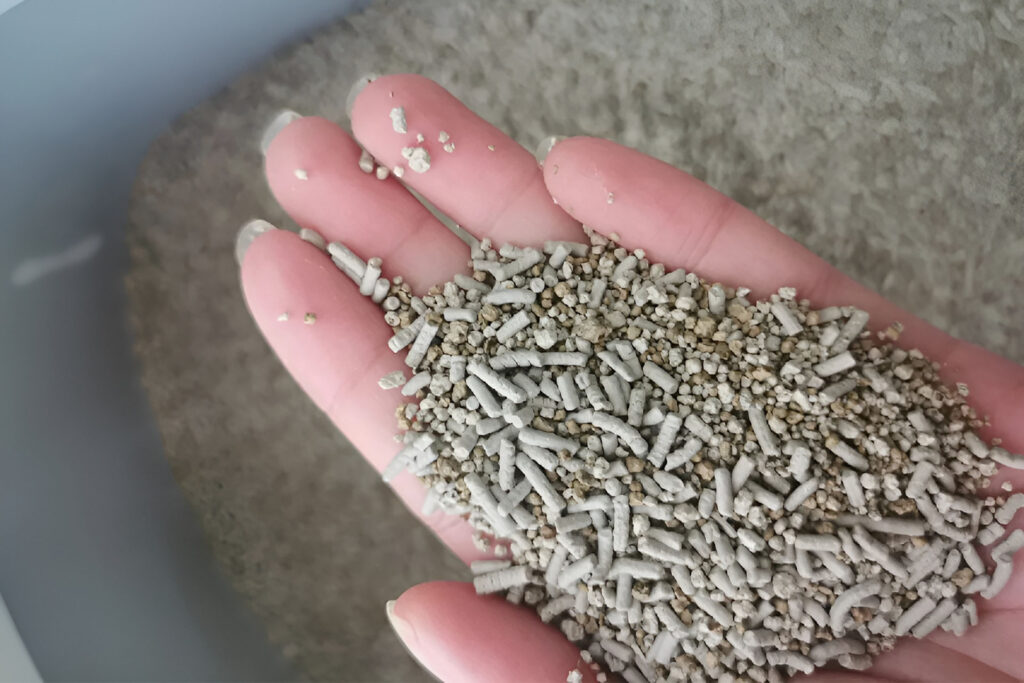
After opening the package, shake the cat litter gently. If there’s no obvious dust or fine debris, it’s okay. If low-quality cat litter makes a cloud of dust as soon as you pour it, throw it away right away. You can also test a little cat litter with water: good quality litter clumps tightly, doesn’t fall apart, and has no harsh smell. If the clumps break easily and smell bad, it’s low-quality.
3. Smell It to Judge, Avoid Strongly Scented Litter
Good quality cat litter only has a light, natural smell from its ingredients. Low-quality litter uses strong fragrances to cover up mold or bad raw material smells—those scents are harsh, choking, and make you dizzy after smelling them for a while. Don’t buy those! Unscented or lightly naturally scented litter is best for cats’ sensitive noses.
4. Store It Properly, Prevent Cat Litter from Spoiling
Store cat litter in a sealed container in a dry, ventilated place away from light. Avoid damp, high-temperature environments. Use it as soon as possible after opening to prevent it from absorbing moisture and getting moldy. If you find the litter clumping, changing color, having mold spots, or smelling weird, throw it all away—don’t keep using it.
5. Use It Standardly, Reduce Health Risks
Spread the litter 5-8 centimeters thick. Clean out feces and clumps every day, and completely replace the litter and clean/disinfect the litter box every week to avoid bacteria buildup. When switching cat litter, mix the old and new litter gradually in proportions to reduce stress for your cat. Also, watch your cat’s litter box habits, energy levels, and skin—if something seems off, stop using the litter right away.
6. Choose Based on Your Cat’s Needs, Match Their Constitution
For kittens, flat-faced cats, or cats with sensitive respiratory systems, prioritize high-quality tofu litter or mixed litter that’s low-dust, dust-free, and additive-free. For multi-cat households, choose legal cat litter that clumps well and deodorizes effectively. Don’t blindly follow trendy internet-famous brands—safety and suitability are the most important.
Frequently Asked Questions
What should I do if my cat feels unwell after using low-quality cat litter?
Stop using the low-quality litter immediately, replace it with high-quality, low-dust, additive-free litter, and thoroughly clean and disinfect the litter box. If your cat keeps sneezing, vomiting, having diarrhea, or has red skin, take them to the vet right away—don’t delay treatment.
Can I still use cat litter with mold spots if I sift out the mold?
No. If there are mold spots on the litter, it means the whole bag is contaminated with mold. Mold spores are everywhere in the litter, even if you can’t see them. Using it again will still harm your cat’s health—throw the whole bag away.
Is low-dust cat litter definitely high-quality?
Not necessarily. Some low-quality cat litters are labeled “low-dust” to trick consumers. You need to judge comprehensively based on ingredients, quality inspection reports, clumping ability, and smell. Prioritize cat litter from regular brands with good reviews and safety certifications.
Do I need to handle it urgently if my cat accidentally eats a little low-quality cat litter?
First, watch your cat’s condition. If they’re energetic and eating normally, let them drink more water to help metabolism. If they start vomiting, feel lethargic, or stop eating, take them to the vet immediately—don’t try to make them vomit or give them medicine on your own.
How to tell the difference between cat litter with natural fragrance and industrial fragrance?
Natural fragrances are light and natural—they don’t irritate your nose or make you dizzy even if you smell them for a long time. Industrial fragrances are strong and harsh; they make your nose feel uncomfortable and your eyes sting. If the package doesn’t list the fragrance ingredients, it’s probably a low-quality industrial fragrance.
 English
  Spanish
  Russian
  Japanese
  Arabic