主なポイント
- 小型ペット用の木くずベッドリングは、吸収性と乾燥性、ほこりの少なさと安全性、肌触りの良さ、潜り込みやすさ、そしてお手入れのしやすさという5つの条件を満たす必要があります。.
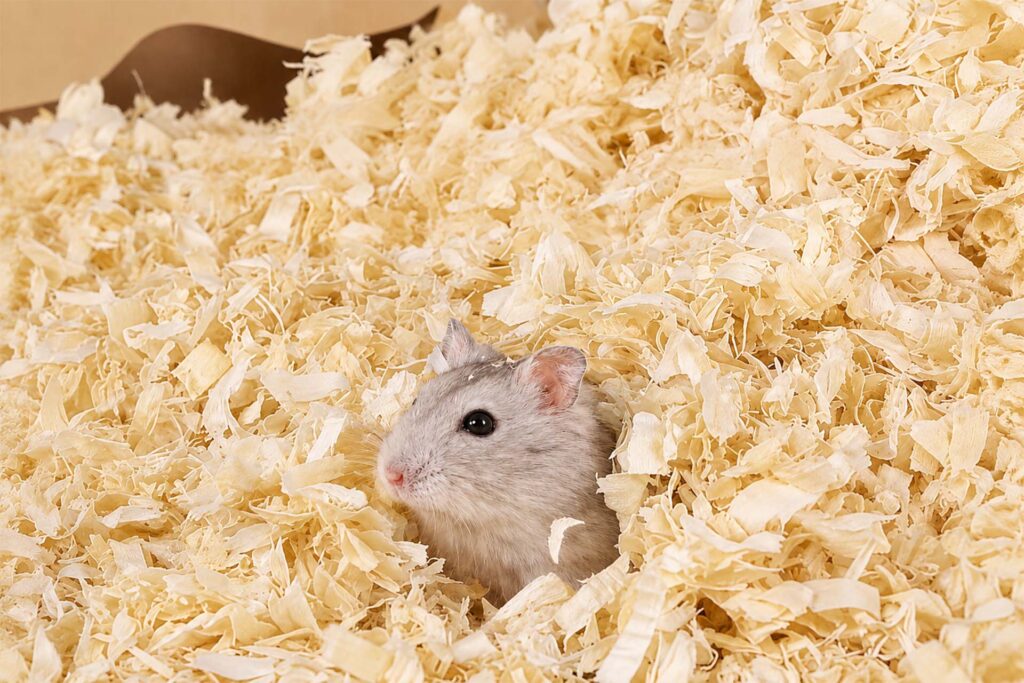
- アスペンの削りくずは、汎用性の高い床材です。柔らかく、きめが細かく、無臭で、ほこりが少なく、敏感なチンチラや幼いゴールデンハムスターにも安全です。.
- 松のおがくずは、吸収力と消臭効果を高めます。高温による脱油処理により、刺激となる揮発性油分が除去されます。.
- 「無塵」や「低粉塵」という表示には、明確な試験結果が必要です。微細な粉塵や混合木材の破片が、主な安全上のリスクとなります。.
- 単体ケージの場合は2~3cm、繁殖用は3~4cm、輸送用は1~2cmの厚さに敷いてください。毎日部分的な清掃を行い、7~10日ごとに全面交換し、毎月徹底的な消毒を行ってください。.
- 環境に関する表示(天然の抗菌作用、誤飲しても安全など)には、製品ごとの裏付けとなる証拠と、販売先の市場に合わせた表現が必要です。.
小型ペットに「ケア重視」の木屑ベッド用ガイドが必要な理由
成熟した猫や犬の市場と比較すると、ハムスター、ゴールデンハムスター、チンチラ、モルモット、ロップイヤーウサギといった小型ペットは、ケージ内の微気候を慎重に管理することに依存しています。 これらは体が小さく、新陳代謝が速く、皮膚や呼吸器系が非常に敏感である上、生まれつき穴を掘ったり、巣を作ったり、隠れたりする本能を持っています。したがって、ケージの敷材は単なる消耗品ではなく、快適さ、皮膚の健康、そして精神状態を直接左右するものです。紙のフラフ、木質ペレット、トウモロコシの芯、吸収パッドなどの選択肢の中でも、天然の おがくずの敷き材 その天然素材、高い吸水性、通気性に優れた温もり、そしてペットの行動に合わせた構造により、この素材は普遍的な基本素材となり、経験豊富な飼育者にとって長年にわたり第一の選択肢となっています。.
不適切な敷材の選択は、皮膚のかゆみ、真菌感染症、ケージの悪臭、ストレスによる毛の逆立ち、水っぽい軟便といった問題として現れます。 これらの問題のほとんどは、不適切な寝床の選択、敷き方の間違い、あるいは環境への不適合に起因しており、飼育方法の誤りによるものではありません。本ガイドでは、販売業者が適切に販売するために必要な科学的知見と、購入者が高品質な製品を見極めるために必要な確認事項を組み合わせたものです。これは、購入者向けの概要と、小型ペットのケアに関する実践的な情報を融合させた教育リソースです。.
以下のような小型哺乳類の福祉に関する枠組み、例えば FEDIAFケアガイドライン 呼吸器系や皮膚の過敏性を考慮し、基材の選択が単なるコスト項目ではなく、ケア上の判断となることを明確にすべきである。.
このガイドの対象者:
- 小動物用寝具のラインナップを追加する卸売業者や販売業者。.
- ハムスター、チンチラ、モルモット、ウサギの飼い主を対象とした小売店。.
- 「ほこりが立たない」や「安全な素材」といった主張を掲げるEコマースの出品者。.
- 繁殖施設向けの買い手による大量仕入れ。.
- 寝具のSKUを企画中のプライベートブランド。.
木くずの敷き材比較:アスペン対パイン、およびその他の敷き材
SKUを調達または推奨する前に、この基質マップを参照して、樹種、季節、およびケージ内の密度に応じて適切な材料を選択してください。.
| 基板 | 吸収 | 粉塵濃度 | 最適 | 注意点 |
| アスペンの木屑(木屑の敷き材) | 高 | 非常に低い | すべての種;敏感なペットや幼いペット | 滅菌および脱油の証明を確認する |
| 松のおがくず(おがくずの敷き材) | 非常に高い | 低(脱油済みの場合) | 排泄物の多いペット;湿度の高い季節 | 高温脱油処理が必須である |
| 紙くず | 低~中 | 低 | 保温トップレイヤー | すぐに湿気がこもり、カビが生えやすく、夏は蒸し暑い |
| 木質ペレット | 高 | 低 | 指定のゴミ捨て場 | 難しい;穴を掘る本能に逆らう |
| トウモロコシの芯 | 中 | 低~中 | 時折の使用 | 昆虫の卵によるリスク;吸着力が弱い |
| 吸収パッド | 高(局地) | なし | 輸送/一時的 | 掘ったり隠したりしてはいけません。長期にわたる場合はストレスになります |
汎用低発塵ベースについては、 小型ペット用のアスペンおがくず 材料仕様およびロット証明については、製品ページをご覧ください。.
小型ペットに専用の木屑ベッドリングが必要な理由
小型ペットの生理学と物質的論理
小型ペットには、いくつかの共通した生理的弱点があります。それは、厚い毛皮による保護がなく皮膚が薄いこと、長時間地面に接触することで湿気、細菌、ほこりにさらされること、わずかなほこりや臭い、化学添加物にも反応してしまう繊細な気道、 代謝が活発で排尿・排便が頻繁なため、ケージ内の湿度が高くなりやすいこと;そして、安全を確保するために、囲まれた柔らかく、穴を掘れる環境を必要とする臆病な性質です。したがって、敷材には、吸水性、低粉塵性、肌触りの良さ、穴を掘れること、そしてお手入れのしやすさといった要素が求められますが、通常の敷材ではこれらすべての要件を満たすことはできません。.
培地の違い:紙、ペレット、トウモロコシの芯、パッド
- 紙の綿:保温性はあるが、すぐに水分を吸収しすぎてしまう。湿ると固まってカビが生えやすく、夏場は蒸し暑い。.
- 木質ペレット:硬いため、掘ることができず、穴を掘ろうとする本能に反する。.
- トウモロコシの芯:虫の卵が付着しやすく、臭いの吸着力が弱く、臭いがすぐに蓄積してしまう。.
- 使い捨て吸収パッド:便利ですが、掘ったり隠したりする欲求を満たすことはできません。長期的に使用すると、ストレスや無気力を引き起こす可能性があります。.
対照的に、天然木のおがくずベッド用敷材は、木材繊維の自然な構造を活かしています。ふんわりとして通気性が良く、吸収力に優れ、掘ったり巣を作ったりできるように形を整えることもでき、さらに真菌や細菌のリスクを根源から低減します。 高温乾燥、無菌的な除塵処理が施されており、化学染料、工業用香料、接着剤が一切使用されていないため、肌や呼吸器系に優しいです。万が一少量誤飲しても、通常通り代謝されます。安全性の詳細については、製品の説明書をご確認ください。.
木くずの敷き材が持つ3つの主な利点
- 湿度の調整:天然木の繊維は、通気性を保つ細孔を維持しながら余分な湿気を素早く吸収し、湿気や蒸し暑さを防ぎます。.
- 情緒的なサポート:掘ったり巣作りができる環境は、ストレスや毛づくろい、臆病さを和らげます。.
- コスト効率:1枚で長期間使用でき、頻繁な交換が不要です。また、紙くずに比べて消耗によるロスがはるかに少ないため、バッチ飼育者や繁殖施設にとって大きなメリットとなります。.
からの福祉に関するガイダンス RSPCAの小型ペットに関するアドバイス これは、環境エンリッチメントと安全な生息環境が、小型哺乳類の福祉にとって不可欠な要素であり、単なるオプションではないことを改めて強調している。.
シナリオに基づく敷設計画
家庭での単一ケージ飼育
最も一般的なケース――ハムスター、ゴールデンハムスター、ドワーフウサギ、チンチラなどの単頭飼育――では、乾燥性、通気性、そして精神的な安らぎが重視されます。ケージの床に2~3cmの厚さで均一に敷き詰めることで、金属製の格子やプラスチック製の底面からの冷気を遮断し、足の裏の摩耗や冷えを防ぎ、自然な掘り返し行動をサポートします。 湿った塊や排泄物のあった箇所は毎日その場だけ掃除し、床材をすべて交換する必要はありません。ケージ全体の床材は週に1回、消毒を兼ねて交換してください。冬は紙のふんわりした繊維を少し混ぜてやや厚めに敷き、夏は通気性を確保するために薄く敷いてください。.
育種および高密度のシナリオ
高密度で複数のペットを飼育するケージでは、排泄物の発生頻度が高まり、湿度が急速に上昇するため、真菌症や集団性皮膚疾患のリスクが高まります。 脱油処理済みの松のおがくずを使用すると、吸湿性、消臭効果、抗菌作用が向上します。3~4 cmの厚さに敷き詰め、多層構造による吸収効果で尿が底部に達するのを防ぎ、交換間隔を延ばすことができます。 天然の抗菌特性により、群発性皮膚疾患の発症確率が低下するとされています。掲載前に、製品の証拠に基づいて抗菌効果の主張を確認してください。.
交通手段と仮設住宅
宅配便の輸送中、市内での移送、および店舗間の移動の際、輸送用箱は小型で通気性が悪く、激しい揺れにさらされるため、ストレスや湿気、排泄物の蓄積を引き起こします。 1~2cmの厚さに細かいおがくずを敷くことで、クッション効果があり、尿や湿気を吸収し、臭いを抑えることができます。また、紙の綿よりも安定しており、絡まりにくいという利点があります。.
バルコニーおよび開放型囲い
オープン型やセミオープン型のレイアウトは、通気性が良い反面、昼夜の温度差が激しく、ほこりが入り込みやすく、夜間の冷え込みも生じやすい。木くずのふんわりとした温かい構造は、温度の変動を和らげ、床からの冷えを防ぎ、外部からのほこりを遮断することで、安定した生息環境を作り出す。.
季節ごとの手入れと保管
春と夏の湿度
南部の雨季や梅雨の時期には、湿度が皮膚病や真菌感染症の主な引き金となります。 吸湿・抗菌・防虫効果のある脱油済み松のおがくずを使用し、通気性を確保するために敷き詰めを薄くし、スポットクリーニングの頻度を毎日とし、ケージ全体のおがくずは週に1回交換してください。また、未開封の袋は密封した状態で床から離して保管し、おがくずが湿気を吸収してしまうのを防いでください。.
秋と冬の温もり
乾燥して風通しの良い秋と冬は、木屑を使うのに最適な季節です。 刺激が少なく無臭のアスペンのおがくずを使用し、深く掘るためや冬の巣作りのために厚めに敷き詰めてください。このふんわりとした層が、昼夜の気温差に対する自然な断熱層となり、寒さによる軟便を防ぎます。暖房の効いた北部の室内では、乾燥した空気によって湿気が防がれ、おがくずの交換間隔を延ばすことができます。.
ペアリングとクリーニングのロジック
スマートな組み合わせ
- 基本的な毎日の組み合わせ:木くずと、少量の消臭用顆粒。木くずは排泄物を吸収し、穴掘り行動を促す一方、顆粒は臭いを中和するため、手間のかからない飼育に最適です。.
- 冬にぴったりの組み合わせ:下層に木くず、上層に紙の綿 – 木くずが湿気を閉じ込めつつ通気性を保ち、紙の綿が断熱効果を発揮します。.
- 春・夏の湿気対策の組み合わせ:薄い削りくずと一定範囲に敷いた尿用砂――指定されたトイレエリアで素早く湿気を閉じ込め、臭いを除去し、広範囲の湿気を防ぎます。.
掃除の頻度
基本原則は、こまめに部分的な掃除を行い、予定通りに敷き材をすべて交換し、ケージを消毒することです。毎日:湿った塊や排泄物を取り除き、新しい敷き材を補充します。 7~10日ごと:敷材をすべて取り除き、底面や隅を拭き取り、消毒した後、完全に乾かしてから敷き直します。毎月:目に見えない細菌や真菌の残留物を除去するための徹底的な消毒を行い、皮膚や呼吸器系のトラブルを根本から予防します。.
購入者による確認事項とよくある間違い
木屑の敷き材を調達する際に確認すべき点
- 木材の産地および材質に関する表示:アスペンまたはマツ。再生材や混合木材の破片は含まれていません。.
- 工程:高温脱油、無菌乾燥、多段階除塵。.
- 粉塵試験:無粉塵の主張に関する試験方法、結果、およびバッチの適用範囲。.
- 抗菌効果および「誤飲しても安全」という表示:製品ごとの根拠と表示文言。.
- 包装および保管:密閉し、湿気から保護すること。湿度の高い輸送ルートでは、保管に関する注意事項を明記すること。.
- コマーシャル:最低発注数量(MOQ)、リードタイム、サンプルに関する方針、および変更管理については、書面で明記すること。.
避けるべき間違い
- 未精製で脱油処理されていない削りくずの使用:刺激性の揮発性油分、強い臭い、湿気やカビのリスクがあるため、ペットには不向きです。.
- Buying dusty, debris-heavy material: fine powder and mixed-wood shavings cause choking, dusty fur, and intestinal risk if ingested.
- Never replacing or over-thickening: accumulated urine and moisture exceed the absorption limit, breeding bacteria and mould that cause skin redness, hair loss, and illness.
For private-label and volume programmes, review the Aisha OEM/ODM factory capability – MOQ, lead time, sample policy, and change control should be confirmed in writing before purchase.
お手入れ、保管、および再注文
Store sealed wood shavings in a clean, dry, ventilated area and use FIFO rotation. Wood products are moisture-sensitive; check seals and pallet condition at receiving. Maintain a controlled file per SKU: specification, dust and moisture evidence, artwork, quotation, packing list, shipment records, and receiving photos. Reorder against the approved version; request a new approval sample for any change in wood source, flake structure, packaging, or process.
よくある質問
Practical answers on wood shavings bedding for buyers, retailers, and small-pet keepers.
What is wood shavings bedding?
Wood shavings bedding is a natural small-pet substrate made from aspen or pine wood, processed through sterilisation, deoiling, and dust removal. It absorbs moisture, supports burrowing and nesting, and suits most small-pet species from hamsters to guinea pigs.
Which is better – aspen or pine wood shavings bedding?
Aspen shavings are the universal, odourless, low-dust base for all species, including sensitive chinchillas and young pets. Pine offers stronger absorption and odour retention plus a natural aroma, making it suited to high-waste pets and humid seasons. Choose by species and season.
Is wood shavings bedding dust-free?
Quality processed wood shavings bedding is positioned as very low dust, but the claim must be backed by a defined dust test – method, result, and batch scope. Fine powder and mixed-wood debris are the main safety risks, so confirm the test evidence for the product you stock or sell.
How often should wood shavings bedding be changed?
Spot-clean wet clumps and waste daily, replace the full bedding every 7-10 days, and deep-disinfect the cage monthly. Adjust the rhythm by species, humidity, and cage ventilation; high-density breeding cages need more frequent changes.
Can wood shavings bedding be used for transport?
Yes. A 1-2 cm layer of fine wood shavings bedding in a transport box cushions jolts, absorbs urine and moisture, and controls odour – more stable and less entanglement-prone than paper fluff during courier transit or store rotation.
Are pine shavings safe for small pets?
Only when high-temperature deoiled to remove irritant volatile oils. Raw, non-deoiled pine can drive moisture, mould, and respiratory irritation. Always confirm the deoiling process and material documentation for the selected wood shavings bedding product.
Does AiSha supply small-pet wood shavings bedding?
AiSha presents small-pet and litter products, including a dedicated wood shavings and aspen shavings line, with OEM/ODM support on its public pages. Confirm current bedding availability, specification, and commercial terms for your selected project.
 Japanese
  English
  Spanish
  Russian
  Arabic