النقاط الرئيسية
- يجب أن تستوفي فرشة نشارة الخشب خمسة شروط بالنسبة للحيوانات الأليفة الصغيرة: الامتصاص والجفاف، وقلة الغبار والسلامة، والمواد اللطيفة، وإمكانية الحفر، وسهولة التنظيف.
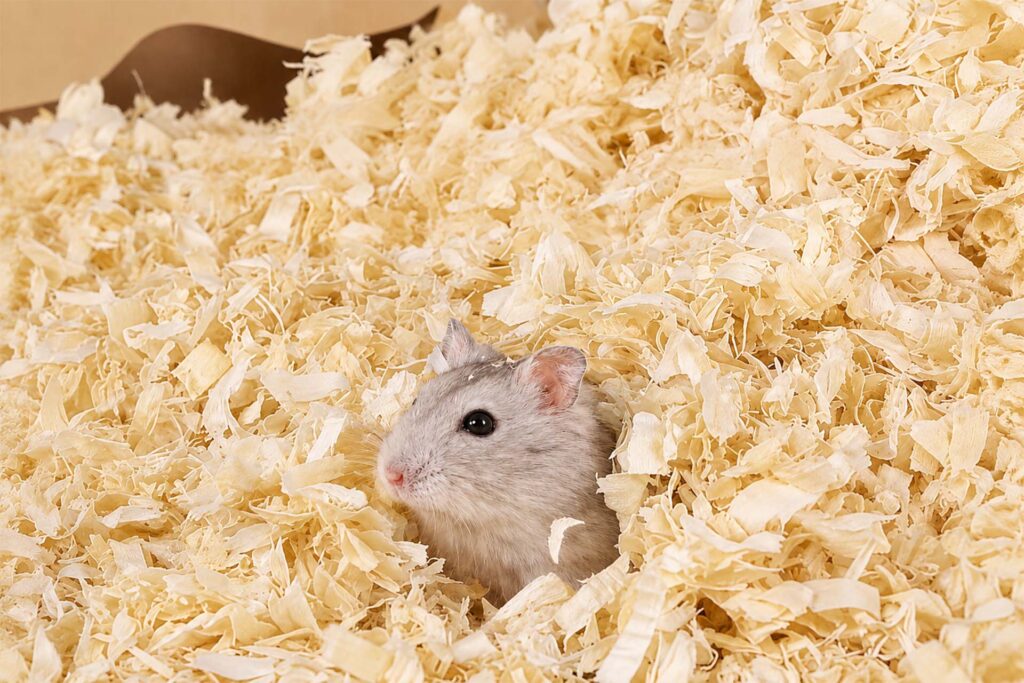
- نشارة خشب الأسبن هي الركيزة المثالية – فهي ناعمة، ودقيقة، وعديمة الرائحة، وقليلة الغبار، وآمنة للشنشيلات ذات البشرة الحساسة والهامستر الذهبي الصغير.
- تُضفي نشارة الصنوبر قدرة امتصاص أقوى وقدرة أكبر على احتجاز الروائح؛ بينما تعمل عملية إزالة الزيوت عند درجات حرارة عالية على التخلص من الزيوت المتطايرة المهيجة.
- تتطلب الادعاءات المتعلقة بـ«خلو المنتج من الغبار» و«انخفاض مستوى الغبار» نتائج اختبار محددة؛ حيث يُعد المسحوق الناعم وحطام الخشب المختلط من المخاطر الرئيسية على السلامة.
- ضع طبقة بسماكة 2-3 سم للأقفاص الفردية، و3-4 سم للأقفاص المخصصة للتكاثر، و1-2 سم للأقفاص المخصصة للنقل؛ قم بتنظيف البقع يوميًا، واستبدل الرمل بالكامل كل 7-10 أيام، وقم بالتطهير الشامل شهريًّا.
- تتطلب الادعاءات البيئية (مضاد للجراثيم طبيعي، آمن في حالة الابتلاع) أدلة خاصة بالمنتج وصياغة ملائمة لسوق الهدف.
لماذا تحتاج الحيوانات الأليفة الصغيرة إلى دليل خاص بفراش نشارة الخشب المصمم بعناية
بالمقارنة مع سوق القطط والكلاب الناضجة، تعتمد الحيوانات الأليفة الصغيرة — مثل الهامستر، والهامستر الذهبي، والشنشيلة، والخنازير الغينية، والأرانب ذات الأذنين المتدلية — على مناخ محلي داخل القفص يُدار بعناية. فهي صغيرة الحجم، وسريعة الأيض، وذات بشرة وجهاز تنفسي شديد الحساسية، ولديها غرائز فطرية للحفر وبناء الأعشاش والاختباء. ولذلك، فإن فرش القفص ليس مجرد مادة استهلاكية بسيطة: فهو يحدد بشكل مباشر مستوى الراحة وصحة الجلد والحالة العاطفية. ومن بين خيارات فرش القفص، مثل الوبر الورقي، وحبيبات الخشب، وقشور الذرة، والوسادات الماصة، فإن الخيارات الطبيعية فراش من نشارة الخشب أصبحت هذه المادة الركيزة الأساسية الشائعة الاستخدام — والخيار الأول على المدى الطويل للمربين ذوي الخبرة — بفضل مكوناتها الطبيعية، وقدرتها العالية على الامتصاص، ودفئها الذي يسمح بمرور الهواء، وبنيتها التي تتناسب مع سلوك الحيوانات.
تتجلى عيوب اختيار الفراش في ظهور حكة جلدية، والتهابات فطرية، ورائحة كريهة في القفص، وتنتف الريش بسبب الإجهاد، وبراز رخو ورطب. وتعزى معظم هذه المشاكل إلى الاختيار الخاطئ للفراش، أو وضعه بشكل غير صحيح، أو عدم ملاءمته للظروف المحيطة – وليس سوء التعامل. يجمع هذا الدليل بين المعرفة العلمية التي يحتاجها الموزعون للبيع بشكل صحيح، والمعايير التي يجب على المشتري التحقق منها للحصول على منتج عالي الجودة. وهو مورد تعليمي يجمع بين نظرة عامة للمشتري ونصائح عملية لرعاية الحيوانات الأليفة الصغيرة.
أطر رعاية الثدييات الصغيرة مثل إرشادات الرعاية الصادرة عن FEDIAF تسليط الضوء على الحساسيات التنفسية والجلدية التي تجعل اختيار الركيزة قرارًا متعلقًا بالرعاية، وليس مجرد بند في التكلفة.
الفئة المستهدفة من هذا الدليل:
- تقوم شركات البيع بالجملة والموزعون بإضافة خط إنتاج لمستلزمات نوم الحيوانات الأليفة الصغيرة.
- متاجر التجزئة التي تقدم خدماتها لمالكي الهامستر والشنشيلة والخنازير الغينية والأرانب.
- بائعو التجارة الإلكترونية الذين ينشرون ادعاءات بأن منتجاتهم خالية من الغبار ومصنوعة من مواد آمنة.
- مشترون من مرافق التربية يشترون بكميات كبيرة.
- العلامات التجارية الخاصة التي تخطط لإطلاق منتج من فئة «مستلزمات النوم».
مقارنة بين فرشات نشارة الخشب: خشب الأسبن مقابل خشب الصنوبر والركائز الأخرى
استخدم خريطة الركيزة هذه لمطابقة المواد مع أنواع الحيوانات والموسم وكثافة الحيوانات في القفص قبل شراء أو التوصية بأي رمز منتج (SKU).
| الركيزة | الامتصاص | مستوى الغبار | الأفضل لـ | أمور يجب الانتباه إليها |
| نشارة خشب الأسبن (فراش من نشارة الخشب) | عالي | منخفض جداً | جميع الأنواع؛ الحيوانات الأليفة الحساسة والصغيرة | التأكد من إتمام عملية التعقيم وإزالة الزيت |
| نشارة الصنوبر (فراش من نشارة الخشب) | مرتفع جداً | منخفض (في حالة إزالة الزيت) | الحيوانات الأليفة التي تنتج كميات كبيرة من الفضلات؛ المواسم الرطبة | يجب أن يكون خالياً من الزيوت في درجات الحرارة العالية |
| زغب الورق | منخفض إلى متوسط | قليل | طبقة عازلة للحرارة | يمتص الرطوبة بسرعة، يتعفن، ويكون الجو خانقًا في الصيف |
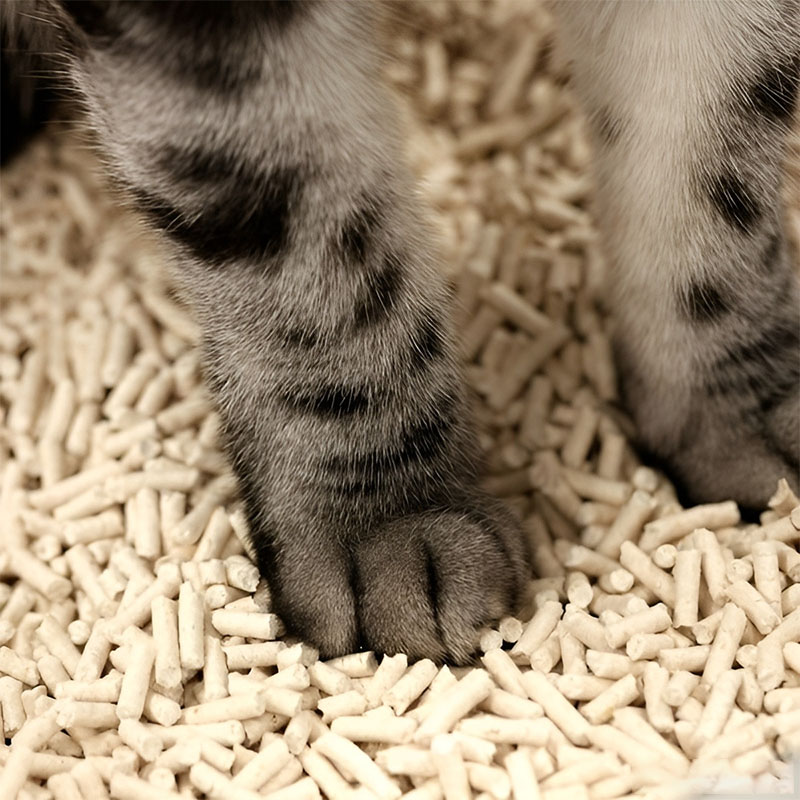
| حبيبات الخشب | عالي | قليل | منطقة مخصصة لرمي القمامة | صعب؛ يتعارض مع غريزة الحفر |
| قطعة ذرة | متوسط | منخفض إلى متوسط | الاستخدام العرضي | خطر بيض الحشرات؛ ضعف امتصاص الروائح |
| الفوط الماصة | مرتفع (محلي) | لا شيء | النقل / مؤقت | ممنوع الحفر أو الاختباء؛ قد يتسبب ذلك في إجهاد إذا استمر لفترة طويلة |
للاطلاع على القاعدة العالمية منخفضة الغبار، انظر نشارة خشب الأسبن للحيوانات الأليفة الصغيرة صفحة المنتج للاطلاع على مواصفات المواد وشهادات الدُفعات.
لماذا تحتاج الحيوانات الأليفة الصغيرة إلى فراش متخصص من نشارة الخشب
علم وظائف الأعضاء لدى الحيوانات الأليفة الصغيرة ومنطق المواد
تشترك الحيوانات الأليفة الصغيرة في مجموعة مشتركة من نقاط الضعف الفسيولوجية: جلد رقيق يفتقر إلى حماية الفراء الكثيف؛ والتلامس المطول مع الأرض الذي يعرضها للرطوبة والبكتيريا والغبار؛ وجهاز تنفسي حساس يتفاعل حتى مع أدنى قدر من الغبار أو الروائح أو الإضافات الكيميائية؛ عملية استقلاب سريعة مصحوبة بتبول وتغوط متكررين، مما يزيد من الرطوبة داخل القفص؛ وطبيعة خجولة تعتمد على بيئات مغلقة وناعمة وقابلة للحفر من أجل الشعور بالأمان. ولذلك، يجب أن تجمع الفراش بين الامتصاص، وانخفاض الغبار، والمواد الناعمة، وقابلية الحفر، وسهولة التنظيف – وهي متطلبات لا تستطيع الركائز العادية تلبية جميعها.
الاختلافات في الركائز: الورق، الحبيبات، قشور الذرة، الفوط
- الورق المنفوش: دافئ لكنه يمتص الرطوبة بسرعة، ويتكتل ويتعفن عند الرطوبة، ويشعر المرء بالاختناق فيه في الصيف.
- حبيبات الخشب: صلبة، ولا يمكن الحفر فيها، مما يتعارض مع غريزة الحفر.
- قطعة ذرة: عرضة لبيض الحشرات، وقدرة ضعيفة على امتصاص الروائح، وتراكم سريع للروائح.
- الفوط الماصة التي تُستخدم لمرة واحدة: مريحة ولكنها لا تلبي حاجة الحيوانات إلى الحفر والإخفاء؛ وقد يؤدي استخدامها على المدى الطويل إلى إجهادها وإصابة شخصيتها بالخمول.
على النقيض من ذلك، يستخدم فراش نشارة الخشب الطبيعي بنية ألياف الخشب الخام: فهو رقيق، ويسمح بمرور الهواء، وسريع الامتصاص، وقابل للتشكيل ليسمح بالحفر وبناء الأعشاش، مع الحد من مخاطر الفطريات والبكتيريا من مصدرها. كما أن التجفيف بدرجات حرارة عالية، وإزالة الغبار بطريقة معقمة، وخلوها من الأصباغ الكيميائية والعطور الصناعية والمواد اللاصقة، تجعلها لطيفة على البشرة والجهاز التنفسي؛ وتتم عملية التمثيل الغذائي لكمية صغيرة منها في حالة الابتلاع العرضي بشكل طبيعي – وهو ادعاء يتعلق بالسلامة يجب التأكد منه من خلال وثائق المنتج.
ثلاث مزايا أساسية لفراش نشارة الخشب
- التحكم في الرطوبة: تمتص ألياف الخشب الخام الرطوبة الزائدة بسرعة مع الحفاظ على مسام تسمح بمرور الهواء، مما يمنع حدوث الرطوبة والحرارة الخانقة.
- الدعم العاطفي: توفر البيئة المريحة والقابلة للتعشيش الراحة وتخفف من التوتر والقلق والخجل.
- الكفاءة من حيث التكلفة: تستمر الطبقة الواحدة لفترة طويلة دون الحاجة إلى استبدالها بشكل متكرر، مع انخفاض معدل فقدان المواد المستهلكة بشكل كبير مقارنةً بزغب الورق – وهو ما يمثل ميزة كبيرة لمربي الحيوانات ومرافق التربية.
إرشادات الرعاية الاجتماعية الصادرة عن نصائح جمعية RSPCA بشأن الحيوانات الأليفة الصغيرة ويؤكد أن التغذية المتنوعة والركيزة الآمنة هما عنصران أساسيان لرفاهية الثدييات الصغيرة، وليسا مجرد إضافات اختيارية.
خطط التمديد القائمة على السيناريوهات
الرعاية المنزلية في قفص فردي
السيناريو الأكثر شيوعًا – الحيوانات الأليفة الفردية مثل الهامستر، والهامستر الذهبي، والأرانب القزمة، والشنشيلة – يركز على الجفاف، والتهوية، والراحة النفسية. انثر طبقة متساوية بسمك 2-3 سم على أرضية القفص لعزلها عن الشبكة المعدنية أو القاعدة البلاستيكية، وتجنب تآكل الكفوف والبرد، ودعم الحفر الطبيعي. قم بتنظيف البقع الرطبة ومناطق الفضلات يوميًا دون استبدال الرفوف بالكامل؛ وقم بتغيير الرفوف بالكامل أسبوعيًا مع تطهير القفص. في الشتاء، أضف مادة أكثر سمكًا قليلاً مع القليل من زغب الورق؛ وفي الصيف، ضع طبقة أرق لتوفير التهوية.
سيناريوهات التربية والكثافة العالية
تؤدي أقفاص الحيوانات الأليفة متعددة الحيوانات وعالية الكثافة إلى ارتفاع معدل تكوّن الفضلات وزيادة الرطوبة بسرعة، مما يزيد من خطر الإصابة بالفطريات وأمراض الجلد الجماعية. استخدم نشارة خشب الصنوبر المزالة الزيوت لزيادة امتصاص الرطوبة، والحد من الروائح، وللتأثير المضاد للبكتيريا، مع وضعها بسمك 3-4 سم لتحقيق امتصاص متعدد الطبقات لمنع وصول البول إلى القاعدة وإطالة فترة الاستبدال. يُشار إلى أن الخصائص المضادة للبكتيريا الطبيعية تقلل من احتمالية الإصابة بأمراض الجلد الجماعية – تأكد من صحة الادعاءات المتعلقة بخصائص المنتج المضادة للبكتيريا من خلال الأدلة قبل النشر.
النقل والسكن المؤقت
أثناء النقل عبر شركات البريد السريع، والنقل داخل المدينة نفسها، وتدوير المخزون بين المتاجر، تكون صناديق النقل صغيرة الحجم، وسيئة التهوية، وتتعرض للصدمات، مما يتسبب في الإجهاد والرطوبة وتراكم النفايات. ويوفر وضع طبقة من النشارة الناعمة بسمك 1-2 سم توسيدًا، ويمتص البول والرطوبة، ويحد من الروائح الكريهة – وهو أكثر ثباتًا وأقل عرضة للتشابك مقارنةً بفتات الورق.
الشرفات والمساحات المفتوحة
تتميز التصاميم المفتوحة وشبه المفتوحة بتهوية جيدة، لكنها تتسم بتقلبات كبيرة في درجات الحرارة بين النهار والليل، ودخول الغبار، والبرودة الليلية. وتساعد البنية الرقيقة والدافئة لنشارة الخشب على التخفيف من حدة التقلبات في درجات الحرارة، والعزل عن برودة الأرضية، ومنع دخول الغبار الخارجي، مما يخلق بيئة محلية مستقرة.
العناية الموسمية والتخزين
الرطوبة في فصلي الربيع والصيف
في فصلي الأمطار الجنوبية الموسمية وأمطار البرقوق، تُعد الرطوبة العامل الرئيسي المسبب للأمراض الجلدية والالتهابات الفطرية. استخدم نشارة الصنوبر منزوعة الزيت لامتصاص الرطوبة وللتأثير المضاد للبكتيريا وطارد الآفات؛ وافردها بطبقة أرق لتسهيل التهوية؛ وقم بتنظيف البقع يوميًا؛ واستبدل القفص بالكامل أسبوعيًا؛ وخزّن الأكياس غير المفتوحة محكمة الإغلاق ومرفوعة عن الأرض لتجنب الامتصاص المسبق.
دفء الخريف والشتاء
يُعد فصلا الخريف والشتاء، اللذان يتسمان بالجفاف والتهوية الجيدة، أفضل المواسم لاستخدام نشارة الخشب. استخدم نشارة خشب الحور الرقيقة عديمة الرائحة، وافردها بسمك أكبر للحفر العميق وبناء الأعشاش في الشتاء؛ حيث تشكل الطبقة الرقيقة عازلًا طبيعيًا ضد التقلبات الحرارية بين النهار والليل، وتمنع الإسهال الناجم عن البرد. وفي الأماكن الداخلية المدفأة في المناطق الشمالية، يمنع الهواء الجاف الرطوبة، ويمكن إطالة دورة استبدال النشارة.
منطق الإقران والتنظيف
تركيبات الاقتران الذكية
- التركيبة اليومية الأساسية: نشارة الخشب مع القليل من الحبيبات المُعادلة للروائح – حيث تعمل النشارة على امتصاص الروائح وتسهيل عملية الحفر، بينما تعمل الحبيبات على موازنة الروائح، مما يسهل الأمر على مربي الحيوانات الذين يفضلون صيانة أقل.
- تركيبة دافئة لفصل الشتاء: طبقة سفلية من نشارة الخشب مع طبقة علوية من الوبر الورقي – حيث تحافظ النشارة على الرطوبة وتسمح بمرور الهواء، بينما يوفر الوبر العزل الحراري.
- تركيبة امتصاص الرطوبة لفصلي الربيع والصيف: رقائق رقيقة مع رمل ماص للبول مخصص لمساحة محددة – ما يضمن امتصاصًا سريعًا للرطوبة وإزالة الروائح في منطقة المرحاض المخصصة، وتجنب انتشار الرطوبة على مساحة واسعة.
وتيرة التنظيف
المبدأ الأساسي هو التنظيف الموضعي المتكرر، والاستبدال الكامل في الموعد المحدد، وتطهير القفص. يوميًا: إزالة الكتل الرطبة والبراز، وإضافة مادة جديدة. كل 7-10 أيام: إفراغ جميع الفراش، ومسح القاعدة والزوايا وتطهيرها، وتجفيفها تمامًا، ثم إعادة وضع الفراش. شهريًّا: إجراء تطهير عميق لإزالة البكتيريا غير المرئية وبقايا الفطريات، مما يمنع مشاكل الجلد والجهاز التنفسي من جذورها.
التحقق من المشتري والأخطاء الشائعة
ما الذي يجب التحقق منه عند شراء فرشة نوم من نشارة الخشب
- مصدر الخشب وإقرار المواد: خشب الحور الرجراج أو الصنوبر، ولا يحتوي على بقايا خشب معاد تدويره أو خشب مختلط.
- العملية: إزالة الزيت بدرجات حرارة عالية، والتجفيف المعقم، وإزالة الغبار على عدة مراحل.
- اختبار الغبار: الطريقة، والنتيجة، ونطاق الدفعة فيما يتعلق بادعاء خلو المنتج من الغبار.
- الادعاءات المتعلقة بخصائص مقاومة البكتيريا والسلامة في حالة الابتلاع: الأدلة الخاصة بكل منتج والصياغة المستهدفة.
- التعبئة والتخزين: مغلق بإحكام، محمي من الرطوبة، مع إرشادات تخزين بارزة للمسارات التي تتسم بالرطوبة.
- الإعلانات التجارية: الحد الأدنى لكمية الطلب، ومدة التسليم، وسياسة العينات، ومراقبة التغييرات، كل ذلك يجب أن يكون مكتوبًا.
الأخطاء التي يجب تجنبها
- استخدام نشارة خشبية خام غير منزوعة الزيت: تحتوي على زيوت طيارة مهيجة، وذات رائحة نفاذة، وتشكل خطرًا بسبب الرطوبة والعفن – غير مناسبة للحيوانات الأليفة.
- شراء مواد مغبرة وتحتوي على الكثير من الحطام: فالمسحوق الناعم ونشارة الخشب المختلطة تتسببان في الاختناق، وتلوث الفراء بالغبار، وتشكلان خطرًا على الأمعاء في حالة ابتلاعهما.
- عدم استبدالها أبدًا أو زيادة سماكتها بشكل مفرط: حيث يتجاوز البول والرطوبة المتراكمة حد الامتصاص، مما يؤدي إلى تكاثر البكتيريا والعفن اللذين يتسببان في احمرار الجلد وتساقط الشعر والإصابة بالأمراض.
بالنسبة لبرامج العلامات التجارية الخاصة وبرامج الكميات الكبيرة، يرجى مراجعة مصنع عائشة المتخصص في تصنيع المعدات الأصلية (OEM) وتصنيع التصميمات الأصلية (ODM) القدرات – يجب التأكيد كتابةً على الحد الأدنى لكمية الطلب (MOQ)، ومدة التسليم، وسياسة العينات، ومراقبة التغييرات قبل الشراء.
العناية والتخزين وإعادة الطلب
قم بتخزين نشارة الخشب المعبأة في عبوات محكمة الإغلاق في مكان نظيف وجاف وجيد التهوية، واتبع مبدأ «أول ما يدخل أول ما يخرج» (FIFO). المنتجات الخشبية حساسة للرطوبة؛ لذا تحقق من سلامة الأختام وحالة المنصات عند الاستلام. احتفظ بملف منظم لكل رمز SKU: المواصفات، وأدلة الغبار والرطوبة، والتصميمات الفنية، وعروض الأسعار، وقائمة التعبئة، وسجلات الشحن، وصور الاستلام. أعد الطلب وفقًا للنسخة المعتمدة؛ واطلب عينة جديدة للموافقة عليها في حالة حدوث أي تغيير في مصدر الخشب، أو بنية الرقائق، أو التعبئة، أو العملية.
الأسئلة الشائعة
إجابات عملية حول استخدام نشارة الخشب كفراش للمشترين وتجار التجزئة ومربي الحيوانات الأليفة الصغيرة.
ما هي الفراش المصنوع من نشارة الخشب؟
تُعد فرشة نشارة الخشب ركيزة طبيعية للحيوانات الأليفة الصغيرة، تُصنع من خشب الحور الرجراج أو الصنوبر، وتخضع لعمليات التعقيم وإزالة الزيوت وإزالة الغبار. وهي تمتص الرطوبة، وتساعد الحيوانات على حفر الجحور وبناء الأعشاش، وتناسب معظم أنواع الحيوانات الأليفة الصغيرة بدءًا من الهامستر وصولاً إلى خنازير غينيا.
أيهما أفضل: الفراش المصنوع من نشارة خشب الحور أم نشارة خشب الصنوبر؟
نشارة خشب الأسبن هي الركيزة الشاملة الخالية من الرائحة وقليلة الغبار المناسبة لجميع أنواع الحيوانات الأليفة، بما في ذلك الشينشيلات الحساسة والحيوانات الأليفة الصغيرة. أما نشارة خشب الصنوبر فتتميز بقدرة امتصاص أقوى واحتفاظ أفضل بالرائحة، بالإضافة إلى رائحتها الطبيعية، مما يجعلها مناسبة للحيوانات الأليفة التي تنتج كمية كبيرة من الفضلات وللمواسم الرطبة. اختر النوع المناسب حسب نوع الحيوان والموسم.
هل فرشة نشارة الخشب خالية من الغبار؟
يُصنف فراش نشارة الخشب المعالجة عالية الجودة على أنه منخفض الغبار للغاية، ولكن يجب أن يكون هذا الادعاء مدعومًا باختبار غبار محدد — يشمل الطريقة والنتائج ونطاق الدفعة. ويُعد المسحوق الناعم وشظايا الخشب المختلطة من المخاطر الرئيسية على السلامة، لذا تأكد من وجود أدلة الاختبار الخاصة بالمنتج الذي تحتفظ به في مخزونك أو تبيعه.
كم مرة يجب تغيير فرشة نشارة الخشب؟
قم بتنظيف البقع الرطبة والفضلات يوميًا، واستبدل الفراش بالكامل كل 7-10 أيام، وقم بتطهير القفص تطهيرًا عميقًا شهريًّا. اضبط وتيرة هذه الإجراءات وفقًا للأنواع والرطوبة وتهوية القفص؛ حيث تتطلب أقفاص التربية عالية الكثافة تغييرات أكثر تواترًا.
هل يمكن استخدام نشارة الخشب كفراش أثناء النقل؟
نعم. إن طبقة من نشارة الخشب الناعمة بسمك 1-2 سم في صندوق النقل تعمل على تخفيف الصدمات، وامتصاص البول والرطوبة، والحد من الروائح الكريهة — وهي أكثر ثباتًا وأقل عرضة للتشابك مقارنةً بقطع الورق الرقيقة أثناء النقل عبر شركات الشحن أو أثناء تدوير المخزون.
هل نشارة خشب الصنوبر آمنة للحيوانات الأليفة الصغيرة؟
ولا يتم ذلك إلا بعد إزالة الزيوت المتطايرة المهيجة عن طريق عملية إزالة الزيوت عند درجة حرارة عالية. فقد يتسبب خشب الصنوبر الخام الذي لم تتم إزالة الزيوت منه في جذب الرطوبة والعفن وتهيج الجهاز التنفسي. لذا، تأكد دائمًا من عملية إزالة الزيوت واطلع على الوثائق الخاصة بالمواد المستخدمة في منتج فرشات نوم رقائق الخشب الذي اخترته.
هل توفر شركة «آيشا» فراشًا من نشارة الخشب للحيوانات الأليفة الصغيرة؟
تقدم شركة «آيشا» منتجات للحيوانات الأليفة الصغيرة ومستلزمات الرعاية، بما في ذلك خط إنتاج مخصص لنشارة الخشب ونشارة شجر الأسبن، مع توفير دعم خدمات التصنيع حسب الطلب (OEM) وتصميم وتصنيع حسب الطلب (ODM) على صفحاتها العامة. يرجى التأكد من توفر مواد الفراش الحالية ومواصفاتها والشروط التجارية الخاصة بالمشروع الذي اخترته.
 Arabic
  English
  Spanish
  Russian
  Japanese