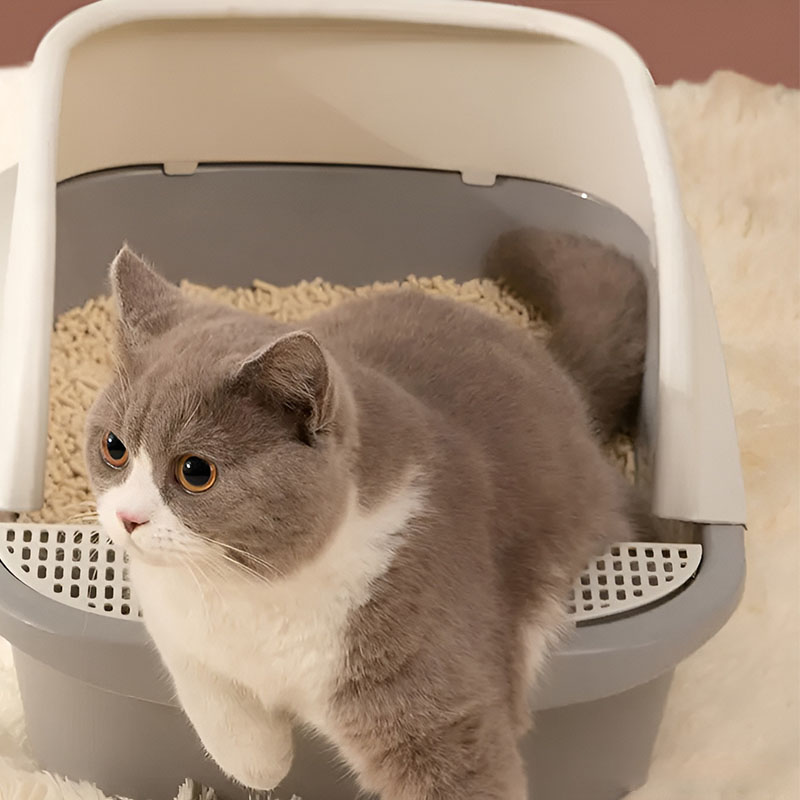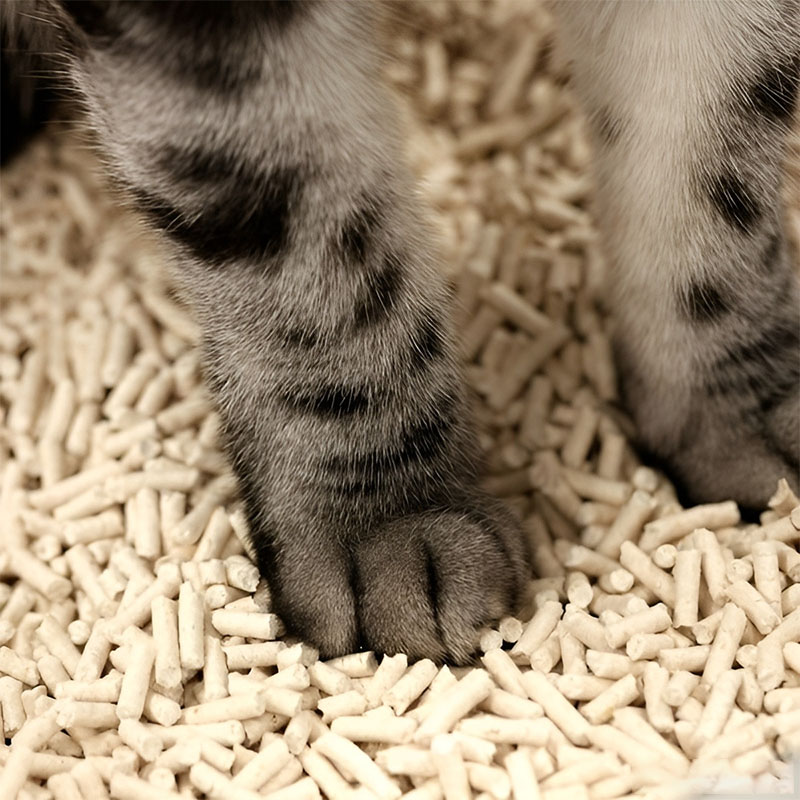
Поддержание чистоты в доме и счастливой кошки начинается с освоения основ гигиены. Понимание того, как эффективно чистить туалет, - это не просто устранение запаха, это жизненно важная часть проактивной заботы о здоровье питомца. Независимо от того, являетесь ли вы новым владельцем или ведете напряженное хозяйство, состоящее из нескольких кошек, установление последовательного распорядка гарантирует, что ваши кошки будут чувствовать себя в безопасности, а ваше жилое пространство останется санитарным.
Важность уборки туалета
Кошачий туалет - это необходимое место для облегчения туалета. Своевременная и правильная уборка позволяет поддерживать свежесть в доме и защищает мочевыделительную систему, пищеварительный тракт и психическое здоровье кошки. Чистый туалет уменьшает такие проблемы, как задержка мочи, неуместное мочеиспускание и ненормальное копание, а также снижает риск появления плесени, размножения бактерий и распространения запаха. Он подходит для котят, взрослых кошек, пожилых кошек и семей с несколькими кошками.
Основные принципы уборки туалета
1. Оперативно удаляйте отходы, чтобы предотвратить появление неприятных запахов
Убирайте фекалии и скопившуюся мочу сразу после того, как кошка воспользовалась коробкой, чтобы запах не проникал в подстилку, клетку и мебель. Это уменьшает количество раздражающего аммиака и защищает дыхательные пути как вас, так и вашей кошки.
2. Храните в сухом месте, чтобы бороться с бактериями
Во влажном помете размножаются бактерии и грибки, которые могут вызвать дерматит лап и инфекции мочевыводящих путей. Отсеивайте все влажные комки, чтобы подстилка оставалась рыхлой и сухой.
3. Используйте достаточное количество подстилки для комфорта
Слишком малое количество подстилки затрудняет копание и приводит к прилипанию отходов к коробке. Правильная глубина способствует образованию комков, что облегчает уборку.
4. Регулярная полная замена и глубокая очистка
Сам по себе отсев не может удалить скрытые бактерии и запахи. Регулярно меняйте подстилку и дезинфицируйте ящик, чтобы предотвратить возвращение запахов.
5. Подстройтесь под кошку
Котята, пожилые люди и кошки с чувствительными мочевыми путями нуждаются в более частой уборке. В домах с несколькими кошками следует придерживаться правила "количество кошек + 1" для туалетов.
6. Проверьте отходы на наличие проблем со здоровьем
Во время уборки обратите внимание на форму стула, цвет мочи и ее количество. Ранние признаки поноса, кровь или ненормальные комки помогут выявить проблемы со здоровьем на ранней стадии.
Практические советы по уборке
1. Ежедневный вывоз мусора: 2 раза в день
Убирайте один раз утром и один раз вечером. С помощью совочка для мусора аккуратно просеивайте фекалии и комки мочи. После этого разгладьте наполнитель. Одиночным кошкам требуется как минимум 2 уборки в день, а многодетным - больше.
2. Прилипший мусор: размачивание и мягкая чистка
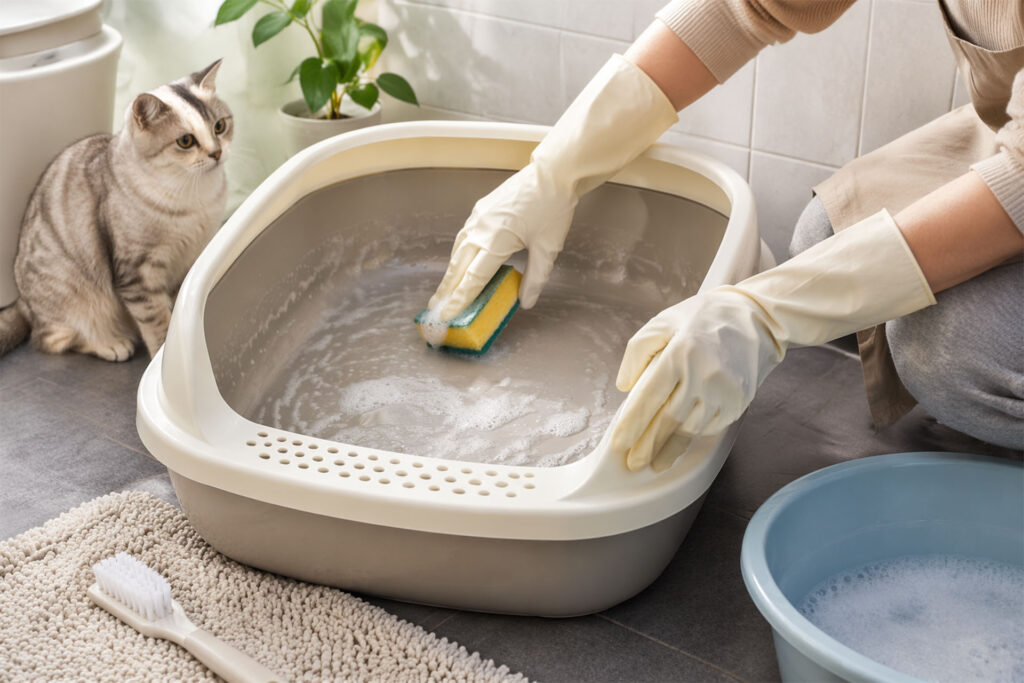
Если помет прилип к коробке, выкиньте остатки, замочите коробку в теплой (около 40°C) воде на 10 минут, а затем протрите мягкой щеткой. Не используйте стальную вату - царапины задерживают грязь и микробы.
3. Подкормка: соблюдайте правильную глубину
После уборки добавьте свежий наполнитель. Обычный наполнитель: 5-8 см в глубину. Тофу или смешанный помет: 4-6 см. Частично заменяйте грязный помет 2-3 раза в неделю, чтобы избежать отходов.
4. Полная очистка коробки: каждые 7-10 дней
Шаги: выбросьте старый наполнитель → промойте теплой водой → замочите в безопасном для животных дезинфицирующем средстве на 5-10 минут → хорошо промойте → полностью высушите на воздухе → добавьте новый наполнитель. Не используйте дезинфицирующее средство 84 или спирт для растирания - они могут отравить кошку, если ее лизнуть.
5. Контроль запаха: натуральный и безопасный
После высыхания посыпьте немного дезодорирующего средства для животных или положите рядом с коробкой активированный уголь/пекарскую соду. Не распыляйте духи или освежитель воздуха - сильные запахи заставляют кошек избегать коробки.
6. Размещение: вдали от пищи и воды
Поставьте коробку в тихое, неяркое, хорошо проветриваемое место - подальше от еды, воды и кроватей. Держите ее подальше от влажного пола, чтобы предотвратить появление плесени.
Различия в уборке в зависимости от типа помета
1. Помет из тофу: быстро комкуется, легко смывается. Просеивайте ежедневно; запечатывайте, чтобы сохранить сухость. Полная замена каждые ~7 дней.
2. Бентонитовая подстилка: приятный на ощупь, плотные комки, пыльный. Выгребайте аккуратно; используйте подстилку для туалета. Полная замена каждые ~10 дней.
3. Смешанный мусор: сочетает в себе тофу + бентонит. Чистый, как подстилка из тофу; меньше пыли, долговечнее. Полная замена каждые 8-10 дней.
4. Кристаллический помет: впитывает влагу и меняет цвет. Не просеивать - заменять полностью, когда он полностью окрасится. Еженедельно выгребайте фекалии с поверхности. Хорошо подходит для занятых владельцев.
Часто задаваемые вопросы
Моя кошка отказывается от туалета - он нечистый?
Очень вероятно. Частыми причинами являются сильный запах, грязь или слишком мало подстилки. Другие причины: неправильный тип подстилки, неудачное расположение, жара или болезнь. Сначала чаще убирайте, а затем проверьте другие проблемы.
Можно ли использовать посудное мыло для чистки туалета?
Yes, if plain water doesn’t remove grease or odors. Use a small amount of pet-safe dish soap, rinse completely, and air dry fully. Residue irritates paws and stomachs.
Сколько туалетов для нескольких кошек?
Follow number of cats + 1. For 2 cats, use 3 boxes. Place them separately. Clean each 2–3 times daily; full change every 5–7 days.
Специальные советы для котят?
Для предотвращения поедания используйте наполнитель из тофу с низким содержанием пыли и медленным комкованием. Углубляйте подстилку на 3-4 см. Убирайте 1-2 раза в день; полная смена - каждые ~5 дней. Используйте бокс с низкими бортами для удобства входа.
Все еще пахнет сразу после уборки?
Проверьте, нет ли грязи в щелях ящика, влажного наполнителя или плесени под ящиком. Проведите полную глубокую чистку и замените подстилку. Убедитесь, что помещение проветривается; используйте безопасные дезодорирующие средства.
 Russian
  English
  Spanish
  Japanese
  Arabic