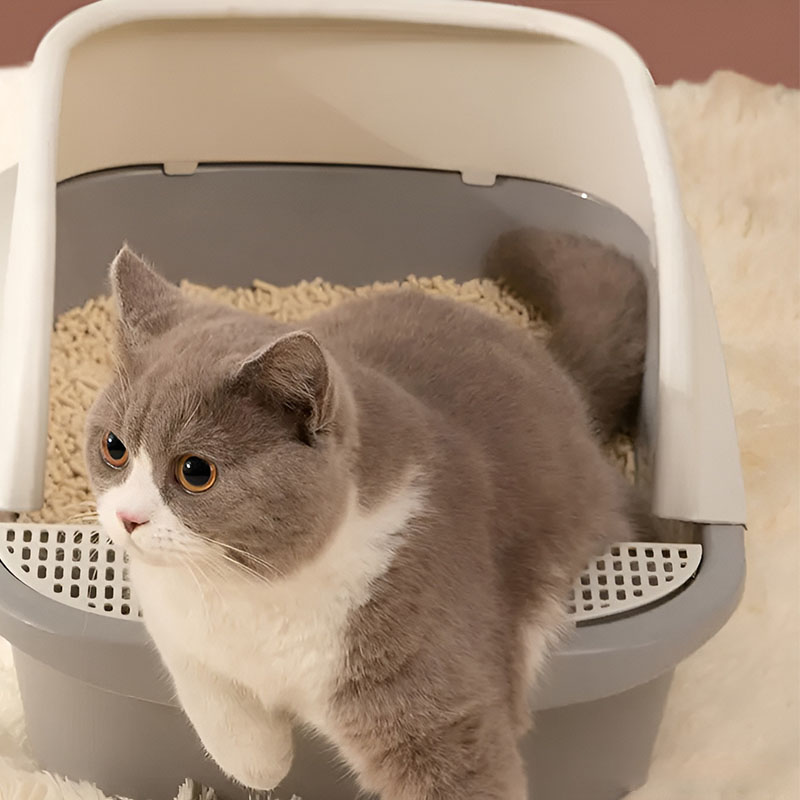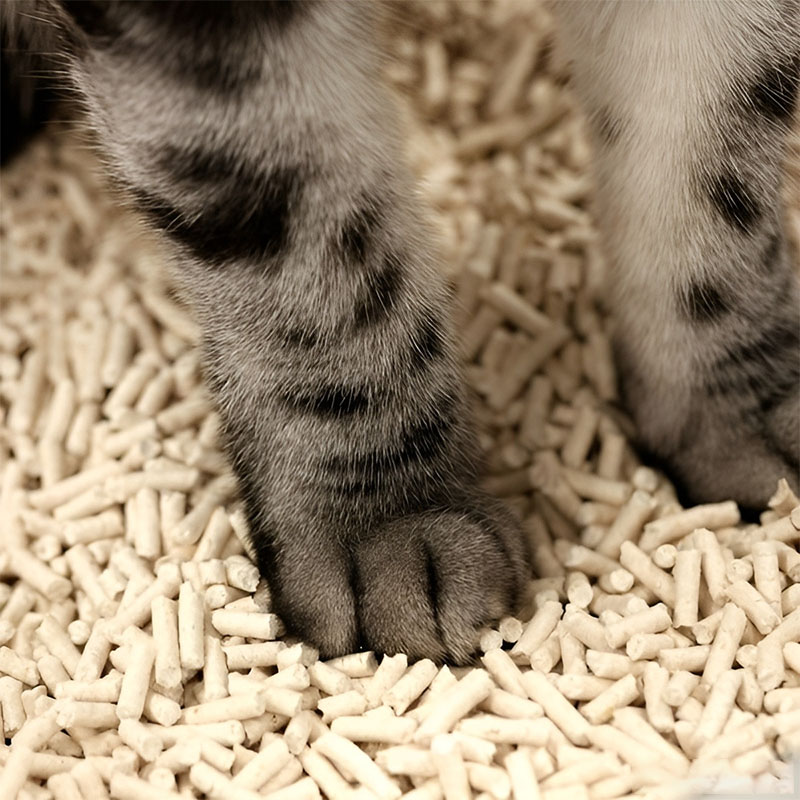
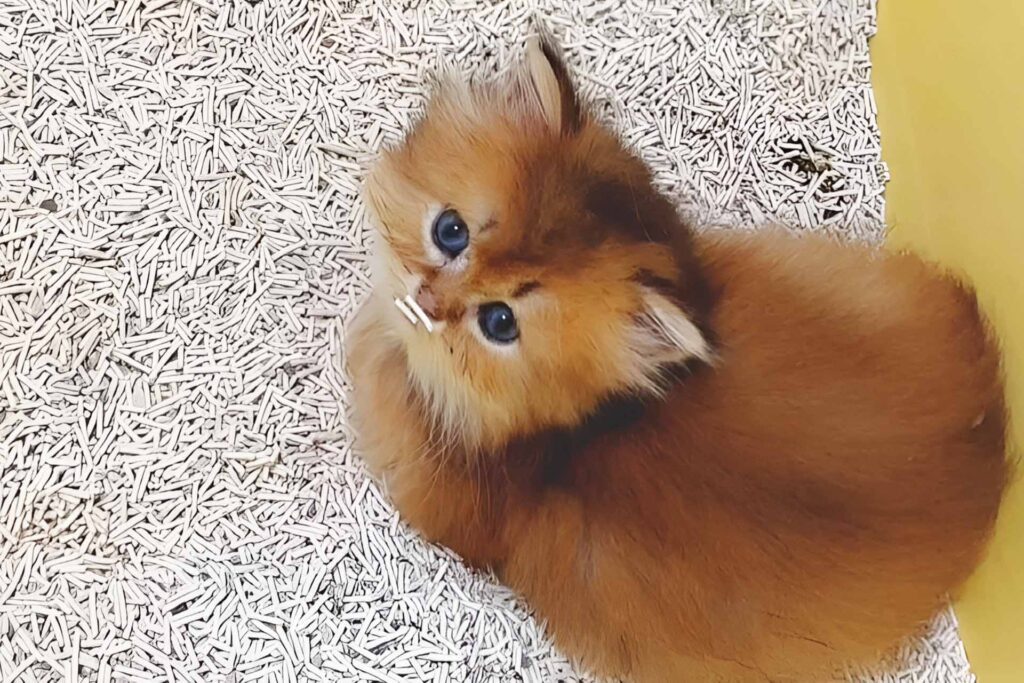
Наполнитель для кошачьего туалета специально разработан для хрупкого здоровья котят. Основное сырье - натуральные, безопасные ингредиенты, такие как волокно тофу, бентонит, просо и кукурузный крахмал. При производстве используется множество технологий, включая дробление, высокотемпературную стерилизацию, гипоаллергенную обработку и подавление пыли. Ключевыми характеристиками являются отсутствие раздражения, безопасность при проглатывании, низкое содержание пыли и сильная комкуемость. Высококачественный наполнитель для кошачьего туалета удаляет острые частицы и химические добавки, а также содержит мягкие дезодорирующие вещества. Не раздражает дыхательные пути и глаза котят, имеет мягкую текстуру, которая не застревает между когтями. Подходит для котят в возрасте 1-6 месяцев в период отъема, перехода и роста, обеспечивает безопасный туалет, соответствуя естественному поведению.
Основные физические характеристики помета котят
1. Мягкая текстура для нежных лап
Круглые, гладкие частицы с легкой, неабразивной текстурой предотвращают появление царапин и дискомфорта. Поддерживает приучение котят к туалету в первый раз, снижает сопротивление к туалету и помогает им быстро адаптироваться.
2. Сверхнизкое содержание пыли для здоровья дыхательных путей и глаз
Изготовленные по технологии беспыльного прессования, компактные частицы почти не ломаются и не образуют пыли. Это позволяет избежать раздражения дыхательных путей, дискомфорта в глазах, слезотечения и чихания у маленьких котят.
3. Быстрая комкование, легко чистить
Прочно сцепляется в течение 3 секунд после контакта с жидкостью, сохраняя форму, не крошась и не превращаясь в порошок. Он полностью обволакивает мочу и кал, не прилипает ко дну или бортам туалета и позволяет полностью удалить их для лучшей гигиены.
4. Безопасный и гипоаллергенный, безвредный при проглатывании
Изготовлен из натуральных растительных или минеральных источников без добавления ароматизаторов, консервантов и химических связующих. При случайном проглатывании во время груминга не расстраивается желудок, что снижает риск рвоты или диареи у чувствительных котят.
5. Мягкая дезодорация для свежего воздуха
Использует физическую адсорбцию для борьбы с аммиачными и фекальными запахами без сильных отдушек. Сохраняет свежесть в доме, защищая чувствительное обоняние котят и предотвращая избегание туалета.
6. Плотные комки, меньше слеживаются
Умеренный размер частиц уменьшает прилипание наполнителя к шерсти или лапам, сводя к минимуму его разбрасывание за пределами ящика и упрощая ежедневную уборку.
Как правильно использовать наполнитель для кошачьего туалета
1. Выберите по возрасту
- 1-3 месяца (отлучение от груди): Мелкозернистый наполнитель из тофу или проса для более мягкой текстуры
- 3-6 месяцев (растет): Комкующийся бентонит или смешанный наполнитель для лучшего комкования и контроля запаха
Избегайте крупного, грубого минерального помета.
2. Правильная глубина
Соблюдайте слой в 3-4 см. Слишком толстый слой приводит к отходам, слишком тонкий - к прилипанию и плохому покрытию.
3. Регулярная очистка
Выбрасывайте совок дважды в день (утром и вечером). Полностью заменяйте наполнитель раз в неделю. Во избежание проблем с мочеиспусканием вымойте коробку теплой водой и тщательно высушите перед наполнением.
4. Идеальное размещение
Поставьте туалет в тихом, затемненном месте, вдали от мисок с едой и водой. Обеспечьте вентиляцию, чтобы уменьшить запах и помочь котятам чувствовать себя в безопасности.
5. Постепенный переход
При смене помета смешайте старый и новый помет в соотношении: 7:3 → 5:5 → 2:8 в течение 5-7 дней, чтобы избежать стресса, неуместного мочеиспускания или отказа.
6. Позитивное обучение
Помещайте котят в туалет после еды и сна. Аккуратно сгребайте наполнитель, чтобы продемонстрировать, как он закапывается. Используйте терпение и положительное подкрепление; не ругайте и не наказывайте.
ЧАСТО ЗАДАВАЕМЫЕ ВОПРОСЫ
Могут ли котята использовать наполнитель для кошачьего туалета для взрослых?
Не рекомендуется. Взрослый наполнитель часто более грубый, пыльный и может содержать сильные ароматизаторы. Он может раздражать дыхательные пути котят, царапать лапы и представлять повышенный риск проглатывания. Используйте специальный гипоаллергенный наполнитель для котят с низким содержанием пыли.
Что делать, если котенок отказывается от туалета?
Проверьте текстуру, запах и чистоту подстилки. Перейдите на мелкий, мягкий наполнитель, поддерживайте чистоту в коробке, сохраняйте постоянное местоположение, уменьшите количество беспокойств и терпеливо обучайте питомца. Не приучайте насильно.
Нужно ли каждый день заменять подстилку?
Нет. Достаточно ежедневного зачерпывания; идеальным вариантом является полная замена раз в неделю. Слишком частая полная замена нарушает привычные запахи, вызывает стресс и увеличивает расходы.
Как предотвратить повсеместное слежение за мусором?
Используйте компактный наполнитель с низким уровнем слеживаемости, поднимите бортик туалета, положите коврик снаружи и уменьшите глубину помета.
На что обратить внимание в семьях с несколькими котятами?
Следуйте правилу “1 коробка на котенка + 1 дополнительная коробка”, чтобы избежать конкуренции. Чаще выгребайте мусор, следите за чистотой подстилки и регулярно проводите дезинфекцию, чтобы предотвратить перекрестное заражение.
Примечание: некоторые материалы могут быть сгенерированы искусственным интеллектом.
 Russian
  English
  Spanish
  Japanese
  Arabic